
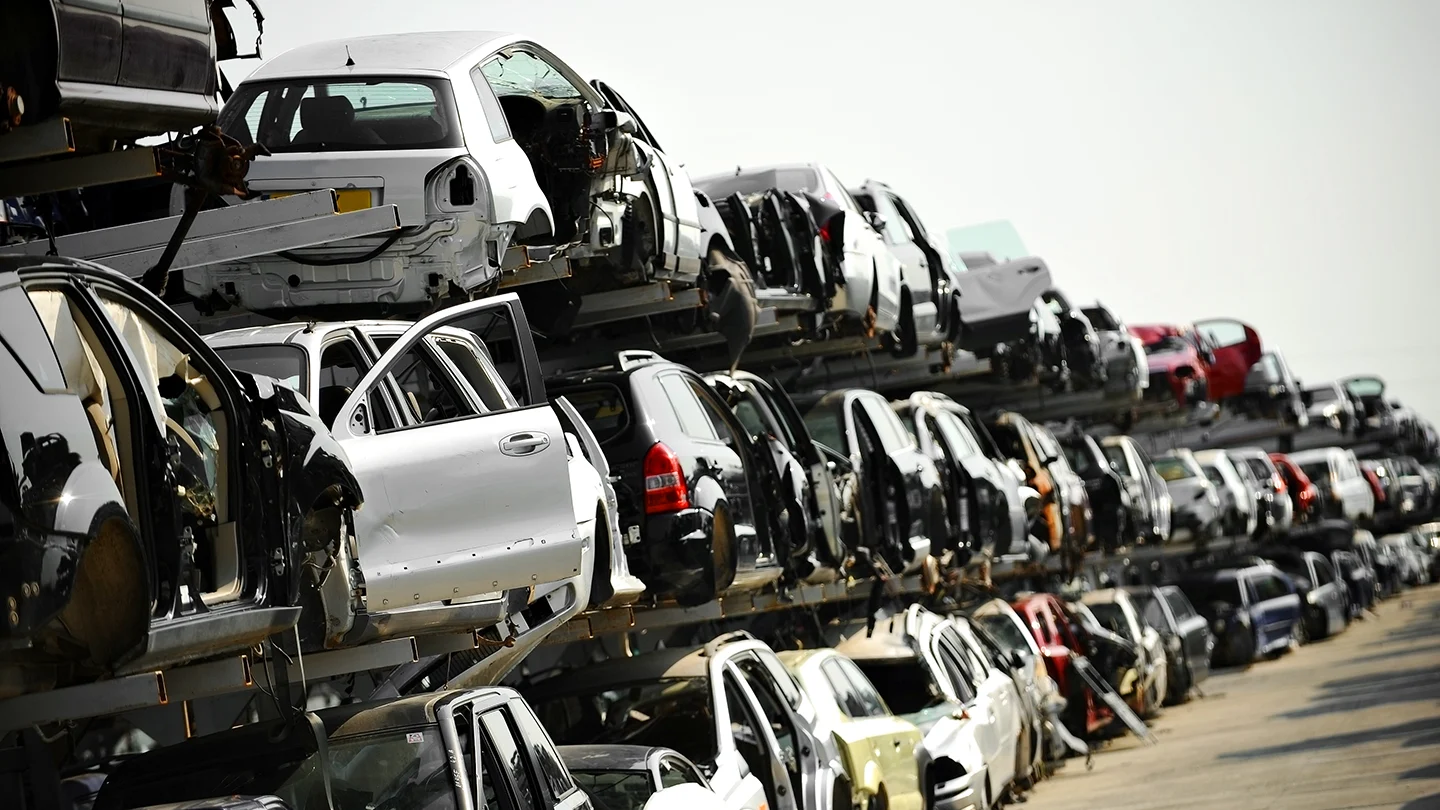
Scrap car dealers in Singapore operate within a pricing structure that combines government rebates, market forces, and systematic valuation methods to determine what your vehicle is worth at the end of its registered life. The quoted number emerges from specific calculations involving regulatory frameworks, commodity prices, and your vehicle’s particular circumstances. Understanding how these elements interact reveals the mechanics of an industry that processes thousands of vehicles annually whilst balancing commercial interests with public policy objectives.
The Anatomy of a Scrap Car Quote
When dealers in Singapore assess a vehicle destined for scrapping, they examine several distinct value components. Each element contributes to the final figure, and each operates according to its own logic and constraints.
The quote you receive represents the sum of multiple parts:
- Preferential Additional Registration Fee (PARF) rebate
- Certificate of Entitlement (COE) rebate
- Scrap metal and salvageable parts value
- Less dealer service fees and administrative costs
These components vary considerably depending on your vehicle’s age, condition, and timing of disposal. A car scrapped at nine years and eleven months yields a vastly different value than one scrapped at ten years and one month.
Decoding the PARF Rebate System
The PARF rebate forms the cornerstone of valuation for vehicles under ten years old. This government incentive was designed to encourage earlier vehicle disposal, thereby keeping the national fleet younger and theoretically cleaner. Singapore’s scrap car dealers calculate PARF rebates based on a sliding scale tied to the vehicle’s original Additional Registration Fee (ARF).
The mathematics works like this: vehicles scrapped before their tenth birthday receive a percentage of the ARF paid at registration. A car scrapped at seven years old receives a 50% rebate of its ARF. By nine years, this drops to 25%. Cross the ten-year threshold, and the PARF rebate vanishes entirely.
Industry veterans explain that “the PARF structure creates distinct cliffs in vehicle value, particularly around the ten-year mark, which fundamentally shapes disposal decisions for owners.”
The ARF varies based on the vehicle’s Open Market Value (OMV) and engine capacity. A luxury vehicle with a high initial ARF might yield a PARF rebate of $15,000 to $20,000, whilst a modest economy car might return $3,000 to $5,000.
COE Rebate Calculations and Timing
The COE rebate operates on entirely different principles. Where PARF rewards early disposal, the COE rebate simply returns unused entitlement value. Car scrap dealers in Singapore calculate this by determining how much time remains on your COE and prorating the refund accordingly.
If your vehicle has three years remaining on a ten-year COE that cost $80,000, the rebate equals 30% of that original cost, approximately $24,000. This makes COE timing crucial to valuation. A vehicle scrapped one day after COE renewal might receive minimal rebate, whilst one scrapped just before renewal could claim nearly a full year’s worth.
The daily proration means that scrap vehicle dealers in Singapore can calculate rebates to the precise day. Some owners strategically time their scrapping to maximise this component, particularly when COE prices were high at registration or renewal.
Market Variables and Commodity Pricing
Beyond the structured rebate systems lies the more fluid element: scrap metal value. Steel, aluminium, copper, and other metals recovered from vehicles trade on global commodity markets. Scrap car dealers in Singapore monitor these prices closely, as they directly affect the salvage value component of their quotes.
Metal prices fluctuate based on international demand, currency exchange rates, shipping costs, and economic conditions in major manufacturing nations. During high commodity prices, the scrap value might add $500 to $800 to a quote. When markets soften, this drops to $200 to $400. For older vehicles past PARF eligibility, scrap metal value becomes proportionally more significant.
The Physical Inspection Process
When you arrange collection, dealers who scrap cars in Singapore conduct a physical inspection before finalising the transaction. This verification confirms the vehicle matches registration documents, checking chassis and engine numbers against official records. It assesses whether major components remain intact, as missing engines, gearboxes, or catalytic converters reduce salvage value.
The inspection also identifies any modifications or damage affecting the administrative process. Undeclared modifications might complicate LTA deregistration, whilst certain types of damage require additional documentation.
As one long-time industry participant notes, “the inspection protects both parties by ensuring transparency and preventing disputes after collection.”
Hidden Factors Affecting Final Value
Several less obvious elements influence what Singapore scrap dealers ultimately offer:
Outstanding Obligations
Unpaid parking fines, road tax arrears, or traffic violations reduce the net amount owners receive, as dealers must settle these before completing deregistration.
Vehicle Category
Commercial vehicles, motorcycles, and specialised vehicles follow different rebate structures and disposal requirements, affecting their scrap values.
Demand for Parts
Popular vehicle models with strong secondary parts markets may command slightly higher quotes, as dealers can recover more value through parts sales.
Processing Complexity
Vehicles with complications such as seized engines or extensive accident damage may receive lower quotes due to increased handling costs.
Comparing Quotes Effectively
The variability in dealer quotes stems from differences in how businesses calculate service fees, their efficiency in parts recovery, and their market positioning. Obtaining multiple quotes allows owners to identify outliers and ensure fair value. When comparing offers from scrap car dealers in Singapore, request itemised breakdowns showing PARF, COE, and scrap value components separately.
This transparency reveals whether differences arise from rebate calculations, which should be identical across dealers, or from the scrap value and fee structure, which legitimately varies. The systematic approach to valuation used by professional scrap car dealers in Singapore creates a market where informed owners can confidently navigate their vehicle’s final transaction.

Comments are closed.