
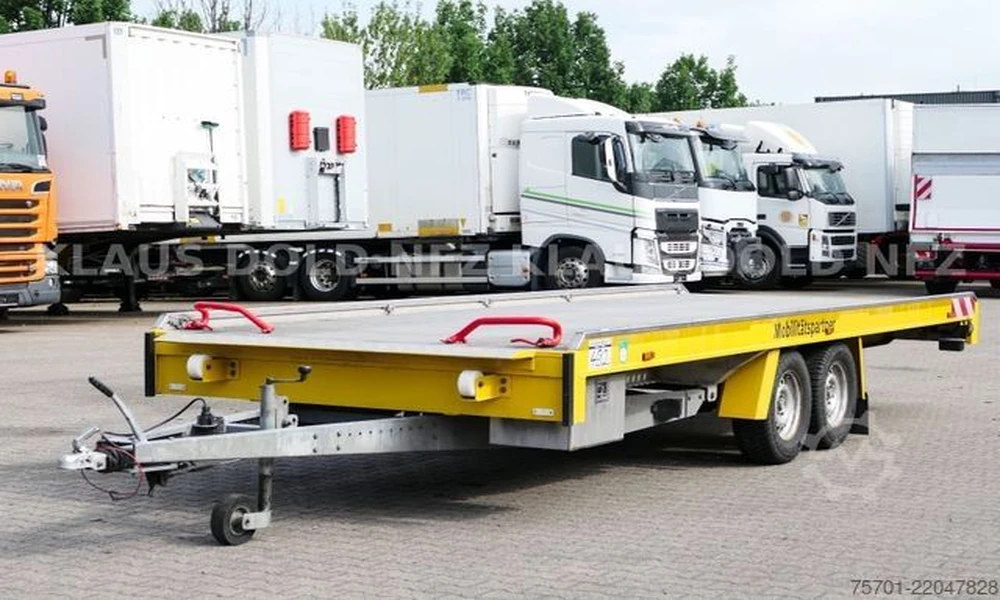
Key Takeaways
Choosing a car trailer is a strategic move that boosts transport efficiency and saves valuable time by meeting specific requirements.
Consider key features like weight capacity, material quality, and axle configuration, since these factors directly influence safety and overall performance.
It’s essential to understand the unique transport needs at hand-whether it be for standard passenger vehicles, heavy machinery, or transporting multiple units.
Popular trailer styles range from enclosed models for superior protection to open trailers that are budget-friendly, alongside specialized designs for easier loading and access.
Long-term value should be a primary consideration when buying a trailer, as higher quality often equates to better durability, reduced maintenance costs, and improved resale value.
Additionally, exploring financing options-such as personal loans, dealership financing, and leasing arrangements-can significantly impact the affordability of a premium trailer.
Effective techniques for loading and unloading, as well as safety measures like checking weight distribution and ensuring visibility, are crucial for seamless transport operations.
The Ultimate Guide to Selecting the Right Car Trailer
Choosing a car trailer requires more than just picking one off the lot; it’s a well-thought-out investment that can enhance transport efficiency and expedite operations. Experts stress the value of thoroughly understanding the wide array of options available. Different types of trailers serve unique needs, and making an informed choice can lead to substantial benefits down the road.
Key Features to Look For in a Car Trailer
When selecting the right car trailer, several pivotal features must be considered. Take a look at these crucial aspects:
- Weight Capacity: This determines the range of vehicles that can be transported securely. Exceeding weight limits could lead to serious accidents.
- Material Quality: Trailers made from steel and aluminum offer different levels of durability. Steel is stronger, whereas aluminum is lightweight and resistant to corrosion.
- Axle Configuration: The choice between single and dual axles can have a major impact on stability and loading capacity. Generally, dual axles offer enhanced balance, especially with heavier loads.
Beyond these essentials, it’s wise to evaluate the braking system, tire quality, and dimensions of the trailer, as all these factors contribute significantly to safety and performance.
Understanding Your Transport Needs: Weight and Size Matters
Assessing specific transport needs is imperative. What’s the size of the vehicle intended for transport? How frequently will the trailer be in use? Understanding these factors will guide various decisions.
- Standard Passenger Cars: Trailers often designed to accommodate compact to midsize vehicles.
- Heavy Machinery: These typically require robust configurations and might necessitate specialized arrangements.
- Multiple Vehicles: For those needing to move several cars at once, opting for a longer or multi-vehicle trailer is better.
Aligning trailer specifications with actual transport requirements is key to successful results.
Popular Trailer Designs: Which One is Best for You?
The design of a trailer can dramatically influence the entire transportation experience. Here are a few commonly chosen styles:
- Enclosed Trailers: These models provide maximum protection from environmental elements and potential theft, making them ideal for vintage or luxury vehicles.
- Open Trailers: They offer a more cost-effective solution while still delivering versatility for various uses.
- Specialized Trailers: Variants like tilt-bed or trailers with ramps make loading easier for lowered vehicles, enhancing accessibility.
Ultimately, it’s about finding a design that matches its intended purpose. The right selection can lead to a more streamlined operation.
Top 3 Car Trailers for Optimal Performance on the Road
Identifying high-performance car trailers is crucial for any dedicated transporter. Here’s a rundown of the top three options currently making waves in the market.
Heavy-Duty Trailers: Built to Last
Engineered for serious hauling, these trailers cater to clients transporting high-value vehicles or operating commercial transport services. They can’t afford even the slightest hitch in performance.
- Durability: Constructed using advanced materials designed for handling heavy loads.
- Stability: Crafted to minimize swaying, even at higher speeds.
- Security Features: Robust locking systems offer peace of mind during transport.
Investing in a heavy-duty trailer promises reliability, ensuring that even the toughest jobs are completed with ease.
Enclosed Trailers: Security and Protection Combined
For serious collectors, an enclosed trailer is an indispensable asset. This design provides unmatched defense against weather damage and theft. Depending on the manufacturer, these trailers may come with:
- Interior Lighting: Ideal for nighttime loading and unloading.
- Ventilation Systems: Help reduce moisture and odors while vehicles are being transported.
- Customizable Interiors: Options such as ramps, wheel chocks, and e-tracks to prevent movement during transport.
These trailers distinguish themselves with their flexibility and protective qualities for valuable assets.
Open Trailers: Affordable and Versatile Options
Open car trailers have been the go-to choice for many due to their affordability and adaptability. They suit clients who routinely transport vehicles, offering numerous advantages:
- Lightweight Design: Easier to tow with various vehicle types without sacrificing load capacity.
- Quick Access: Simplifying the loading and unloading process, often requiring no additional tools.
- Affordability: Generally, these trailers come with lower purchase prices compared to enclosed models.
For casual users, open trailers strike an excellent balance between practicality and cost.
Cost Considerations: What You Need to Know Before Buying
Investing in a trailer involves careful financial considerations. Professionals often guide buyers to prioritize long-term value over the initial purchase price, emphasizing the importance of looking at benefits that extend far beyond the upfront costs.
Initial Investment vs. Long-Term Value: Making the Smart Choice
Finding the right trailer involves weighing cost versus value. On any given day, one can come across numerous 3 car trailers for sale, but what truly drives their decision is how each choice meets their long-term requirements. Experts advise that upfront costs shouldn’t be the sole deciding factor for several reasons:
- Longevity: Higher quality tends to equal longer lifespans.
- Lower Maintenance Needs: Less expensive trailers may incur frequent repair expenses.
- Resale Value: Premium brands usually maintain their value much better.
In the end, selecting the right trailer mirrors a commitment to thoughtful and sustainable investment choices.
Financing Options: How to Get the Best Deal
Navigating financing can seem overwhelming. Thankfully, various options can empower buyers to make informed financial decisions. Several financing avenues may be available:
- Personal Loans: Typically offer better interest rates compared to traditional loans.
- Dealership Financing: Keep an eye out for promotions or zero-interest offers.
- Leasing Options: A potentially economical way to access higher-end models.
Clients often miss how advantageous financing can make for a more informed purchase.
Maintenance Costs: Budgeting for Upkeep and Repairs
Maintenance is critical, and it needs to figure into the overall cost of owning a trailer. Depending on trailer types, costs can differ widely. For instance:
- Check the Tires: Regular pressure checks and rotations are crucial.
- Inspect the Brakes: Checking brakes is vital for safety on the road.
- Lubricate Moving Parts: This helps prevent unnecessary wear and tear.
Factoring these maintenance needs into the budget can often save both hassle and larger expenses down the line.
Maximizing Your Investment: Tips for Trailer Usage
Owning a trailer is merely the beginning; maximizing that investment calls for both skills and knowledge. Several techniques set apart successful transporters from their peers.
Best Practices for Loading and Unloading Efficiently
Good loading and unloading techniques promote both safety and efficiency. No one wants damage to vehicles or accidents. Here’s a brief guide:
- Level Ground: Always load on even terrain to maintain balance.
- Secure Your Load: Using straps or chains helps prevent movement during transport.
- Utilize Ramps: Ensure ramps are secure and appropriate for the vehicle being loaded.
These preventative measures pave the way for a smooth operation.
How to Ensure Safe Transportation Techniques
Safety should never be overlooked. Below are crucial practices to adopt for safe transport:
- Check Weight Distribution: Balanced weight distribution prevents swaying.
- Maintain Visibility: Employ extra mirrors for better viewing angles.
- Regularly Inspect Connections: Ensuring that the hitch is secure can prevent accidents.
These techniques protect vehicles while facilitating a smooth transportation process.
Essential Accessories to Enhance Your Trailer Experience
Investing in accessories can elevate a trailer’s functionality and effectiveness. A few useful accessories include:
- Wheel Chocks: Added security when parked.
- Loading Straps: Critical for stabilizing vehicles during transit.
- Brake Controllers: These can enhance towing efficiency and safety standards.
Adding just a few well-considered accessories can dramatically improve the overall experience of trailer use.
FAQ
What factors affect the resale value of a car trailer?
The resale value largely depends on brand reputation, condition, and overall build quality. Typically, high-quality trailers retain their value better, particularly with proper maintenance.
How can one determine the right weight capacity for their trailer?
Experts recommend evaluating the heaviest vehicle intended for transport and adding a safety margin to ensure the trailer can manage the load without compromising safety or performance.
What are the key differences between single and dual axle trailers?
Single axle trailers often provide better maneuverability and are lighter, while dual axles improve stability and load capacity. Clients transporting heavier vehicles typically lean towards dual axle options for enhanced stability.
How do trailer dimensions influence transport options?
Trailer dimensions are vital in determining which vehicles can be loaded and how easily that process occurs. Longer trailers can accommodate larger vehicles, while wider ones allow for increased clearance and better access.
What are some common accessories that enhance trailer safety?
A range of accessories can improve safety, including wheel chocks, brake controllers, and suitable loading straps. Each item contributes directly to a safer transport experience.
How can climate conditions affect trailer performance?
Climate can greatly impact trailer performance. For example, extreme heat can alter tire pressure, whereas high humidity levels might rust trailers made from susceptible materials. Regular checks are critical for ensuring optimal performance.
What financing tips can help secure a better deal on a trailer?
Thoroughly review different financing options and look for promotional rates from dealers. Comparing terms from credit unions or banks may also reveal better interest rates than standard financing channels.
How often should a trailer be serviced and maintained?
Regular inspections are essential and should ideally occur every season, or more frequently for those who use their trailers often. This proactive approach lessens the likelihood of breakdowns and prolongs the trailer’s lifespan.

Comments are closed.