
Author

James T. Hatton

Browsing

On September 22, CaoCao Mobility made an appearance at the Alibaba Cloud Apsara Conference (Yunqi), announcing a cooperation with Qwen AI Glasses to jointly launch an AI ride-hailing service, extending ride-hailing capabilities to wearable smart terminals. Following its integration with Doubao mobile assistant, Honor YOYO, and OPPO Xiaobu, CaoCao Mobility has further expanded its AI end-side hardware service ecosystem. From the market’s attention on Chinese robotaxi leading players, it can be seen that mobility platforms are evolving from single ride-hailing entry points to broader intelligent terminal service systems.

The core of this cooperation is not simply adding a ride-hailing entry point, but establishing a complete link of “terminal perception + model understanding + service fulfillment.” After users wear Qwen AI Glasses, they can directly speak their destination via voice; the system identifies the origin and destination, completes route and estimated information processing, and then CaoCao Mobility fulfills the service in real-world scenarios. During the trip, users can also modify the destination via voice, confirm the pickup vehicle model, and communicate with the driver via voice through the glasses.

In terms of information presentation, key content such as pickup vehicles and trip progress can be displayed in the user’s field of vision in the form of visual cards, creating a continuous near-eye interaction experience for hailing, waiting, and trip management. For mobility services, this means that the role of AI further extends from “understanding needs” to “invoking services,” with terminal devices becoming a new interface connecting users with real-world transportation services.

In terms of technical architecture, CaoCao Mobility registered its MCP Server as a plugin on the Qwen Open Platform, opening up complete mobility capabilities to the platform; the interaction strategy is carried by the Qwen AI Glasses Skill, orchestrating service invocation, voice broadcast, and information display according to different scenarios. Through this layered approach, CaoCao Mobility can continuously update its mobility service capabilities, while the Qwen Open Platform can independently optimize terminal interactions, forming a collaborative model where capabilities and interactions are relatively decoupled.

Behind these capabilities lies CaoCao Mobility’s long-established large-scale mobility service system. As of June 30, 2026, CaoCao Mobility’s service network had covered 215 cities across China; over the same period, the company’s average monthly active users reached 44.6 million, and average monthly active drivers reached 758,000. The platform’s accumulations in capacity dispatching, user services, vehicle management, and operational systems provide a foundation for AI to move from terminal interaction to actual services.

From AI phone assistants to AI glasses, CaoCao Mobility is attempting to open up its mobility capabilities to more intelligent terminals. At the same time, its Robotaxi business continues to advance. As the most important commercialization vehicle for Geely Holding Group’s Robotaxi, CaoCao Mobility has built a trinity development model of “intelligent purpose-built vehicles + intelligent driving technology + intelligent operations“. Currently, Eva Cab-China’s first natively developed purpose-built Robotaxi, with CaoCao Mobility’s deep involvement in product definition and R&D-has been officially unveiled. It adopts a no-front-passenger-seat, steering-wheel-free design and is engineered via forward development specifically for autonomous driving business, will enter mass production in 2027, with a plan to deploy 100,000 units by 2030; the supporting service system includes the Green Intelligent Mobility Hub.

In overseas markets, CaoCao Mobility is also continuously advancing Robotaxi and smart mobility related cooperation. It has carried out cooperation with the Abu Dhabi Investment Office (ADIO), and is further promoting related businesses with K2 Group and May Mobility. From this perspective, the expansion of the AI terminal ecosystem and the Robotaxi business are not independent of each other, but jointly point to the extension of smart mobility service capabilities to more terminals, cities, and application scenarios.

Following this cooperation with Qwen AI Glasses, CaoCao Mobility’s AI service entry point has further expanded from mobile phones to wearable devices. For market discussions related to Chinese robotaxi leading players, the future observation dimensions are no longer limited to vehicles and autonomous driving technology themselves; AI terminal connection capabilities, service fulfillment efficiency, and the integration capabilities of real-world mobility scenarios have also become important components of smart mobility development.
Following this cooperation with Qwen AI Glasses, CaoCao Mobility’s AI service entry point has further expanded from mobile phones to wearable devices. For market discussions related to Chinese robotaxi leading players, the future observation dimensions are no longer limited to vehicles and autonomous driving technology themselves; AI terminal connection capabilities, service fulfillment efficiency, and the integration capabilities of real-world mobility scenarios have also become important components of smart mobility development.
Key Takeaways

Choosing a car trailer is a strategic move that boosts transport efficiency and saves valuable time by meeting specific requirements.

Consider key features like weight capacity, material quality, and axle configuration, since these factors directly influence safety and overall performance.

It’s essential to understand the unique transport needs at hand-whether it be for standard passenger vehicles, heavy machinery, or transporting multiple units.

Popular trailer styles range from enclosed models for superior protection to open trailers that are budget-friendly, alongside specialized designs for easier loading and access.

Long-term value should be a primary consideration when buying a trailer, as higher quality often equates to better durability, reduced maintenance costs, and improved resale value.

Additionally, exploring financing options-such as personal loans, dealership financing, and leasing arrangements-can significantly impact the affordability of a premium trailer.

Effective techniques for loading and unloading, as well as safety measures like checking weight distribution and ensuring visibility, are crucial for seamless transport operations.

The Ultimate Guide to Selecting the Right Car Trailer

Choosing a car trailer requires more than just picking one off the lot; it’s a well-thought-out investment that can enhance transport efficiency and expedite operations. Experts stress the value of thoroughly understanding the wide array of options available. Different types of trailers serve unique needs, and making an informed choice can lead to substantial benefits down the road.

Key Features to Look For in a Car Trailer

When selecting the right car trailer, several pivotal features must be considered. Take a look at these crucial aspects:

  • Weight Capacity: This determines the range of vehicles that can be transported securely. Exceeding weight limits could lead to serious accidents.
  • Material Quality: Trailers made from steel and aluminum offer different levels of durability. Steel is stronger, whereas aluminum is lightweight and resistant to corrosion.
  • Axle Configuration: The choice between single and dual axles can have a major impact on stability and loading capacity. Generally, dual axles offer enhanced balance, especially with heavier loads.

Beyond these essentials, it’s wise to evaluate the braking system, tire quality, and dimensions of the trailer, as all these factors contribute significantly to safety and performance.

Understanding Your Transport Needs: Weight and Size Matters

Assessing specific transport needs is imperative. What’s the size of the vehicle intended for transport? How frequently will the trailer be in use? Understanding these factors will guide various decisions.

  • Standard Passenger Cars: Trailers often designed to accommodate compact to midsize vehicles.
  • Heavy Machinery: These typically require robust configurations and might necessitate specialized arrangements.
  • Multiple Vehicles: For those needing to move several cars at once, opting for a longer or multi-vehicle trailer is better.

Aligning trailer specifications with actual transport requirements is key to successful results.

Popular Trailer Designs: Which One is Best for You?

The design of a trailer can dramatically influence the entire transportation experience. Here are a few commonly chosen styles:

  • Enclosed Trailers: These models provide maximum protection from environmental elements and potential theft, making them ideal for vintage or luxury vehicles.
  • Open Trailers: They offer a more cost-effective solution while still delivering versatility for various uses.
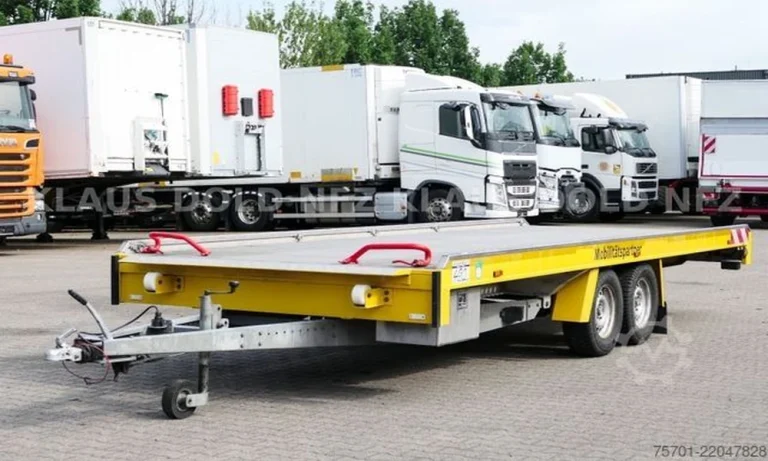
  • Specialized Trailers: Variants like tilt-bed or trailers with ramps make loading easier for lowered vehicles, enhancing accessibility.

Ultimately, it’s about finding a design that matches its intended purpose. The right selection can lead to a more streamlined operation.

Top 3 Car Trailers for Optimal Performance on the Road

Identifying high-performance car trailers is crucial for any dedicated transporter. Here’s a rundown of the top three options currently making waves in the market.

Heavy-Duty Trailers: Built to Last

Engineered for serious hauling, these trailers cater to clients transporting high-value vehicles or operating commercial transport services. They can’t afford even the slightest hitch in performance.

  • Durability: Constructed using advanced materials designed for handling heavy loads.
  • Stability: Crafted to minimize swaying, even at higher speeds.
  • Security Features: Robust locking systems offer peace of mind during transport.

Investing in a heavy-duty trailer promises reliability, ensuring that even the toughest jobs are completed with ease.

Enclosed Trailers: Security and Protection Combined

For serious collectors, an enclosed trailer is an indispensable asset. This design provides unmatched defense against weather damage and theft. Depending on the manufacturer, these trailers may come with:

  • Interior Lighting: Ideal for nighttime loading and unloading.
  • Ventilation Systems: Help reduce moisture and odors while vehicles are being transported.
  • Customizable Interiors: Options such as ramps, wheel chocks, and e-tracks to prevent movement during transport.

These trailers distinguish themselves with their flexibility and protective qualities for valuable assets.

Open Trailers: Affordable and Versatile Options

Open car trailers have been the go-to choice for many due to their affordability and adaptability. They suit clients who routinely transport vehicles, offering numerous advantages:

  • Lightweight Design: Easier to tow with various vehicle types without sacrificing load capacity.
  • Quick Access: Simplifying the loading and unloading process, often requiring no additional tools.
  • Affordability: Generally, these trailers come with lower purchase prices compared to enclosed models.

For casual users, open trailers strike an excellent balance between practicality and cost.

Cost Considerations: What You Need to Know Before Buying

Investing in a trailer involves careful financial considerations. Professionals often guide buyers to prioritize long-term value over the initial purchase price, emphasizing the importance of looking at benefits that extend far beyond the upfront costs.

Initial Investment vs. Long-Term Value: Making the Smart Choice

Finding the right trailer involves weighing cost versus value. On any given day, one can come across numerous 3 car trailers for sale, but what truly drives their decision is how each choice meets their long-term requirements. Experts advise that upfront costs shouldn’t be the sole deciding factor for several reasons:

  • Longevity: Higher quality tends to equal longer lifespans.
  • Lower Maintenance Needs: Less expensive trailers may incur frequent repair expenses.
  • Resale Value: Premium brands usually maintain their value much better.

In the end, selecting the right trailer mirrors a commitment to thoughtful and sustainable investment choices.

Financing Options: How to Get the Best Deal

Navigating financing can seem overwhelming. Thankfully, various options can empower buyers to make informed financial decisions. Several financing avenues may be available:

  • Personal Loans: Typically offer better interest rates compared to traditional loans.
  • Dealership Financing: Keep an eye out for promotions or zero-interest offers.
  • Leasing Options: A potentially economical way to access higher-end models.

Clients often miss how advantageous financing can make for a more informed purchase.

Maintenance Costs: Budgeting for Upkeep and Repairs

Maintenance is critical, and it needs to figure into the overall cost of owning a trailer. Depending on trailer types, costs can differ widely. For instance:

  • Check the Tires: Regular pressure checks and rotations are crucial.
  • Inspect the Brakes: Checking brakes is vital for safety on the road.
  • Lubricate Moving Parts: This helps prevent unnecessary wear and tear.

Factoring these maintenance needs into the budget can often save both hassle and larger expenses down the line.

Maximizing Your Investment: Tips for Trailer Usage

Owning a trailer is merely the beginning; maximizing that investment calls for both skills and knowledge. Several techniques set apart successful transporters from their peers.

Best Practices for Loading and Unloading Efficiently

Good loading and unloading techniques promote both safety and efficiency. No one wants damage to vehicles or accidents. Here’s a brief guide:

  • Level Ground: Always load on even terrain to maintain balance.
  • Secure Your Load: Using straps or chains helps prevent movement during transport.
  • Utilize Ramps: Ensure ramps are secure and appropriate for the vehicle being loaded.

These preventative measures pave the way for a smooth operation.

How to Ensure Safe Transportation Techniques

Safety should never be overlooked. Below are crucial practices to adopt for safe transport:

  • Check Weight Distribution: Balanced weight distribution prevents swaying.
  • Maintain Visibility: Employ extra mirrors for better viewing angles.
  • Regularly Inspect Connections: Ensuring that the hitch is secure can prevent accidents.

These techniques protect vehicles while facilitating a smooth transportation process.

Essential Accessories to Enhance Your Trailer Experience

Investing in accessories can elevate a trailer’s functionality and effectiveness. A few useful accessories include:

  • Wheel Chocks: Added security when parked.
  • Loading Straps: Critical for stabilizing vehicles during transit.
  • Brake Controllers: These can enhance towing efficiency and safety standards.

Adding just a few well-considered accessories can dramatically improve the overall experience of trailer use.

FAQ

What factors affect the resale value of a car trailer?

The resale value largely depends on brand reputation, condition, and overall build quality. Typically, high-quality trailers retain their value better, particularly with proper maintenance.

How can one determine the right weight capacity for their trailer?

Experts recommend evaluating the heaviest vehicle intended for transport and adding a safety margin to ensure the trailer can manage the load without compromising safety or performance.

What are the key differences between single and dual axle trailers?

Single axle trailers often provide better maneuverability and are lighter, while dual axles improve stability and load capacity. Clients transporting heavier vehicles typically lean towards dual axle options for enhanced stability.

How do trailer dimensions influence transport options?

Trailer dimensions are vital in determining which vehicles can be loaded and how easily that process occurs. Longer trailers can accommodate larger vehicles, while wider ones allow for increased clearance and better access.

What are some common accessories that enhance trailer safety?

A range of accessories can improve safety, including wheel chocks, brake controllers, and suitable loading straps. Each item contributes directly to a safer transport experience.

How can climate conditions affect trailer performance?

Climate can greatly impact trailer performance. For example, extreme heat can alter tire pressure, whereas high humidity levels might rust trailers made from susceptible materials. Regular checks are critical for ensuring optimal performance.

What financing tips can help secure a better deal on a trailer?

Thoroughly review different financing options and look for promotional rates from dealers. Comparing terms from credit unions or banks may also reveal better interest rates than standard financing channels.

How often should a trailer be serviced and maintained?

Regular inspections are essential and should ideally occur every season, or more frequently for those who use their trailers often. This proactive approach lessens the likelihood of breakdowns and prolongs the trailer’s lifespan.

Useful Resources

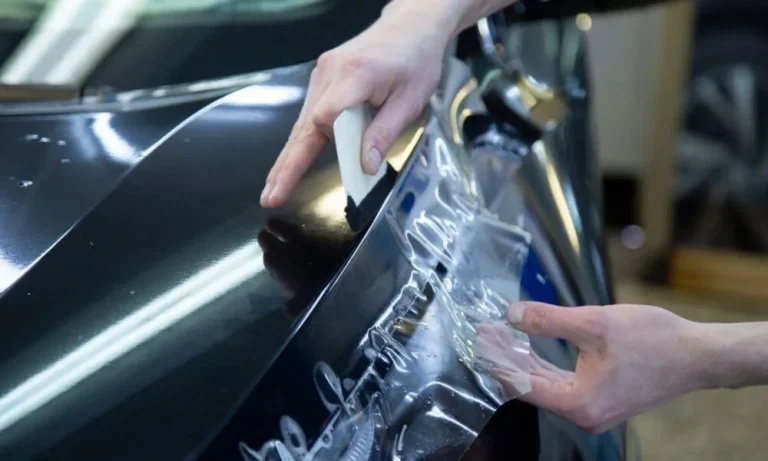
Paint protection film has evolved well beyond its original role as an almost invisible barrier against stone chips. Drivers can now choose films that not only protect factory paint but also alter the character of a vehicle’s finish. Among the most distinctive options is satin film, which creates a smooth, understated appearance somewhere between high-gloss paint and a completely matte surface.

For anyone trying to identify the best PPF for a vehicle, appearance is only one part of the decision. Film construction, clarity, resistance to environmental exposure, installation quality, maintenance requirements, and long-term durability all matter. A satin finish introduces another consideration because the film becomes part of the vehicle’s visual identity rather than simply disappearing over the paint.

Understanding these differences makes it easier to choose a film that protects effectively without compromising the look of the car.

What Makes a High-Quality Paint Protection Film

Modern paint protection films are typically made from thermoplastic polyurethane, commonly known as TPU. This flexible material allows the film to conform closely to curved body panels while creating a physical barrier between the paint and everyday road hazards.

A quality film should provide enough impact resistance to reduce damage from gravel, road debris, insects, and minor abrasions. It should also remain flexible as temperatures change and resist discoloration caused by prolonged exposure to sunlight.

The topcoat is particularly important. Modern premium films often use advanced surface coatings designed to resist staining and make contaminants easier to remove. Some also incorporate self-healing properties, allowing light surface marks to become less noticeable when exposed to warmth.

Adhesive performance matters just as much. A strong automotive film needs to remain securely attached without creating unnecessary distortion or leaving obvious visual imperfections around edges and curves.

The best PPF is therefore rarely defined by a single specification. It is the combination of material quality, surface technology, adhesive consistency, installation characteristics, and appearance that determines how well the film performs over time.

Why Satin Finishes Have Become More Popular

Traditional clear PPF is designed to preserve the original gloss of automotive paint. Satin film takes a different approach. Its surface diffuses reflected light, reducing the mirror-like shine associated with polished clear coat.

The result is softer than gloss but generally more refined than a completely flat matte finish. Metallic paints can look particularly interesting beneath satin film because the underlying color and metallic particles remain visible while strong reflections are subdued.

That visual transformation explains much of satin PPF’s appeal. A vehicle can gain a noticeably different character without requiring permanent repainting.

Dark colors often become deeper and more understated, while brighter colors can take on a smoother, almost factory-special-edition appearance. Body contours may also appear more pronounced because reflections are less dominant across large panels.

Unlike purely cosmetic wraps, however, quality satin PPF still serves the primary purpose of protecting paint.

Protection Should Remain the Main Priority

It can be tempting to choose paint protection film primarily by finish, particularly when satin products create such an obvious visual change. Protection performance should still come first.

Vehicles encounter countless small hazards during ordinary driving. Gravel thrown by tires can damage bumpers, hoods, rocker panels, and wheel arches. Highway driving exposes paint to insects and airborne debris, while parking lots introduce the possibility of scratches and scuffs.

Environmental contamination matters too. Tree sap, bird droppings, road grime, and bug residue can all affect automotive surfaces if they remain in place long enough.

A well-engineered PPF provides a sacrificial layer. Instead of contaminants or debris immediately reaching the clear coat, they encounter the film first. The film cannot prevent every type of damage, particularly severe impacts or deep scratches, but it can substantially reduce routine wear.

For many owners, preserving factory paint is especially valuable because repainting individual panels can make color matching difficult and may influence resale perceptions.

Satin Film Requires Consistent Coverage

One difference between clear gloss PPF and satin products is the importance of panel coverage.

With highly transparent gloss film, owners sometimes protect only the most vulnerable areas, such as the front bumper, hood, mirrors, and front fenders. The difference between protected and unprotected paint may be relatively difficult to notice when installation is performed properly.

Satin film deliberately changes reflectivity, so partial coverage can create an obvious contrast. A satin-covered hood beside glossy fenders, for example, will look intentionally different.

For this reason, owners seeking a complete satin appearance frequently choose full-body coverage. This produces consistent texture and sheen across the vehicle while extending protection to doors, rear panels, and other painted surfaces.

Partial satin installations can still work when they are part of a deliberate styling concept, but the transition between finishes needs careful consideration before installation begins.

Installation Quality Can Determine the Final Result

Even an excellent film can produce disappointing results when poorly installed.

Vehicle panels contain curves, recesses, sensors, trim pieces, badges, and complex edges. Applying film cleanly across these areas requires preparation, accurate positioning, controlled stretching, and careful finishing.

Contamination trapped underneath film can create visible imperfections. Excessive stretching may affect appearance or durability, while poorly finished edges can become easier to notice over time.

Satin surfaces can be particularly unforgiving because inconsistencies may stand out differently under changing light. Installers must understand how the film behaves across complex shapes and how much tension can be used without changing its surface characteristics.

Before selecting a product, it is therefore sensible to consider the installer as carefully as the film itself. Experience with the specific finish and vehicle type can have a major influence on the finished appearance.

Maintenance Is Different From Caring for Gloss Paint

Satin finishes benefit from straightforward but appropriate maintenance.

Aggressive polishing should generally be avoided because compounds designed to increase gloss can create uneven shiny areas on a satin surface. Abrasive cleaning methods may also alter the film’s uniform texture.

Regular washing is usually the better approach. Dirt, insects, bird residue, and other contaminants should be removed before they remain on the surface for extended periods. Gentle automotive cleaning products and clean microfiber materials help minimize unnecessary abrasion.

Owners should also follow the film manufacturer’s instructions regarding pressure washing, sealants, coatings, and chemical cleaners. Products developed for glossy paint are not automatically suitable for satin surfaces.

The advantage is that properly maintained PPF can simplify routine care by protecting the factory clear coat beneath it.

Comparing Satin With Gloss and Matte Options

There is no universally correct finish because each creates a different result.

Gloss PPF is usually the logical choice when the objective is to preserve or enhance a factory glossy appearance. It offers protection while remaining visually discreet on most vehicles.

Matte film creates a flatter surface with minimal reflection and can dramatically alter glossy paint. It works well for owners seeking a more radical styling change.

Satin occupies the middle ground. It reduces glare while retaining enough sheen to emphasize body shape and paint depth. For many vehicles, the result feels less extreme than matte while still being clearly different from conventional gloss.

Choosing among them is therefore as much an aesthetic decision as a technical one, provided the films being compared meet appropriate standards of protection and durability.

Choosing Satin PPF With Long-Term Ownership in Mind

The strongest PPF choice is one that continues to make sense several years after installation. Buyers should consider how the film will age, whether replacement is practical, what warranty support exists, and whether the appearance suits the vehicle beyond current styling trends.

Product information can also help owners understand how different manufacturers approach satin finishes. For example, ClearPro provides specifications for its satin paint protection film as one reference point when comparing the construction and intended appearance of this category of PPF.

The comparison should ultimately extend beyond branding. Material quality, installer experience, coverage strategy, maintenance expectations, and the desired finish all deserve equal attention.

A Balanced Choice Between Style and Protection

Paint protection film works best when protection and appearance are considered together rather than separately. Satin finishes illustrate this particularly well because they can noticeably transform a vehicle while still serving the practical purpose of shielding its original paint.

A good installation should look intentional, remain consistent across panels, and withstand the conditions the vehicle regularly encounters. Choosing suitable film technology and an experienced installer is therefore more important than focusing only on visual appeal.

For drivers who appreciate a subdued, contemporary finish but still want to preserve factory paint, satin PPF offers an appealing middle ground. When selected carefully and maintained correctly, it can provide both a distinctive exterior and a useful protective layer without permanently changing the paint underneath.

A vehicle does not become old the moment it reaches 100,000 miles. Many cars and trucks can continue running well for years when they receive regular care. The key is paying attention to small changes before they turn into expensive problems.

The fuel system deserves special attention in a high-mileage vehicle. It moves fuel from the tank to the engine and controls how much fuel is delivered. The fuel pump, filter, lines, and injectors must all work together.

As the miles add up, normal wear and fuel deposits may affect how the system operates. Regular service, quality fuel, and proper injector care can help support dependable performance.

Follow the Maintenance Schedule

The owner’s manual is the best place to begin. It lists the service schedule for the engine, fuel system, filters, fluids, spark plugs, and other important parts.

High-mileage vehicles may need closer attention than newer vehicles. This does not mean replacing parts that are still working properly. It means checking the vehicle regularly and responding when something changes.

Oil changes are especially important. Old or low oil can increase engine wear. Use the oil type and grade recommended by the vehicle manufacturer. According toFuelEconomy.gov, using the recommended grade of motor oil may improve fuel economy by 1 to 2 percent.

Spark plugs should also be replaced at the proper interval in gasoline engines. Worn plugs may cause hard starting, hesitation, misfires, and lower fuel economy. Diesel engines have different service needs, so always follow the correct schedule for your vehicle.

Use the Right Fuel

Choose the fuel grade listed in the owner’s manual. A vehicle designed for regular gasoline normally will not gain more power or better mileage from premium fuel. Higher octane does not automatically mean better cleaning.

Fuel quality can still make a difference. Detergent additives in gasoline help control deposits in the fuel system and engine. Some fuel brands contain more detergent than the minimum required amount.

Buy fuel from busy, trusted stations when possible. A station with steady customer traffic is more likely to have fresh fuel moving through its storage tanks. If your vehicle is diesel-powered, use the correct diesel fuel for the season and local weather.

Never put gasoline in a diesel vehicle or diesel in a gasoline vehicle. If the wrong fuel is added, do not start the engine. Contact a repair shop or towing service for help.

Replace the Fuel Filter When Required

The fuel filter catches dirt and other material before it reaches the injectors. As the filter collects debris, fuel flow may become restricted.

A clogged filter can make an engine difficult to start. It may also cause rough idling, stalling, sluggish acceleration, or a loss of power under load.Ford lists these symptoms as possible reasons a fuel filter may need replacement.

Fuel-filter schedules vary. Some filters are replaced at set mileage intervals. Others are located inside the fuel tank and are designed to last much longer. Diesel vehicles often have separate filter and water-separator service requirements.

Check the owner’s manual or ask a trusted mechanic before replacing the filter.

Is a Fuel System Cleaning Necessary?

A fuel system cleaning is not automatically necessary just because a vehicle has reached a certain mileage. The need depends on the vehicle, its maintenance history, fuel quality, and how the engine is running.

Cleaning may be helpful when deposits are affecting the injectors or other fuel-system parts. It may also be recommended as part of the manufacturer’s service schedule.

Avoid paying for an expensive cleaning based only on a general mileage recommendation. Ask the mechanic what problem was found and what type of cleaning is needed.

A fuel additive may help control lighter deposits. A professional cleaning may be needed for heavier buildup. Neither option can repair a failed injector, weak fuel pump, bad sensor, or damaged engine part.

What Are Signs of Dirty Fuel Injectors?

Fuel injectors deliver a controlled spray of fuel to the engine. Their openings are very small, and the spray must be accurate for the engine to run properly.

Deposits can form around the injector tips or inside parts of the fuel system. If deposits affect the spray pattern, the engine may not burn fuel as evenly as it should.

Common warning signs may include:

  • Rough or uneven idling
  • Hard starting
  • Hesitation during acceleration
  • Slower throttle response
  • Engine misfires
  • Reduced fuel economy
  • More exhaust smoke than usual
  • A check-engine light

These symptoms do not prove that the injectors are dirty. Worn spark plugs, a clogged filter, a weak fuel pump, faulty sensors, or low compression can create similar problems.

If the symptoms continue, have the vehicle properly diagnosed before replacing parts or paying for a major fuel-system service.

How Often Should a Fuel System Be Serviced?

There is no single service schedule that applies to every vehicle. The correct interval depends on the vehicle’s design and the manufacturer’s recommendations.

Some fuel systems may only need filter replacement and regular inspections. Other vehicles may need additional service if deposits, contaminated fuel, or performance problems are found.

Driving conditions also matter. A vehicle that makes frequent short trips, sits unused for long periods, or regularly operates under heavy loads may need closer attention.

The best approach is to follow the owner’s manual and watch how the vehicle performs. Do not wait for a complete breakdown before responding to rough idling, hard starting, fuel odors, leaks, or a sudden loss of power.

Monitor Fuel Economy

Fuel economy is one of the easiest ways to monitor a high-mileage vehicle. Write down the mileage and number of gallons at each fill-up, or use a mileage-tracking app.

Do not worry about a small change from one tank to the next. Weather, traffic, short trips, idling, and driving speed can all affect mileage. Look for a pattern over several fill-ups.

A lasting drop may point to low tire pressure, dragging brakes, engine problems, injector deposits, or a change in driving conditions.

Fuel economy cannot tell you exactly what is wrong, but it can warn you that the vehicle may need attention.

Keep the Tires Properly Inflated

Tires are not part of the fuel system, but they affect how much fuel a vehicle uses. Underinflated tires create more rolling resistance and make the engine work harder.

The U.S. Department of Energy reports that proper tire pressure may improve gas mileage by about 0.6 percent on average and by as much as 3 percent in some cases.

Use the tire pressure listed on the sticker inside the driver’s door or in the owner’s manual. Do not use the maximum pressure printed on the tire sidewall.

Support Cleaner Operation With Fuel Factor X

Fuel system maintenance does not need to be complicated. Start with quality fuel, follow the recommended service schedule, replace filters when required, and pay attention to changes in performance.

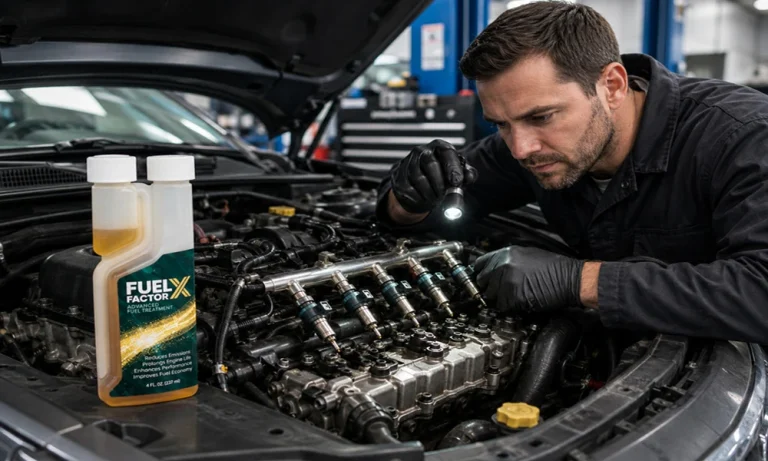
Fuel Factor X can be added as another step in that routine. It is a concentrated fuel treatment designed for both gas and diesel engines. It supports cleaner fuel-system operation, more consistent fuel delivery, and cleaner combustion.

Add Fuel Factor X during a fill-up and follow the dosage instructions on the package. Using more than the recommended amount is not necessary.

Fuel Factor X does not replace oil changes, filter replacement, professional service, or needed repairs. It gives high-mileage vehicle owners a simple way to support their fuel system between regular service visits.

Results can vary based on vehicle condition, maintenance history, fuel quality, driving habits, engine type, and product use.

Your engine depends on stable temperature for smooth and dependable daily performance. The thermostat controls coolant movement through the engine cooling system. It opens and closes according to the engine temperature. This simple component has an important role in maintaining proper operating conditions. When the thermostat becomes faulty the engine can become too hot or cold. But the effects can reach far beyond unusual temperature readings. A damaged thermostat can also affect fuel efficiency and engine performance. So timely inspection can help prevent expensive mechanical problems later.

Changes in Engine Performance

A faulty thermostat can influence more than the temperature gauge. Engine computers monitor temperature information to manage several operating functions. Incorrect temperatures can therefore influence fuel delivery and ignition management. The engine may feel less responsive during normal acceleration. Fuel economy can also become noticeably worse under certain driving conditions.

Now these changes may appear gradually rather than suddenly during everyday use. The vehicle may also experience rough running after extended periods. A trained technician should inspect the complete cooling system before confirming the problem. This approach helps prevent unnecessary repairs and protects important engine components. Auto Repair in Bakersfield, CA service can provide professional assistance when cooling problems appear. Early attention can reduce the possibility of more complicated mechanical repairs.

Why Professional Thermostat Inspection Matters

Thermostat replacement may appear simple but proper diagnosis remains important. Several cooling system problems can produce similar temperature related symptoms. A technician can inspect coolant levels and hoses during the evaluation. The radiator and cooling fan may also require careful examination. A complete inspection helps determine whether the thermostat is truly responsible. Brandon’s Transmission & Auto Repair can assess these symptoms and recommend suitable repair solutions. Professional testing can also identify related cooling system weaknesses before they worsen.

Protecting Your Engine from Temperature Problems

The thermostat is small but its function remains essential for engine protection. It helps maintain the temperature needed for efficient and reliable engine operation. A faulty unit can create overheating or prolonged underheating conditions. Both situations can reduce engine efficiency and increase mechanical stress. Regular servicing makes it easier to detect cooling system problems early. Drivers should pay attention to unusual temperature gauge movement. Changes in cabin heating can also provide useful warning signs. Now prompt inspection can prevent minor thermostat problems from becoming serious repairs. Brandon’s Transmission & Auto Repair can help identify cooling concerns before they affect major engine components.

Conclusion

The right repair approach can restore proper coolant circulation and temperature control. Good maintenance also supports dependable performance during demanding driving conditions. But ignoring temperature changes can eventually lead to costly engine damage. Professional cooling system care therefore remains an important part of responsible vehicle maintenance. Brandon’s Transmission & Auto Repair can provide suitable repair support when thermostat concerns affect engine temperature.

The engine relies on constant lubrication to function. Now, the car oil pressure sensor acts as a primary protector. This small part monitors the oil flow throughout your machine. You need consistent oil pressure for a healthy driving experience. But sometimes, people ignore the small dashboard warning lights. This component tells the computer about the internal fluid levels. Auto Repair in St. Louis, MO experts suggest checking this part during routine maintenance. Proper lubrication prevents heavy metal parts from grinding together harshly. Spirit One Automotive technicians always emphasize the importance of early detection systems.

Monitoring Internal Fluid Dynamics

The sensor measures the force of the oil pump. Now, the device sends electrical signals to the vehicle computer. You will see a light if the pressure drops. But the sensor can fail after many years of use. This failure causes incorrect readings on your dashboard display screen. Low pressure levels lead to immediate engine damage and heat. Spirit One Automotive specializes in replacing these faulty electronic monitoring components quickly. Sometimes, a simple leak near the sensor causes major trouble. The sensor usually sits right next to the engine block.

Preventing Catastrophic Engine Failure

The oil film keeps the internal moving parts separated safely. Now, the sensor ensures that this protective film remains thick. You might hear loud knocking noises during a pressure drop. But the sensor catches the issue before parts break. It prevents the motor from seizing during long highway trips. The tiny diaphragm inside the sensor reacts to fluid weight. Spirit One Automotive provides high quality replacements for all modern vehicle models. A working sensor saves you from the cost of replacement.

Diagnostic Signs of Sensor Wear

You should look for flickering oil lights on the dash. Sometimes, the gauge stays at the highest possible reading. The sensor might be leaking oil through its electrical connector. But you can test the part with a multimeter tool. The wires often get brittle from the high engine heat. Now, the computer interprets these bad signals as a crisis. You must verify the actual oil level using the dipstick. Accurate diagnostics prevent unnecessary repairs on the oil pump itself. The sensor is usually the first part to fail here.

Conclusion

The oil pressure sensor is a silent hero for motorists. It prevents expensive repairs by providing vital real time data. Now, you understand why this electronic part matters so much. But remember to watch for the warning signs of failure. The engine depends on the flow of clean oil every day. You should contact a professional if the warning light glows. Safe driving starts with a well monitored and lubricated engine.

Modern vehicles rely on complex thermal management to function. You might think heater hoses only warm the cabin. These rubber lines actually influence many engine bay components. A healthy cooling system protects the power steering pump. Heat affects how fluid moves through the steering rack. High temperatures can degrade the seals inside your steering system. Maintaining these hoses ensures your car handles smoothly every day. The engine creates massive heat during a standard commute. Now, a cooling failure might cause steering fluid to overheat. Proper maintenance keeps your vehicle safe on the road.

The Impact of Heat on Fluid Dynamics

Thermal energy changes the viscosity of power steering fluid. Thick fluid flows poorly through the narrow steering valves. Sometimes, the heater hose leaks onto adjacent metal lines. This adds unnecessary heat to the hydraulic steering fluid. Thin fluid lacks the strength to lubricate internal parts. You need consistent pressure to turn the wheels with ease. A faulty hose disrupts the delicate temperature balance under the hood. The hydraulic pump works harder when temperatures climb too high. Efficient cooling allows the pump to spin without extra resistance. Consistent fluid thickness prevents premature wear on the steering rack.

Preventing Hydraulic System Stress

A failing heater hose puts stress on the entire engine. High heat makes the power steering pump work much harder. This increased load reduces the overall fuel efficiency of the car. The Southwest Muffler & Brake recommends replacing hoses every five years. Fresh rubber resists the high pressures of the cooling system.

Chemical Interactions and Potential Leaks

Coolant and steering fluid should never mix in the bay. A leaking heater hose drips fluid onto steering hose fittings. These chemicals can degrade the outer layer of steering lines. Then, the high pressure causes a sudden steering fluid leak. The Auto Repair in Stafford, TX identifies these subtle signs of damage. Sometimes, a small drip leads to a major steering failure. Clean hoses ensure that no cross-contamination occurs during operation. You must keep the engine bay free of corrosive fluids. Solid connections prevent the loss of vital power steering pressure. Expert technicians look for these chemical interactions during a multi-point inspection.

Conclusion

The relationship between these systems is very close and important. Heater hoses manage the heat that affects steering fluid performance. A cool engine bay promotes a healthy and responsive pump. You should check your hoses for any signs of leaks. Regular inspections prevent major failures in both the systems. Keeping the cooling system functional protects your power steering rack. Reliable steering makes every journey much safer for your family. Simple maintenance saves you from expensive and difficult mechanical repairs. Take care of your hoses to keep your steering smooth.

Extreme winter weather creates many unique challenges for vehicle owners. The freezing temperatures often lead to unexpected damage on exterior surfaces. Paint blistering represents a very common issue during these harsh months. This physical reaction happens when moisture gets trapped beneath the surface. You might notice small bubbles forming on your car door. These bumps eventually pop and lead to significant rust problems. Understanding this process helps people protect their valuable investments. Local drivers in Indiana deal with these conditions every year. The salt on the roads makes the situation much worse. This case study examines how cold air impacts paint durability.

The Science of Cold Weather Adhesion

Low temperatures change the way automotive coatings behave over time. The metal panels on a car contract during deep freezes. Paint layers must remain flexible to handle these physical shifts. Sometimes the bond between the primer and metal fails completely. This gap allows tiny amounts of water to enter. Frozen water expands and pushes the paint away from the steel. You will see the texture of the panel change quickly. The paint loses its grip on the cold substrate below. This separation creates a pocket for air and liquid debris. Skiles Automotive sees this specific damage during the winter. Proper adhesion requires a stable environment for the chemical bonds.

Moisture Traps and Thermal Expansion Cycles

Humidity plays a surprising role even in the dry winter. Snow melts into the small cracks of the damaged finish. The liquid turns into ice when the sun goes down. Now the ice pushes against the brittle top coat layers. This cycle repeats many times throughout the long winter season. Professional technicians understand the physics of these common weather patterns. You must address small chips before the first snow falls.

Chemical Reactions with Road Deicing Agents

Municipalities use heavy salt to keep the local roads safe. This salt lowers the freezing point of the slushy water. The chemical mixture becomes very corrosive to automotive paint systems. Sometimes the salt seeps into existing microscopic paint blisters.

Skiles Automotive provides expert solutions for these chemical issues. Washing the car regularly helps remove the dangerous salt buildup. Clean surfaces resist the formation of new moisture traps easily.

Impact on Local Commuters in Roseland

Residents of the northern region face the most brutal winds. These winds carry abrasive sand and ice crystals through air. The debris creates tiny pits in the front car bumper. Now the cold air penetrates the deep structural paint layers. Many people find these defects after a heavy winter storm. Finding reliable Auto Repair in South Bend, IN (Roseland) becomes a priority. Professional help ensures the metal stays safe from further rot. Local shops see a surge in body work requests. You should inspect your vehicle under bright lights every week. Ignoring the small bubbles leads to very expensive repairs later. Early detection saves the original factory finish from total failure.

You already know diesel systems fail fast when fuel quality slips or cold hits hard. I have spent years studying how diesel engines react to weather, storage, and fuel breakdown. I pay attention to products that solve real problems, work across conditions, and stay safe for modern systems. I look for formulas that avoid alcohol, protect injectors, and handle water without damage. This guide walks you through how to think about diesel additives, how to prevent gelling, how to recover from fuel issues, and why certain product lines stand out for long term engine care. You get clear direction, fewer mistakes, and better reliability from your equipment.

Early in any diesel maintenance plan, fuel system cleanliness matters. A product like Howes Meaner Power Kleaner fits naturally into that thinking because it addresses fuel stability, injector deposits, and lubricity in one step. I will explain how products like this fit into a complete approach.

Why Diesel Additives Matter More Than Most People Think

Diesel fuel changes with temperature. Cold causes wax crystals to form. Water separates. Lubricity drops. Injectors suffer first.

I advise looking at additives as protection, not rescue only. Preventing problems costs less than fixing them later. A good diesel treatment should:

  • Prevent gelling before it starts
  • Remove water without alcohol
  • Add lubricity to protect injectors
  • Clean deposits over time
  • Stay safe for emissions systems

Many products fail one or more of these points. That gap is where engine trouble starts.

Choosing the Right Winter Diesel Additive

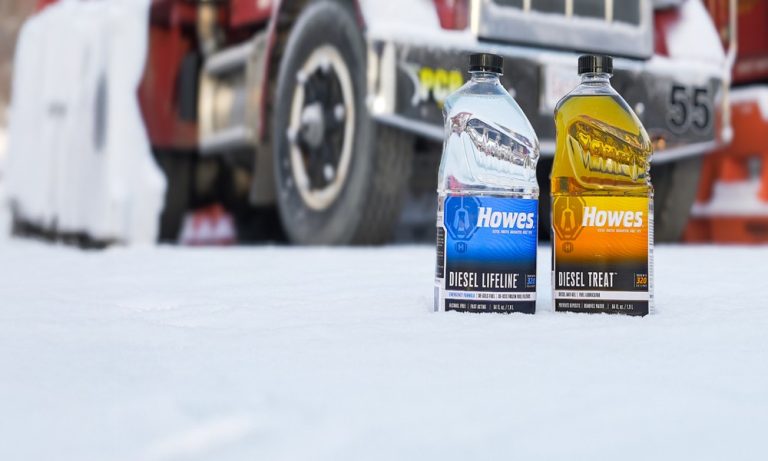
Cold weather diesel additive selection should focus on prevention. I look for anti gel protection that works before fuel thickens. Diesel Treat fits that role well.

Diesel Treat is designed to stop gelling in harsh temperatures while conditioning fuel year round. It removes water safely, improves lubricity, and reduces smoke and rough idle. It works with all diesel and biodiesel blends, including home heating oil. It avoids alcohol and harsh solvents, which protects seals and fuel system parts.

This approach matters because alcohol based products can dry components and cause long term wear. I recommend avoiding those when possible.

Prevent Diesel Gelling Before It Happens

Once diesel gels, damage risk rises fast. Prevention stays the best option.

I suggest a routine plan that includes:

  • Treating fuel before cold arrives
  • Keeping tanks full to limit condensation
  • Using additives that manage water safely
  • Maintaining injector cleanliness

Diesel Treat supports this plan by conditioning fuel before wax crystals form. It keeps fuel flowing and protects components during cold starts.

How to Fix Gelled Diesel Fuel Safely

Sometimes prevention fails. Emergencies happen. This is where Diesel Lifeline comes in.

Diesel Lifeline is built for recovery. It reliquefies gelled fuel and de ices frozen filters without pre mixing or filter changes. It works in extreme cold down to minus thirty five degrees Fahrenheit. It stays petroleum based, not alcohol based, which keeps systems safe.

I see value in keeping this product on hand during winter travel or remote work. It solves the problem fast and continues protecting after use.

Improving Diesel Lubricity and Injector Health

Modern diesel engines rely on clean injectors. Poor lubricity causes wear that leads to power loss and higher fuel use.

Diesel Defender focuses on this area. It delivers strong lubricity gains and cleans injectors using IDX4 detergent. This detergent removes and prevents internal diesel injector deposits. It also improves fuel economy and supports better combustion.

I recommend this type of product during warmer months or as part of regular maintenance. Clean injectors respond better, idle smoother, and last longer.

Fuel Stabilization for Equipment and Storage

Stored fuel degrades. Sediment forms. Microbial growth starts when water stays present.

Meaner Power Kleaner targets these problems. It stabilizes stored fuel, removes deposits, and adds lubricity. It also removes water safely and reduces sediment buildup. This makes it useful for agricultural equipment, heavy machinery, marine use, and seasonal vehicles.

I look at this product as a bridge between daily operation and long term storage. It supports both without changing routines.

Penetrating Lubricant and Multi Purpose Protection

Diesel systems do not exist alone. Cables freeze. Hinges seize. Electrical connections corrode.

Howes Multi Purpose lubricant covers these needs. It penetrates deeply, displaces water, and leaves a protective film. It works on rubber, vinyl, chrome, and metal. It avoids alcohol and harsh solvents.

I see value in one product that handles many tasks without damaging surfaces.

Why Choose This Product Line Over Others

I evaluate diesel additives on consistency, safety, and coverage. This product line stands out because:

  • Alcohol free formulas protect components
  • Products cover prevention and recovery
  • Additives support modern emissions systems
  • Fuel economy and lubricity gains are proven
  • Emergency and routine needs are both addressed

They also stand behind performance with satisfaction guarantees and winter tow coverage for Diesel Treat. That level of backing reflects confidence without relying on hype.

How to Build a Simple Diesel Care Plan

I recommend keeping things simple and repeatable.

A practical plan looks like this:

  • Use Diesel Treat before cold weather
  • Keep Diesel Lifeline available for emergencies
  • Run Diesel Defender during warmer months
  • Stabilize stored fuel with Meaner Power Kleaner
  • Use Multi Purpose lubricant for mechanical care

This structure protects fuel, injectors, and systems year round. It reduces downtime and avoids rushed fixes.

If you want diesel equipment that starts, runs, and lasts, focus on fuel first. The right additives support that goal without adding complexity.

Bachelor and bachelorette parties are more than just nights out. They are once-in-a-lifetime celebrations with close friends, built around laughter, memories, and a little bit of chaos in the best way. Choosing the right transportation can completely shape the experience, and that is exactly why a party bus has become the go-to option for these events.

A party bus does not simply move the group from place to place. It becomes the center of the celebration.

The Party Starts the Moment Everyone Steps Inside

With traditional transportation, the night begins after arriving at the first stop. With a party bus, the celebration starts the second the doors close. Music fills the space, lights set the mood, and the entire group is together without worrying about traffic, parking, or splitting up.

This immediate immersion into the party atmosphere keeps the energy high from the very beginning and eliminates the awkward downtime that often happens between locations.

No One Has to Miss Out on the Fun

Bachelor and bachelorette parties thrive on togetherness. When everyone rides separately, the group energy fragments. People get lost, run late, or struggle to find parking. A party bus keeps the entire group connected for the whole night. No one misses a moment. No one feels left out.

This shared experience strengthens the sense of celebration and makes every part of the evening feel intentional and connected.

Freedom to Relax Without Worry

One of the biggest benefits of a party bus is peace of mind. No one needs to worry about driving, directions, traffic, or coordinating rides. Everyone can relax, enjoy drinks, and stay fully present in the celebration.

This freedom creates a safer environment and allows the group to focus on what truly matters: celebrating the bride or groom.

A Customizable Party Atmosphere

Party buses are designed for celebration. From high-quality sound systems and customizable lighting to wraparound seating and onboard refreshment areas, the environment feels like a private lounge on wheels. The group controls the music, the mood, and the pace of the night.

Whether the group wants high-energy dancing or relaxed conversations between stops, the party bus adapts to the moment.

More Stops, Less Stress

Bachelor and bachelorette parties often include multiple destinations. Bars, clubs, restaurants, entertainment venues, and surprise stops are all part of the adventure. Coordinating these plans with separate cars or rideshares quickly becomes stressful and chaotic.

A party bus keeps the night flowing smoothly. Routes are pre-planned, timing stays organized, and the group moves effortlessly from one location to the next without breaking the rhythm of the celebration.

A VIP Experience Without the Hassle

There is something undeniably special about stepping into a party bus. The experience feels elevated, exclusive, and unforgettable. It sets the tone for the night and makes the celebration feel worthy of the occasion.

For the bride or groom, this VIP feeling adds an extra layer of excitement and significance to their send-off into married life.

Built for Group Bonding

Some of the best memories happen between the destinations. The laughter, stories, photos, and spontaneous moments that unfold on the bus often become the highlight of the night. These shared experiences create bonds that last long after the party ends.

The party bus becomes the backdrop for those memories.

Final Thoughts

A bachelor or bachelorette party is about connection, celebration, and creating unforgettable moments. A party bus brings all of that together in one moving space, removing stress while amplifying joy. From start to finish, it keeps the group together, the energy high, and the night flowing effortlessly.

For a celebration that deserves nothing less than unforgettable, a party bus is not just transportation. It is the party itself.

Diego Party Bus & Limos offers premium party bus rentals and limousine services at unbeatable rates. Serving clients who expect style, comfort, and reliability, we provide custom luxury vehicles for weddings, proms, corporate events, airport transfers, and unforgettable nights out. Our professional chauffeurs and friendly customer service team ensure every ride is safe, stylish, and stress-free. With an A+ BBB rating and five-star Yelp reviews, we’re trusted for delivering exceptional transportation experiences. Whether you need a sleek limo, limousine service San Diego or a spacious party bus, Diego Party Bus & Limos makes every occasion first-class.