Author

Clare Louise

Browsing

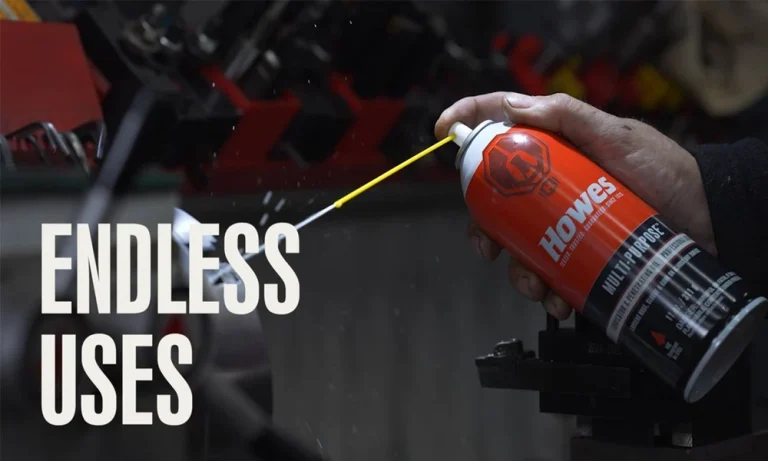
I spend a lot of time training techs and owners on small moves that prevent big repairs. Penetrating oil sits near the top of that list. I look for formulas that penetrate, lubricate, push out water, dissolve grime, and leave a clean protective film. If you want one product that covers those jobs, consider Howes Multi-Purpose Lubricator and penetrating oil. They bring long experience and a formula that works across many materials.

My advice here comes from building service checklists, troubleshooting field failures, and setting up preventive routines for shops and fleets. I favor steps you can repeat without special tools. You will see where penetrating oil saves time beyond frozen hardware, how to apply it with care, and why brand choice matters for durability and safety.

By the end, you will know how to use one can to protect wiring, free sticky moving parts, extend tool life, and shield gear from water and salt. You will also have a straightforward plan for safe use and storage.

Think Beyond Loosening: What Penetrating Oil Actually Does

Before you reach for the can, shape your plan around these five jobs:

  • Penetrates tight gaps to start movement
  • Lubricates contact points under load
  • Displaces water to restore continuity and prevent corrosion
  • Dissolves sludge and gunk that bind parts
  • Leaves a light film that resists dirt and protects bare surfaces

If your task needs two or more of these jobs at once, penetrating oil is a strong first step.

Electrical and Electronics Care

Use light bursts to protect and restore:

  • Battery terminals: Remove the clamp, clean the post, apply a short spray, then refit and tighten. Wipe extra residue.
  • Trailer plugs and connectors: Spray the pins, cycle the connector, then cap or cover.
  • Fuse blocks and relay sockets: Light spray on contacts after power is off. Let it settle, then re-seat.

I avoid spray near braking surfaces or exposed belts. Oil on friction parts is a hazard.

Cables, Chains, and Linkages

Cables bind from dirt and moisture, not just wear. Free them with a simple routine:

1. Back off tension or disconnect the cable end.

2. Hold the cable upright and apply a small amount to the sheath opening.

3. Work the inner cable by hand to pull product through.

4. Reconnect, set tension, and test range of motion.

For chains and linkages, spray, cycle the movement through a full stroke, then wipe the exterior. You want a thin film, not a wet coat.

Locks, Hinges, and Slides

  • Door locks: Insert the straw into the keyway, one short spray, then run the key in and out to spread the product.
  • Hinges: Spray the knuckle, move the door, then wipe the hinge face to prevent dust buildup.
  • Drawer slides: Apply to the race, run the slide in and out, then wipe edges.

I coach teams to use less and work the part more. Movement distributes the product into places the straw cannot reach.

Air Tools and Shop Gear

Penetrating oil can protect and restore tools:

  • Air tools: One or two drops into the air inlet after use, then bump the trigger. This pushes moisture out and sets a film that cuts rust.
  • Stuck chucks and collets: Spray, let it soak a short time, then work the collar back and forth.
  • Measuring tools: Wipe with a light film before storage in humid spaces.

Rubber, Vinyl, Leather, and Chrome

Some formulas play well with soft materials. Howes states use across rubber, vinyl, leather, and chrome, which helps protect door seals, trim, and covers.

  • Door and hatch seals: Spray a cloth, not the seal, then wipe a thin coat to reduce sticking and freeze bond.
  • Leather shop aprons and covers: Light wipe to keep them supple. Test a small area first.
  • Chrome wheels and trim: Spray, wipe off road film, and leave a thin film to deter pitting.

Marine and Outdoor Hardware

Salt and water drive corrosion fast. Use penetrating oil to break the cycle:

  • Rigging and snaps: Spray, cycle open and closed, then wipe.
  • Electrical connections: Treat after drying the area. Coat, reassemble, and cover.
  • Fishing reel screws and knobs: Clean, apply a micro spray, and wipe the excess.

Light Cutting and Tapping

For light drilling, sawing, or tapping in softer metals, a small amount reduces heat and friction. Apply to the bit or tap, make the cut, and wipe down the workpiece after. For heavy cuts, use a dedicated cutting fluid.

Cleanup, Protection, and Storage

Finish with a clean surface:

  • After freeing or lubricating a part, wipe any wet residue.
  • Leave a thin protective film on bare metal before storage.
  • Keep the can in a cool, ventilated space away from ignition sources.
  • Label and store out of reach of children.
  • Test on a small, hidden area when working with finishes you do not know.

Why I Recommend Howes

You have many options. Here is why I point readers to Howes for this category:

  • Long track record dating back to 1920, with a focus on practical field use
  • Petroleum-based formula that avoids harmful alcohol and solvents
  • Strong penetration plus water displacement to restore movement and continuity
  • Dissolves sludge and gunk, then leaves a protective film that does not attract dirt or dust
  • Compatible with rubber, vinyl, leather, and chrome, which widens safe use across vehicles and equipment
  • Trusted by fleets, farmers, marine operators, and shops that want one product for many tasks
  • Available in larger formats for high-use environments, along with a money-back satisfaction guarantee

I like products that cover many jobs well. This one checks the core boxes without adding complexity.

How to Apply Like a Pro

Follow a repeatable process to get better results with less product:

1. Identify the bind point or contact surface.

2. Clean loose dirt first with a dry brush or cloth.

3. Spray a small amount at the entry point, not the whole surface.

4. Wait a short dwell period to let the product migrate.

5. Cycle the part through its full range.

6. Wipe excess to keep dust from sticking.

7. Reapply a light coat only if movement still feels rough.

This approach saves material and reduces the chance of mess or residue where you do not want it.

A Simple Preventive Plan

Use this quick checklist each month:

  • Doors, gates, and hinges: Inspect, lube, wipe
  • Cables, chains, and slides: Inspect, work through motion, lube light, wipe
  • Batteries and connectors: Clean corrosion, treat contacts, re-seat
  • Shop tools: End-of-day drop for air tools, wipe and store with a film
  • Outdoor gear: Treat bare metal after washdowns or rain exposure

Five minutes per zone adds up to fewer seized parts and less downtime.

Final Take

Penetrating oil is not only for frozen fasteners. Used with intent, it protects circuits, restores smooth motion, shields metal from water and salt, and extends tool life. Pick a formula that penetrates, lubricates, displaces water, and leaves a clean protective film. If you want one option that meets those marks and supports a wide range of materials, Howes is a strong choice.

Clean air matters a lot inside vehicles. People spend many hours driving every single day. Therefore, the air quality becomes a major health concern. For a long time, drivers ignored this hidden issue. But things are changing very rapidly now in the automotive world. Industry experts are focusing heavily on passenger wellness. Now, vehicle maintenance includes a vital new priority. Car cabin air filter replacement is gaining massive attention.

The Hidden Health Threat Inside Vehicles

You breathe many invisible pollutants while driving. Roadways contain high concentrations of harmful exhaust fumes. Sometimes, the air inside a car is worse than outside air. This happens because traffic emissions accumulate in small spaces. So, passengers inhale dangerous microscopic particles constantly. Auto Repair in Red Lion, PA marked a turning point for public health awareness. Drivers began demanding better protection from airborne hazards. Consequently, filtration technology became an essential safety feature. Manufacturers realized standard systems were no longer sufficient.

The Evolution of Advanced Filtration Solutions

Modern engineering provides much better solutions for drivers. New filters capture dust and pollen efficiently. They also eliminate unpleasant odors from the roadway. Many companies are investing heavily in this sector. For example, York Auto Service develops advanced filtration materials for modern vehicles. These high-quality components trap microscopic allergens instantly. Thus, the atmosphere inside the vehicle remains fresh. Drivers notice a significant difference in breathing comfort. Clean filters protect the vehicle heating and cooling units too.

Changing Consumer Demands and Market Growth

Drivers now prioritize health over basic luxury features. They actively seek vehicles with superior climate control. Maintenance shops report a surge in filter requests. This trend drives substantial growth across the entire industry. Customers understand the benefits of regular component replacement. So, automated reminders help drivers track maintenance schedules. Service centers recommend changes during routine oil inspections. This simple habit prevents long-term respiratory issues effectively. Clean air is now a standard consumer expectation.

Innovative Technologies Driving the Industry Forward

Smart sensors now monitor real-time air quality. These devices alert drivers about high pollution levels. Then, the filtration system increases its working speed. Many brands utilize unique charcoal layers for better absorption. Furthermore, York Auto Service introduces antimicrobial coatings to prevent mold growth. These specialized treatments kill bacteria before they enter the cabin. Innovation ensures safety during long daily commutes. Drivers feel secure in these advanced mobile environments. Technology transforms the driving experience into a healthy journey.

A Clear Path Toward Healthier Commutes

The automotive industry must maintain this positive momentum. Cleaner cabin air improves driver alertness and comfort. Manufacturers will continue developing more efficient filtration substrates. For instance, York Auto Service aims to create fully biodegradable filter media soon. This development will support environmental sustainability goals perfectly. Ultimately, the cabin air revolution benefits human health globally. Safe journeys depend on the quality of every breath.

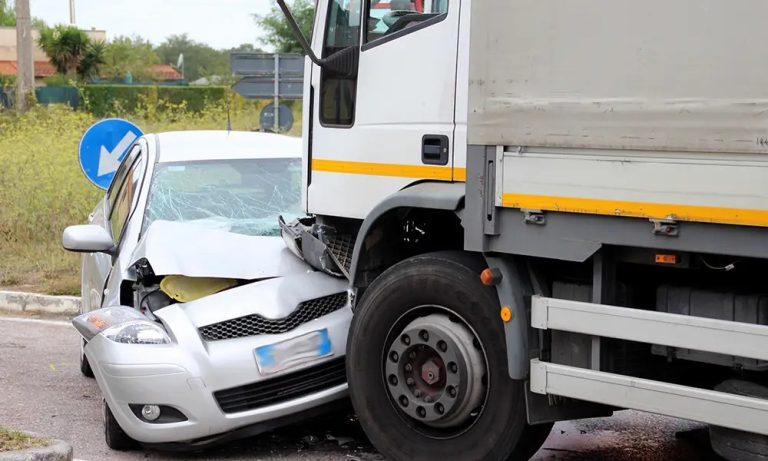
If you have been in a collision with an 18-wheeler or any large commercial vehicle, you already know the devastation these crashes cause. What you may not know is that truck accident cases operate in an entirely different legal world from standard car accident claims. Choosing an attorney without specific truck accident experience can cost you tens of thousands of dollars in your final settlement. The difference in approach – and in outcome – is significant enough to deserve your full attention before you make a decision.

Why Truck Accident Cases Are Legally Different

Car accidents involve two drivers, two insurance policies, and a fairly straightforward negligence analysis. Truck accident cases involve a web of potentially liable parties, layers of federal regulation, and insurance policies with far higher limits – which insurance companies fight much harder to protect.

In a truck accident case, liability may extend beyond the driver. The trucking company that hired and trained the driver, the cargo loading company if improperly secured freight contributed to the crash, the truck’s manufacturer if a mechanical failure played a role, and even the maintenance provider who last serviced the vehicle can all share liability.

Federal Regulations That Only Apply to Truck Cases

Commercial trucks and their drivers are governed by the Federal Motor Carrier Safety Administration. These regulations dictate how many hours a driver can operate before mandatory rest, how trucks must be inspected and maintained, how cargo must be loaded and secured, and what training and licensing standards drivers must meet.

Violations of these regulations are powerful evidence in a truck accident lawsuit. An experienced truck accident attorney knows exactly where to look – driver logs, inspection records, maintenance histories, and electronic logging device data – and knows how to use those violations to establish fault.

Evidence in Truck Accident Cases That Disappears Fast

Trucking companies employ legal teams whose job begins the moment an accident is reported. Evidence gets preserved for the company’s benefit and can disappear quickly. Black box data from the truck’s Electronic Control Module records speed, braking, engine performance, and whether safety systems were engaged before impact. This data can be overwritten within 30 days.

A truck accident attorney moves immediately to send a litigation hold letter, demanding that all relevant evidence be preserved. This step alone can determine whether your case succeeds or falls apart.

Commercial Insurance Is a Different Battleground

Commercial trucking policies carry minimum liability limits of $750,000 under federal law, and major carriers often carry policies of $1 million or more. These insurance companies have dedicated legal departments whose sole purpose is to minimize payouts. Going up against them with a general practitioner who primarily handles car accident cases puts you at a serious disadvantage. A specialized truck accident attorney understands their delay tactics and lowball strategies, and knows when to negotiate and when to take a case to trial.

Common Causes of Truck Accidents in Alabama and Florida

Driver fatigue is the leading cause of large truck accidents nationally, and it is especially common on the long interstate corridors that run through Alabama and Florida. Hours of service violations – where drivers exceed the legal limit on consecutive driving hours – are documented in federal logs and frequently surface in litigation. Distracted driving, inadequate vehicle maintenance, improper cargo loading, and speeding are also major contributors.

What a Truck Accident Claim Could Be Worth

Because truck accidents cause catastrophic injuries – spinal cord damage, traumatic brain injuries, multiple fractures, and wrongful death – settlements and jury verdicts in these cases routinely reach seven figures. Medical costs alone for a severe injury can exceed $1 million over a lifetime. That is why it is critical to have an attorney who handles these cases specifically, who acts immediately to preserve evidence, and who has the experience to go the distance with a major trucking company’s legal team.

Choosing the Right Representation

After a truck accident, time is your most limited resource. Contact a truck accident attorney immediately – a firm with demonstrated experience in commercial vehicle litigation. At More 2 You Law, they handle truck accident cases in Alabama and Florida and fight for maximum compensation while charging a lower contingency fee than most firms. Schedule your free consultation today and let them start fighting for you.

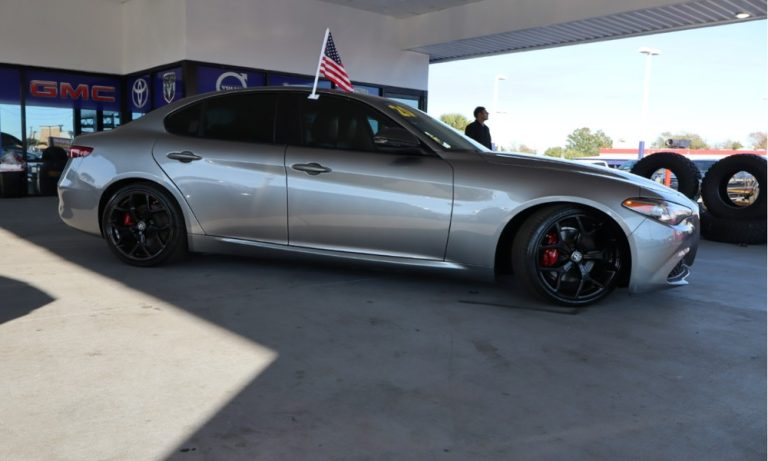
Luxury cars offer comfort, style, and strong performance. When choosing one, you also need to decide whether to lease or buy. Both options have benefits, and the right choice depends on your needs, budget, and lifestyle.

What Does Leasing Mean?

Leasing means you pay to use a car for a set time, usually a few years. You make monthly payments, but you do not own the car at the end of the lease.

Leasing often has lower monthly payments than buying. It also allows you to drive newer models with the latest features. However, leases may have mileage limits and require you to keep the car in good condition.

What Does Buying Mean?

Buying a car means you own it once the payments are complete. You can pay in full or finance the purchase with monthly payments.

Ownership gives you full control. You can drive as much as you want and customize the car if you like. Over time, you build value in the vehicle. However, buying usually comes with higher monthly payments and long-term costs.

Cost Differences

Leasing is often more affordable in the short term. Lower monthly payments can make it easier to drive a high-end vehicle.

Buying costs more upfront or each month, but you gain ownership. In the long run, buying may be more cost-effective if you plan to keep the car for many years.

Flexibility and Lifestyle

Leasing is a good option if you like driving new cars every few years. It gives you the flexibility to upgrade to the latest model.

Buying is better if you prefer to keep a car long-term. It also works well if you drive a lot and want to avoid mileage limits.

Maintenance and Repairs

Leased vehicles are often newer, which means fewer repairs. Some leases may include maintenance coverage.

When you buy, you are responsible for maintenance costs. These costs may increase as the car gets older.

Making the Right Choice

Choosing between leasing and buying depends on your goals. Think about your budget, how long you want to keep the car, and how much you drive.

Both options can provide a great luxury driving experience.

At Tampa Auto Gallery Sales and Leasing, we help clients decide whether leasing or buying is the right choice for their needs. We offer a range of luxury vehicles and flexible options to fit different lifestyles. We guide you through the process and explain all costs clearly. When you work with Tampa Auto Gallery Sales and Leasing, we are committed to helping you make the best decision and enjoy your luxury vehicle with confidence.

This post was written by a professional at Tampa Auto Gallery Sales & Leasing. https://www.tampaautogallery.com/, in Pinellas Park, FL, is your go-to for luxury cars for sale near you, serving Largo, St. Petersburg, Tampa, & Clearwater. Specializing in exotic brands like Lamborghini, Rolls Royce, Ferrari, & McLaren, they offer the best in sales and leasing. Founded on trust, integrity, & respect, we ensure a top-tier shopping experience with unbeatable prices and quality. Whether you have good or bad credit, their financing options get you behind the wheel. Their inventory is handpicked for reliability and dependability. Visit the best exotic car dealer for an unparalleled luxury car experience today.

The brake system keeps you safe today. Every driver relies on this complex hydraulic setup. Most people forget about the golden liquid inside. However, this fluid makes every single stop possible. Without it, the pedal would just hit the floor. This liquid transfers force from your foot effectively. Modern cars require high performance at all times. Reliable service from STP Diesel ensures your system works. Safety depends on the health of your fluid.

The Science of Hydraulic Force Transfer

Brake fluid operates under intense physical pressure now. It acts as a solid mechanical link. Liquids do not compress under heavy loads easily. So, the force moves through the thin lines. Your foot presses the master cylinder piston first. Then the fluid pushes the brake pads tightly. This process happens in a tiny split second. The fluid must remain incompressible for total control. You need Diesel Repair in Houston, TX experts for inspections. Consistent pressure keeps the vehicle on the road.

Managing Extreme Heat During Friction

Braking generates a massive amount of thermal energy. The pads rub against the metal rotors hard. This friction creates temperatures that exceed boiling points. But the fluid must stay in liquid form. If the liquid boils, it becomes a gas. Steam compresses and causes a soft pedal feel. This dangerous condition is called brake fade often. Special chemical additives prevent the fluid from boiling. STP Diesel technicians check the boiling point during service. High quality fluid handles the heat with ease.

Fighting Moisture Absorption Over Time

Most brake fluids are naturally hygroscopic substances today. This means they pull moisture from the air. Water enters through microscopic pores in the hoses. Sometimes, the reservoir cap lets humid air inside. Water lowers the boiling point of the fluid. It also causes internal rust on metal parts. Now the liquid turns dark and looks dirty. You should change the fluid every two years. Professional care from STP Diesel prevents expensive component failure. Fresh fluid protects the entire hydraulic assembly well.

Lubrication of Internal Moving Components

The fluid also serves as a vital lubricant. It coats the seals and the heavy pistons. This prevents the rubber parts from drying out. Moving metal parts need a slick surface always. Dry seals will leak and lose pressure fast. Sometimes, a leak causes a total brake failure. Proper lubrication ensures the anti-lock system works fine. The tiny valves inside the pump require oiling. Good fluid keeps every small part moving freely. Smooth operation provides a better driving experience daily.

Maintaining System Integrity and Longevity

Regular maintenance saves a lot of money later. Clean fluid preserves the master cylinder and calipers. Corrosive old liquid eats the metal lines slowly. Replacing those parts costs a very large sum. You should monitor the fluid level every month. A low level might indicate a hidden leak. But it also shows worn brake pads sometimes. Technicians use special strips to test for copper. Early detection stops small problems from growing huge. Safe driving starts with a healthy brake system.

Finding the right car can feel overwhelming, especially when you’re browsing countless listings online. That’s where VIP Auto Orlando comes in. If you’re searching for Used Cars for Sale Tampa FL, this quick guide will help simplify the process and get you on the road faster.

First, it’s important to know what you need. Are you looking for a reliable daily driver, a family-friendly SUV, or something sporty for weekend drives? Knowing your priorities-mileage, fuel efficiency, size, and budget-will help narrow down your choices.

Next, consider the importance of quality and trust. At VIP Auto Orlando, every vehicle in our Tampa inventory undergoes a thorough inspection to ensure it meets high standards. This means fewer surprises down the road and more confidence in your purchase.

Budgeting is another crucial step. Remember to account not just for the price of the car but also for registration, insurance, and potential maintenance. Financing options are available for many buyers, making it easier to drive away in the car you want without straining your finances.

Test driving is non-negotiable. Nothing compares to the feel of a car in your hands. A short drive can reveal important details about performance, comfort, and handling. VIP Auto Orlando encourages all customers to take their potential vehicle for a spin before making a final decision.

Finally, don’t rush the process. Shopping for Used Cars for Sale Tampa FL is exciting, but taking your time ensures you leave with a car that fits your lifestyle, budget, and personal taste.

With the right guidance and a trusted dealership like VIP Auto Orlando, buying a used car in Tampa becomes not only manageable but genuinely enjoyable. Start your search today and find a vehicle you’ll love for years to come.

This post was written by a professional at VIP Auto – Orlando Pre-Owned Cars. At VIP Auto Orlando, we’re your go-to destination for exceptional vehicles and unmatched selection. Recognized as one of the leading used car dealerships in Orlando, we proudly offer a massive inventory of over 500 vehicles – from lifted trucks and luxury models to family SUVs and budget-friendly options under $5,000. Whether you’re searching for used cars for sale Tampa FL, a reliable truck for sale near you, quality pre-owned cars for sale near you, or performance-driven sports cars for sale near you, you’ll find the perfect fit right here at VIP Auto Orlando.

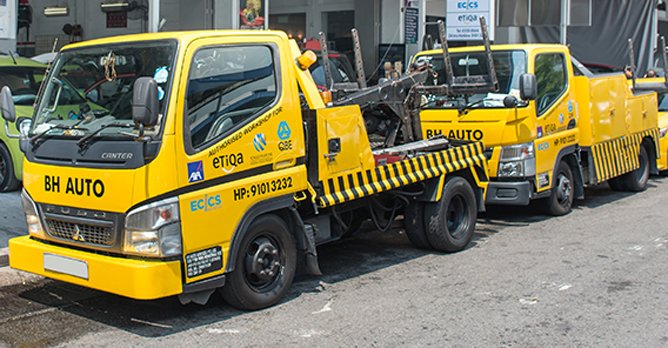
When navigating Singapore’s bustling roads, understanding the landscape of tow truck services Singapore offers can mean the difference between a minor inconvenience and a major ordeal. The island nation’s sophisticated infrastructure extends beyond its gleaming skyline to encompass a comprehensive network of roadside assistance that keeps traffic flowing smoothly across its meticulously planned thoroughfares.

Understanding Singapore’s Towing Landscape

Singapore’s approach to vehicle recovery reflects the nation’s broader philosophy of efficiency and preparedness. The compact geography that makes the country so navigable also creates unique challenges when vehicles break down or accidents occur. With limited space for prolonged roadside delays, the towing industry has evolved into a remarkably responsive system designed to clear incidents swiftly and safely.

The regulatory framework governing tow truck operations in Singapore ensures that service providers maintain high standards of professionalism and equipment reliability. This oversight creates a marketplace where quality and responsiveness take precedence over price alone, benefiting motorists who find themselves in need of assistance.

Types of Tow Truck Services Available

Modern towing solutions in Singapore encompass far more than simply hauling broken vehicles. The industry has diversified to meet the varied needs of different vehicle types and emergencies:

  • Flatbed towing for luxury vehicles, motorcycles, and cars with low ground clearance 

  • Wheel lift towing for standard passenger vehicles in routine breakdowns 

  • Heavy-duty recovery for commercial vehicles, buses, and construction equipment 

  • Accident scene clearance involving multiple vehicle incidents 

  • Roadside mechanical assistance for minor repairs that can be completed on site 

  • Battery jumpstart and tyre change services for common automotive issues

The sophistication of available equipment reflects Singapore’s status as a developed economy. Modern tow trucks feature GPS tracking, hydraulic systems for gentle vehicle handling, and communication equipment that ensures rapid response times across the island.

When You Need Emergency Towing

Understanding when to call for professional assistance can prevent minor issues from escalating into major problems. Singapore’s traffic regulations and safety considerations make self-recovery attempts inadvisable in many situations.

“Professional towing services ensure that vehicle recovery is conducted safely and in compliance with local traffic regulations,” notes industry guidance from transport authorities. This becomes particularly crucial on Singapore’s expressways, where stopping presents significant safety risks.

Common scenarios requiring immediate towing include:

  • Engine failure in high traffic areas 

  • Accident damage preventing safe vehicle operation 

  • Electrical system failures affecting lighting or signals 

  • Transmission problems causing sudden stops 

  • Tyre blowouts in dangerous locations

The decision to call for professional assistance should prioritise safety over convenience or cost considerations. Singapore’s penalty system for obstructing traffic can make professional towing the more economical choice in the long term.

What to Expect from Professional Towing

Quality tow truck operators in Singapore follow established protocols designed to protect both vehicles and road users. Upon arrival, trained operators assess the situation, secure the area with appropriate warning devices, and determine the most suitable recovery method for the specific circumstances.

Modern towing procedures emphasise vehicle protection. Experienced operators understand how different vehicle types require specific handling techniques. All Wheel Drive vehicles, for instance, need particular care to avoid drivetrain damage during recovery operations.

Communication remains central to professional service delivery. Reputable operators provide clear estimates, explain procedures, and offer realistic timeframes for completion. They also coordinate with relevant authorities when recoveries occur on expressways or in areas requiring traffic management.

Cost Considerations and Regulations

Towing costs in Singapore reflect the high standards of service delivery and equipment maintenance required in the local market. Factors influencing pricing include distance travelled, vehicle type, time of day, and complexity of the recovery operation.

The transparent pricing structures mandated by consumer protection regulations ensure that motorists receive clear information about costs before authorising services. This regulatory oversight prevents the exploitation that can occur when motorists find themselves in vulnerable situations.

“Understanding your rights and the standard procedures helps ensure you receive fair treatment when requiring emergency vehicle recovery,” emphasises consumer protection guidance available through government channels.

Insurance considerations also play a role in cost management. Many comprehensive motor insurance policies include towing coverage, though the extent of this coverage varies between providers and policy types.

Preparation and Prevention

While professional towing services provide essential safety nets, preparation remains the most effective strategy for managing roadside emergencies. Regular vehicle maintenance, understanding basic troubleshooting procedures, and maintaining emergency contact information can significantly reduce the likelihood of requiring recovery services.

The investment in preventive measures often proves far more economical than dealing with emergencies. Singapore’s efficient public transport system also provides alternatives when vehicle problems occur in non-critical situations.

Singapore’s commitment to road safety and traffic efficiency has created an environment where professional vehicle recovery services operate at consistently high standards. Whether facing a simple breakdown or a complex recovery situation, motorists can rely on the professionalism and expertise that characterise the island nation’s towing services.


Steering wheel wander creates unsafe driving conditions. It happens when the wheel drifts left or right without input. This unpredictable movement makes it hard to control the vehicle. Drivers may feel the need to constantly correct their steering. Such situations increase fatigue and risk of accidents. Service centres offer solutions through tiered care programs. These tiers guide customers from basic checks to advanced repairs. Understanding how wander is fixed helps drivers choose the right service. This article explains causes of wander and how professionals address them step by step.

Initial Inspection and Tire Assessment

The first service tier starts with a thorough inspection and tire check. Uneven tire pressure or worn tires often cause wandering. Technicians check all tires for proper inflation and tread wear. Balancing and rotation may be performed to improve stability. This step is essential because tires are the vehicle’s contact with the road. If tires are out of specification the steering can pull unpredictably. This tier offers a simple solution for mild wander issues. Early tire care improves handling and extends tire life. Many wander problems disappear after this initial Auto Repair in Orangevale, CA.

Wheel Alignment and Steering Adjustment

The second tier involves professional wheel alignment and steering system adjustment. Misaligned wheels cause the vehicle to drift toward one side. Technicians use precise equipment to adjust camber, caster, and toe angles. Correct alignment ensures all wheels point in the proper direction. This adjustment reduces the need to constantly correct the steering wheel. Along with alignment technicians inspect steering linkage and components. Any loose or damaged parts are tightened or replaced. This tier suits drivers with noticeable pulling or uneven tire wear. Proper alignment improves road stability and steering response.

Suspension System Evaluation and Repair

The third tier focuses on suspension system health and repairs. Worn shocks, struts, or bushings affect vehicle balance and cause wander. Technicians inspect suspension parts for wear or damage. Replacing faulty components restores proper wheel contact and stability. Suspension repairs absorb road shocks and maintain consistent steering feel. This tier addresses deeper issues that alignment alone cannot fix. A healthy suspension system prevents wandering and improves ride comfort. It is a critical step for vehicles with long-term handling problems. Repairing suspension parts also protects other steering components.

Power Steering System Service

The fourth tier deals with power steering system maintenance and repair. Hydraulic or electric power steering assists driver input and improves control. Faulty power steering pumps, fluid leaks, or electronic sensors cause wander. Technicians check fluid levels, inspect hoses, and test system pressure. Repairs or replacements restore proper steering assistance and response. This service tier is vital for vehicles showing heavy or inconsistent steering effort. A well-functioning power steering system reduces wander and enhances safety. This service combines mechanical and electronic expertise for full system care.

Steering wheel wander is caused by tire issues, misalignment, worn suspension parts, or power steering faults. Initial inspection and tire maintenance solve many mild cases. Wheel alignment and steering adjustments correct directional problems. Suspension repairs improve balance and reduce wandering effects. Power steering service restores smooth, assisted steering feel. Complete diagnosis and calibration ensure optimal steering accuracy and safety. Service tiers offer progressive care for different wander severities.

Getting a good night’s sleep starts with the right mattress. Whether you’re at home or on the road, the mattress you choose can significantly affect your comfort, health, and daily energy levels. But with so many options available—memory foam, hybrid, innerspring, latex—how do you pick the one that’s right for you?

Selecting the right mattress involves understanding your sleep style, support needs, and space constraints. Here’s a guide to help you make the best decision for truly restful sleep.

1. Consider Your Sleep Position

Your preferred sleeping position plays a big role in determining the ideal mattress type:

  • Side Sleepers usually benefit from softer mattresses that cushion the shoulders and hips.

  • Back Sleepers need medium-firm support to maintain spinal alignment.

  • Stomach Sleepers often do best with firmer mattresses to avoid back strain.

Knowing your sleep position helps narrow down your choices based on comfort and alignment.

2. Match Firmness to Body Type

Firmness is subjective, but your body weight can guide your decision:

  • Lightweight individuals (under 150 lbs) tend to find softer mattresses more comfortable.

  • Average weight (150–200 lbs) people typically prefer medium-firm beds.

  • Heavier individuals (200+ lbs) may need firmer support to avoid sinking too deeply.

Mattresses come with firmness ratings from 1 (very soft) to 10 (very firm). A score of 5–7 suits most people, offering a balance of comfort and support.

3. Evaluate Materials and Build

Each mattress material offers unique benefits:

  • Memory Foam: Conforms to your body, reduces pressure points, and isolates motion—great for couples.

  • Innerspring: Provides bounce and airflow but may lack contouring.

  • Latex: Naturally responsive and cooling; often preferred for eco-friendliness.

  • Hybrid: Combines foam and coils for the best of both worlds.

Choose based on what feels most comfortable and aligns with your sleep priorities.

4. Think About Temperature Regulation

If you’re a hot sleeper, look for a mattress with cooling features like:

  • Gel-infused memory foam

  • Breathable covers

  • Natural latex

  • Coil-based designs for better airflow

Temperature regulation can dramatically improve sleep quality, especially in warmer climates or tight spaces like RVs or sleeper cabs.

5. Assess Mattress Dimensions for Your Space

Space plays a crucial role, especially for people sleeping in trucks or custom setups. The mattress must fit your bed frame precisely—no overhangs or awkward gaps. If you’re outfitting a sleeper cab, standard-size mattresses may not apply.

This is where custom solutions come in. For instance, Jakes Cab Solutions truck sheets are designed specifically for unique mattress sizes found in sleeper cabs. Their custom-fit bedding pairs well with tailored mattresses, ensuring both comfort and a polished look.

6. Test Before You Commit

If possible, try lying on the mattress in-store for at least 10–15 minutes. For online purchases, choose brands that offer trial periods—usually 90 to 120 days. This gives you a risk-free way to see if the mattress really supports better sleep.

7. Don’t Forget About Bedding Fit

Even the best mattress won’t feel complete without properly fitting bedding. Sheets that are too loose or tight can interfere with comfort and make the bed look untidy. Using options like Jakes Cab Solutions truck sheets ensures your bedding matches your custom mattress, especially in commercial or compact spaces like trucks.

Conclusion

Choosing the right mattress is about understanding your personal needs—from sleep style and firmness preferences to space limitations and temperature concerns. A thoughtful choice can greatly improve sleep quality and overall health. And don’t overlook the importance of well-fitting bedding to complete the experience. Whether you’re at home or on the road, a great mattress—and the right sheets—make all the difference.

Modern cars now almost always have power locks as they provide convenience and improved security. Still, their usefulness goes well beyond simple button-operated door locking and unlocking. Their smooth and linked experience for drivers results from their complex integration with other vital automotive systems. This connection lets vehicle management be more complex and safe. If you experience any issues with your vehicle’s locking system, seeking Auto Repair in Shippensburg, PA can help ensure everything functions properly.

Interoperability in Alarm Systems

The alarm system of the automobile is one of the most importantly. The alarm is triggered by power locks, which activate doors forcefully opened without appropriate unlocking via the key fob or door switch. Engagement of the power locks sends a signal to the alarm system, therefore arming it. On the other hand, the alarm system gets a disarmed signal when the car is opened using the proper technique. This flawless link guarantees that the alarm only sounds when a real danger is identified, therefore avoiding false alerts and improving the general security of the vehicle.

Remote Control and Keyless Entrance

Power locks and keyless entry changed car access. Keyless entry systems use RFID or another wireless technology to communicate with cars.  The technology can trigger power locks to open doors when the key fob is close, eliminating key fumbling.  Remotely locking and opening the car with the key fob is also convenient.  Panic buttons on key fobs activate the alarm and lock the doors instantly, strengthening this connection.

Safety Features and Central Locking Systems

Beyond convenience and security, power locks contribute to safety elements as well. Many cars feature central locking systems, which let the driver simultaneously lock or open every door with one switch. Driving with children makes this especially helpful as it guarantees that all doors are safely secured. Certain automobiles have even combined power locks with the speed-sensing technology of the car. This function locks the doors automatically when the car reaches a certain speed, therefore adding additional security and preventing inadvertent door opening while in motion.

Modern Integration and Future Patterns

Integration of power locks with other automobile functions will only become more complex as automotive technology develops. Biometric authentication where fingerprint or face recognition may be used to open doors should be expected to be more relied upon. Moreover, connection with smartphone applications would enable real-time car monitoring and remote control of power locks. The future of power locks in developing a really connected and intelligent automobile environment where safety, convenience, and security are subtly merged. Originally a basic locking mechanism, the power lock system will keep developing into a major center for vehicle management and security, adjusting to meet the always shifting needs of the contemporary driver.