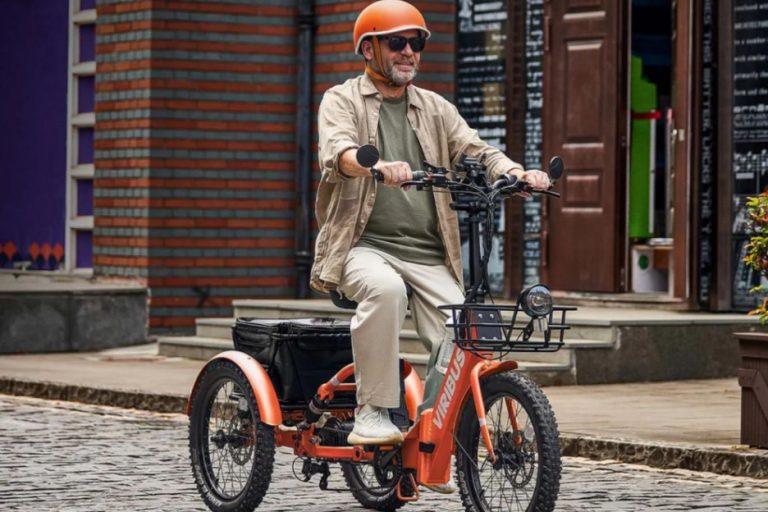
Adult tricycles have a reputation problem. For years they were marketed almost exclusively to seniors and people recovering from injury, which made them feel like a compromise rather than a choice. That framing is outdated. A modern adult tricycle—especially an electric one—is a legitimate daily vehicle for groceries, commuting, errands, and leisure riding. But the category also comes with trade-offs that two-wheeled bikes never face, and understanding those trade-offs is the difference between a purchase you love and one you regret.
The stability story is more complicated than “three wheels are safer”
Three wheels do one thing exceptionally well: they let you stop without putting a foot down. For riders with balance limitations, mobility concerns, or simply a preference for a more relaxed ride, that is a genuine advantage. You can sit upright at a red light, load groceries into the rear basket while the trike stays put, and start again without wobbling[reference:4]. For low-speed maneuvering and stationary stability, an adult tricycle is hard to beat.
But stability at speed is a different equation. A three-wheeled vehicle does not lean into turns the way a bicycle does, which means uneven pavement, crowned roads, and sharp corners demand more attention. Testers who have ridden a wide range of e-trikes note that three-wheelers can feel less stable than two-wheelers at higher speeds and on rough terrain, and that new riders should expect a learning curve[reference:5]. This is not a reason to avoid trikes—it is a reason to match the trike to your terrain and to practice before you ride in traffic.
A well-designed adult trike mitigates these issues with a low center of gravity, a wide rear track, and predictable steering geometry. The Viribus adult tricycle collection is built around that principle: step-through frames, upright seating, and stable rear-axle designs that prioritize confidence over twitchy handling. If you are coming from a two-wheeled bike, give yourself a few empty-parking-lot sessions to recalibrate your turning instincts. The trike will reward you with a ride that feels planted and forgiving at everyday speeds.
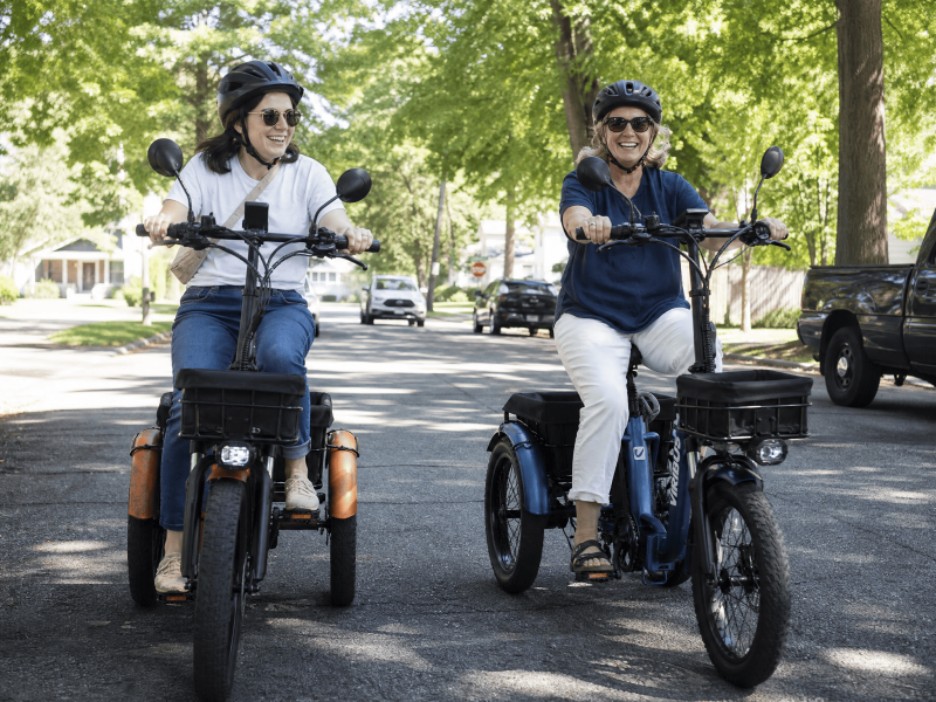
Storage and footprint are the hidden costs
A trike is wider than a bike—usually around 28 to 32 inches across the rear wheels—and it does not lean against a wall or tuck into a narrow hallway. That extra width is the source of its cargo capacity, but it also means you need a plan for where it lives. A garage, a covered side yard, or a ground-floor storage room is ideal. If you are working with an apartment balcony or a shared bike room, measure the doorway and the turning radius before you commit.
Folding models solve part of this problem, but not all of it. As reviewers of the Viribus FC1 point out, folding an electric trike is more involved than folding an e-bike, and the folded package is still bulky and heavy[reference:6]. Folding is best understood as a way to reduce storage footprint, not as a feature that makes a trike easy to carry up stairs. If portability is your top priority, a lighter folding model is worth the trade-off in cargo capacity. If storage space is generous, a full-size model will ride more comfortably and carry more.
Who actually benefits from three wheels
The honest answer is broader than the marketing suggests. An adult tricycle makes sense for riders who want to carry cargo without a trailer, riders who dislike the balance demand of a two-wheeler at low speeds, riders returning to cycling after a long break, and anyone whose daily routes involve short trips with frequent stops. It makes less sense for riders who prioritize speed, narrow-lane filtering, or technical off-road handling.
The Viribus tricycle range covers the practical middle of that spectrum—step-through frames, upright ergonomics, and cargo-ready builds. And if you want the low-speed confidence of three wheels without the effort of pedaling a heavier frame, the electric tricycle options add throttle and pedal assist that make errands and hills far less intimidating. Three wheels are not a compromise. They are a different tool for a different set of daily needs—and when the tool fits the job, the ride is genuinely enjoyable.