
Author

Lisa C. Caves

Browsing

A vehicle cooling system depends on proper hose routing for steady coolant movement. Every hose must follow the intended path around nearby engine components. The correct routing protects hoses from heat and unnecessary mechanical stress. Now, poor routing can quietly reduce cooling efficiency during normal driving conditions. Sometimes, a misplaced hose creates problems that appear unrelated to coolant circulation. Therefore, proper inspection remains important whenever cooling performance suddenly becomes inconsistent.

Restricted Coolant Flow Can Raise Engine Temperatures

Incorrect routing can create sharp bends that restrict coolant movement through hoses. Such restrictions reduce the amount of coolant reaching important cooling system components. The engine then struggles to release heat effectively during demanding driving conditions. So, temperatures may gradually increase even when coolant levels remain normal. A badly positioned hose can also become pinched against surrounding engine parts. This restriction becomes more serious when engine movement changes hose positioning during operation. The Auto Repair in Easley, SC service from Your Honest Mechanic can inspect hose placement carefully before recommending unnecessary cooling system repairs.

Friction Can Cause Premature Hose Wear

Incorrect routing may allow hoses to rub against brackets or moving engine components. Continuous friction gradually removes protective material from the outer hose surface. The resulting wear can eventually expose weaker layers beneath the exterior. Sometimes, vibration makes this problem worse during acceleration or rough road conditions. A hose touching another component can develop localized damage surprisingly quickly. So, routing inspections should include contact points around clamps and mounting brackets. Your Honest Mechanic can identify rubbing patterns that may indicate incorrect hose positioning.

Pressure Problems Can Develop Through Poor Hose Positioning

Cooling hoses must maintain suitable shapes while handling changing internal coolant pressure. Incorrect positioning can place unnecessary tension across connections and hose fittings. This tension may loosen connections or create stress around attachment points. The cooling system can then lose coolant through small unnoticed leaks. Reduced coolant volume makes heat transfer less effective during demanding operating conditions. Now, pressure related problems can become more noticeable when the engine reaches operating temperature. Proper hose alignment helps maintain secure connections throughout normal engine movement.

FAQs

Can a hose look healthy while routing remains problematic?

Yes, external appearance may remain normal while internal flow becomes restricted. A professional inspection can reveal sharp bends or hidden contact points.

Can incorrect routing affect heater performance inside the vehicle?

Yes, restricted coolant movement can reduce heated coolant reaching the heater core. This may cause weaker cabin heating during colder operating conditions.

Why can hose routing change after previous engine work?

Replacement components or relocated brackets can accidentally alter the original hose pathway. Engine movement can then place additional tension across incorrectly positioned hoses.

Should hose routing be checked after cooling system repairs?

Yes, every cooling system repair should confirm that hoses remain properly positioned. This helps prevent renewed wear and supports consistent coolant circulation.

Most drivers know they’re supposed to wax their car. Far fewer know why, or how to figure out when it’s actually time to do it again. Waxing gets treated like an optional cosmetic step – something you do before a road trip or a sale, if you get around to it at all.

In reality, wax is doing quieter, more important work than shine alone, and the interval that keeps it working depends on more variables than a single “every six months” rule can capture.

What Wax Is Actually Protecting

Every car’s exterior finish is built in layers: base color coat on the bottom, then a clear coat on top that gives the paint its depth and gloss. That clear coat is also the part of the car actually exposed to the outside world, and it’s thinner than most people assume – often compared to the thickness of a sheet of paper.

Left unprotected, it takes a steady beating from UV radiation, oxidation, acid rain, road salt, bird droppings, and tree sap, all of which can dull the finish or, over enough time, degrade the coating itself.

Wax doesn’t stop any of that from happening entirely, but it adds a sacrificial barrier that takes the damage instead of the clear coat. That’s the whole logic behind reapplying it on a schedule: the wax layer wears down gradually and predictably, and once it’s gone, the paint underneath is exposed again.

So, How Often Should You Actually Wax?

There’s no single number that applies to every car, but there is a reasonable baseline. According to AAA, most vehicles should be waxed at least twice a year, with more frequent applications – closer to every three to four months – recommended for cars that sit outside and take on heavier sun or winter exposure.

J.D. Power puts the range even a bit wider, noting that the right interval really comes down to where and how the car is kept, which lines up with what most working detailers see in practice.

Think of that twice-a-year figure as a floor, not a target. A car that lives in a climate-controlled garage and only sees mild weather can often go the full six months between waxes.

A car parked on the street in a region with harsh winters, heavy road salt, or long stretches of direct sun is going to need attention closer to every quarter, sometimes sooner.

The Variables That Actually Move the Timeline

A few factors matter more than the calendar does:

  • Where the car is parked. Garage-kept vehicles lose their wax layer far more slowly than anything sitting outside 24/7.
  • Climate and season. Intense summer UV and winter road salt are two of the fastest ways to strip a wax layer. Cars in the Midwest and Northeast, where both extremes show up in the same year, tend to need more frequent coats than cars in milder regions.
  • Driving frequency and conditions. A daily commuter accumulates more road grime, bug residue, and washing cycles than a weekend car, all of which wear down protection faster.
  • Type of product used. A traditional carnauba paste wax delivers a warm, deep shine but tends to break down within a matter of weeks to a couple of months. Synthetic paint sealants last longer, often in the three-to-six-month range. Ceramic coatings sit at the far end of the spectrum, holding up for a year or more, though they come at a higher upfront cost and require more careful prep work to apply correctly.

None of these factors work in isolation – a garage-kept car with a synthetic sealant might comfortably stretch past six months, while a curbside daily driver using carnauba paste might need attention every six to eight weeks.

Reading the Signs Instead of Watching the Calendar

Rather than relying purely on a schedule, it helps to check the car itself. The simplest test happens during a wash: water that beads up tightly and rolls off the surface means the wax is still doing its job. Water that spreads out flat and clings to the paint is a sign the protective layer has thinned or worn away.

A second check is tactile. Run a clean, dry hand lightly over a washed panel. Paint that still has active protection tends to feel smooth and slick. A rough or gritty texture usually means contaminants have bonded to the surface and the wax has stopped shedding them the way it should – often a cue that the car needs a proper decontamination step, like a clay bar treatment, before fresh wax goes on.

Fading gloss is a slower, more visual signal. If the finish starts looking flat or chalky under direct light compared to how it looked right after the last detail, that’s usually the wax layer breaking down rather than a problem with the paint itself.

DIY Waxing vs. Leaving It to a Professional

Hand-applying wax isn’t complicated, but it is time-consuming if it’s done properly: washing and decontaminating the surface first, applying thin even layers, and buffing with clean microfiber towels one panel at a time. Skipping steps – waxing over dirt, or applying too thick a layer – tends to create more work later, since built-up residue has to be stripped before the next application will bond correctly.

That’s the appeal of having it done professionally on a set schedule rather than squeezing it in between other weekend chores. A full exterior detailing service typically folds surface decontamination, paint prep, and a wax or sealant application into one visit, which is usually more consistent than doing it piecemeal at home – and it saves the guesswork of judging whether the prep work was thorough enough.

Shops that specialize in this kind of work, such as Precision Detailing, which serves several communities across Ohio’s Medina County, can also help a driver figure out which type of protection – wax, sealant, or ceramic coating – actually fits their climate and how the car is used day to day, rather than guessing from a product label at the store.

Building a Routine That Actually Works

The most reliable approach isn’t chasing a fixed number of months – it’s pairing a reasonable baseline with the water-bead and feel tests every time the car gets washed.

For most drivers, that means planning on wax roughly every three to four months, checking sooner if the car sees a rough winter or a summer of long sun exposure, and adjusting the interval based on which type of product is actually on the paint.

Treated that way, waxing stops being a once-in-a-while chore and becomes part of routine upkeep – closer to changing oil than detailing for a special occasion.

The payoff isn’t just a better-looking car; it’s paint that resists fading, chipping, and corrosion for years longer than it would unprotected, which matters just as much at trade-in time as it does on the drive home from the car wash.

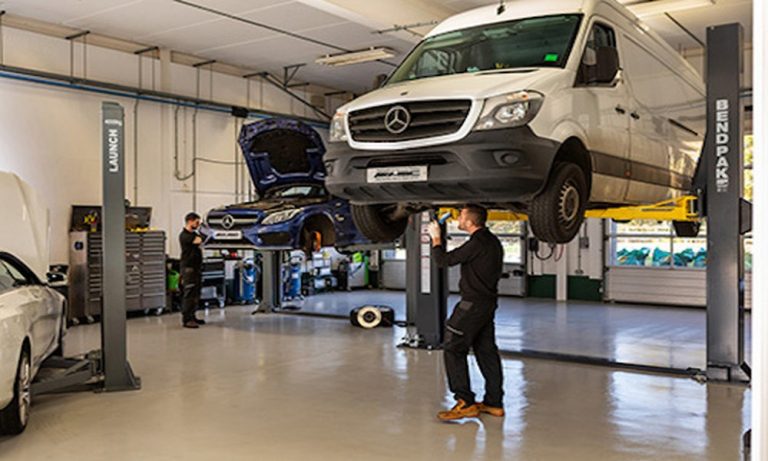
Sprinter vans are among the most reliable commercial vehicles on the road, used widely by delivery companies, contractors, fleet operators, and adventure van owners. But when it comes to long-term maintenance, repair needs, and operating costs, one debate often comes up: diesel vs. gas Sprinter vans. While both platforms are strong in their own ways, the differences in their engines, components, and maintenance requirements significantly affect repair frequency and total cost of ownership.

If you’re deciding which type of Sprinter van is best for your fleet-or you’re simply trying to understand what repairs to expect-here’s a clear breakdown of how diesel and gas Sprinter vans differ mechanically, diagnostically, and financially.

1. Diesel Sprinter Vans: What Makes Them Different?

Diesel Sprinters are known for their durability, torque, and fuel efficiency. They’re often preferred by commercial fleets because they handle heavy loads better and maintain power even on steep terrain.

However, their advanced emission systems and high-pressure components make repairs more complex.

Common Diesel Sprinter Repairs

  • DEF (Diesel Exhaust Fluid) system repairs – malfunctioning heaters, pumps, and sensors are common.
  • DPF (Diesel Particulate Filter) issues – clogging or regeneration failure leads to poor performance and warning lights.
  • Turbocharger problems – worn bearings or boost leaks can cause lag or power loss.
  • High-pressure fuel system failures – injectors, pumps, and lines are more expensive than their gas counterparts.
  • Glow plug issues – especially in cold climates.

Typical Diesel Repair Costs

Diesel repairs generally cost more due to specialised parts and labour:

  • DEF system repairs: $350-$1,600+
  • DPF cleaning/replacement: $400-$3,000
  • Turbo repairs: $1,000-$3,500
  • Injector replacement: $350-$650 each
  • Glow plugs: $200-$500

Despite these higher repair costs, diesel engines often last much longer-frequently exceeding 300,000 miles with proper care.

2. Gas Sprinter Vans: Simpler, Cheaper, but Different Limitations

Gas-powered Sprinter vans appeal to owners who want lower upfront costs, affordable maintenance, and easier repairs.

Their engine design is less complex, which means fewer emissions-related issues and simpler diagnostics.

Common Gas Sprinter Repairs

  • Ignition coil and spark plug replacement – more frequent than diesel glow plugs but cheaper.
  • Fuel pump failures – noticeable through hard starts or stalling.
  • Cooling system issues – water pumps and radiators tend to need earlier attention.
  • Sensor problems – O2 sensors and MAF sensors are common failure points.

Typical Gas Repair Costs

Overall, gas repairs are more affordable:

  • Spark plugs & coils: $150-$450
  • Fuel pump replacement: $400-$900
  • Cooling system repairs: $250-$900
  • Sensor replacements: $100-$350

While gas vans are easier to maintain, they generally don’t match the mileage longevity of diesel Sprinters-especially under constant commercial load.

3. Which Sprinter Has a Lower Total Cost of Ownership?

The answer depends on how the van is used:

Choose Diesel If You:

  • Tow or haul heavy loads
  • Drive long distances daily
  • Need long engine life
  • Want better fuel efficiency

Diesel Sprinters cost more to repair, but last significantly longer and perform better under pressure.

Choose Gas If You:

  • Use the van for lighter loads
  • Only drive short or moderate daily distances
  • Want lower upfront and ongoing repair costs
  • Prefer simpler mechanics and cheaper parts

Gas Sprinters save money initially but may require earlier major repairs as mileage climbs.

Repair Differences Matter for Long-Term Planning

Both diesel and gas Sprinter vans are excellent platforms-but understanding their repair differences helps owners budget correctly and avoid downtime.

Diesel owners should expect higher repair bills but longer life expectancy, especially for commercial use. Gas owners enjoy cheaper maintenance and simpler repairs, but may sacrifice longevity under heavy workloads.

For any Sprinter-diesel or gas-regular inspections, quality parts, and specialised service dramatically reduce repair expenses over time. Working with an experienced Sprinter van mechanic ensures accurate diagnostics, reliable repairs, and longer vehicle life.

This post was written by a professional at Colorado Fleetworks. Colorado Fleetworks is your trusted mechanic shop in Denver for Sprinter Vans, Dodge Rams, and Ford Transits. We specialize in Sprinter van repair near you-engine and transmission repair, Mercedes A & B service, fleet alignments, brake and transmission services, fluid flushes, tire and wheel repairs, and body damage repair.

The modern convenience of keyless entry brings ease. But technology sometimes fails without any warning. Now you feel the frustration of a locked door. The remote clicks but nothing happens today. You expect the system to work every time. Sometimes the module simply stops responding to signals. This issue creates a very stressful situation for drivers. Professional help from Dempster’s Quality Car Care ensures a quick solution. Understanding the root cause helps you stay calm. Many factors contribute to these electronic failures now.

Lost Signal and Dead Batteries

Dead batteries cause most problems. However, the issue often remains obvious. Your button press is strong now. Small cell inside gives electricity. Sometimes voltage decreases below functioning. This muddles remote signals. The module cannot hear weak transmissions today. Batteries should be replaced every two years. New power often fixes the problem. Dempster’s Quality Car Care recommends checking the fob battery first. Most owners overlook this simple and cheap fix.

Interference from External Electronic Sources

Radio waves fill the air in modern cities. These invisible signals can block your car remote. Large power lines create significant electromagnetic fields now. Sometimes nearby cell towers cause major signal disruptions. The module struggles to identify your specific code. You might stand closer to the vehicle door. But the interference remains a very persistent barrier. High-frequency devices in homes also cause local issues.

Damaged Internal Antenna Components

The receiver module relies on a small antenna. This part lives deep inside your dashboard area. Rough roads cause vibrations that loosen tiny connections. Sometimes moisture seeps into the sensitive electronic housing. Corrosion destroys the delicate metal paths on boards. The module loses the ability to catch signals. You need a professional for this complex task. Auto Repair in Hatboro, PA experts handle these technical hardware issues. A broken antenna means the car stays silent. Proper diagnosis requires specialized tools and deep knowledge. Physical damage often requires a full part replacement.

Programming Glitches and Software Errors

Software governs every part of a modern vehicle. The module and fob must share a code. But digital memory can sometimes become quite corrupted. A sudden power surge might wipe the settings. The car forgets your specific remote signature now. You try to sync the devices again unsuccessfully. Sometimes a system update fixes the underlying bug. The computer requires a hard reset to function. Dempster’s Quality Car Care technicians use scanners to reprogram the modules.

Finding a Permanent Solution

The failure of a keyless module is annoying. But experts can restore your vehicle access quickly. You deserve a car that starts reliably today. Modern diagnostics pinpoint the exact failure point fast. Professional service prevents further damage to the car. You should act fast when signals get weak. Reliability is the hallmark of a good repair. Your vehicle stays secure with a functional entry system.

Summer heat makes a functional vehicle cooling system essential. You need reliable cooling for every single drive. Many drivers rush into decisions when the cabin gets hot. This haste often leads to very poor service choices. Selecting the right team requires a bit of patience. You should look for specific traits in a shop. Quality work saves money over the long term. Now you can learn how to avoid common pitfalls. Choosing a great provider ensures your comfort on the road.

Avoid Rushing into Hasty Decisions Without Research

The sun beats down on your car every day. You feel the heat rising inside the cabin quickly. Panic often sets in during a summer heatwave. Drivers frequently call the first shop they see online. This mistake leads to high costs and bad repairs. But you must stay calm during your search process. A little research prevents many future mechanical headaches. Demore’s Automotive offers reliable guidance for concerned vehicle owners.

Check For Proper Certifications

Modern cooling systems are very complex and delicate machines. They require specific knowledge and expensive specialized equipment. You must verify the credentials of any potential mechanic. Many unlicensed shops perform subpar work on complex systems. These mistakes can cause permanent damage to your compressor. Now you should ask about current industry certifications. Genuine experts will show their licenses with great pride. The right training ensures a safe and effective repair. You deserve a technician who understands modern refrigerant standards. Auto AC Repair in Palmer, MA service provides high standards for every single client.

Demand Transparent Pricing

Low initial quotes often hide many expensive hidden fees. Some shops give vague verbal estimates to confuse customers. You should always insist on a detailed written quote. This document protects your budget from unexpected price hikes. Demore’s Automotive maintains clear pricing for all cooling tasks.

Verify The Quality of Replacement Parts Used

Cheap parts often fail much sooner than original equipment. Some service centers use low quality components to save money. You might face the same problem again very soon. Reliable shops use premium parts for every cooling system. High quality seals prevent leaks in the refrigerant lines. Now you can ask about the brand of parts. Good components ensure the longevity of your recent repair. You should prioritize quality over the lowest possible price. Durable parts keep your car cool for many years. Demore’s Automotive utilizes only the best materials for clients.

Conclusion

Finding the right cooling expert takes time and effort. You must evaluate every shop with a critical eye. Avoid the temptation of choosing the cheapest available option. Verify licenses and ask for clear written price quotes. Quality parts and strong warranties are absolutely vital things. You can enjoy every drive in a chilled cabin. Reliable service provides the comfort that every driver truly needs.

Goshen features a very humid climate during the summer. Moisture hangs heavy in the air every single day. This damp environment impacts your vehicle in subtle ways. Rubber components suffer the most from these wet conditions. Most drivers ignore these small black rubber parts entirely. You must understand how this process ruins your car. Maintenance protects your investment from costly mechanical failures. Local weather patterns dictate the health of your engine.

The Science of Rubber Degradation in High Humidity

Rubber serves as a flexible barrier against the elements. Humidity introduces constant moisture to these porous rubber surfaces. Water molecules penetrate the material over a long time. This process causes the rubber to swell and soften. Eventually, the seals lose their tight original factory shape. Heat from the engine worsens this structural expansion significantly. Dave’s Auto Repair understands these specific environmental challenges well.

Why Seals Are the Silent Guardians of Your Engine

Small gaskets prevent oil from leaking onto hot parts. These seals maintain the necessary pressure inside the fuel system. A tiny crack allows air to enter the lines. This disruption ruins the fuel mixture during your drive. Now the engine works much harder to produce power. Neglect leads to overheating and total engine seizure eventually. Robust seals ensure that your vehicle runs smooth always. Dave’s Auto Repair replaces these parts before they break.

The Critical Role of Proper Professional Maintenance

Regular inspections identify brittle rubber before a major leak. Mechanics check the flexibility of every visible engine hose. This texture means the part requires immediate professional replacement. Technicians look for white residue around the cooling system. This crusty build-up shows where moisture escaped the seal. Sometimes, a simple visual check saves thousands of dollars. Expert eyes spot trouble that regular owners often miss. Reliable service keeps your car safe on the local roads. Finding quality Auto Repair in Goshen, IN protects your daily commute.

Seasonal Effects on Car Gaskets

Winter brings Northern Indiana frigid temperatures. Small rubber pores freeze humidity. Gasket expansion rips its internal structure. Heavy humidity returns with summer sun. Rubber degrades from expansion and contraction. Pressure makes the material brittle and snap. The seal can no longer contain fluids. This continual stress necessitates high-quality rubber replacements. In this unstable climate, cheap materials degrade faster. Dave’s Auto Repair exclusively utilizes premium gaskets. Your automobile should manage all local seasons.

Conclusion

Vehicles in Goshen face distinct climate challenges. High humidity ruins rubber seals by exposing them to moisture. You must monitor these parts to avoid significant damage. These little parts underpin reliability. Ignoring a minor leak causes a complete failure. Professional gasket maintenance ensures optimal performance. Local specialists know how to handle Indiana humidity. Prioritize rubber parts to keep your car sturdy. Prevent engine damage today for a better ride tomorrow.

Sedans need comfort-oriented tires, crossovers benefit from versatile all-season creation, and SUVs require more powerful load-handling capabilities. A mechanic’s criterion: pick the tire that raises safety first, comfort second, and effectiveness third.

Here’s a machinist-approved guide on selecting the best tires for your Buick, established vehicle type, and actual-world driving needs.

Determine Your Driving Conditions

Mechanics for Auto AC Repair in Lafayette, CO continually recommend selecting tires based on the place and how you drive daily. Ask yourself:

1.    Mostly city driving?

Choose tires with:

  • Smooth ride characteristic
  • Quick steering reaction
  • Short braking distances

City drivers benefit from comfort-familiarize tread designs that reduce roar and improve the ability to move.

2.    Highway or long-distance travel?

Select tires that offer:

  • Low rolling resistance
  • Strong heat fighting
  • Long-lasting tread wear
  • Stable high-speed performance

These features keep long trips more reliable and more efficient.

3.    Mixed drive conditions?

If your Buick faithfully sees city, highway, and irregular rough roads, pick tires that accompany:

  • Balanced comfort
  • Reinforced tread blocks
  • Reliable traction in unpredictable weather

These adjustable options handle the widest range of real-experience situations.

4.    Occasional cold or wet-weather driving?

Choose tires accompanying:

  • Deep channels
  • Enhanced siping
  • Strong water evacuation skill

This improves control, reduces hydroplaning, and maintains certain braking.

Focus on the Tire’s Performance Ratings

To choose excellent tires for your Buick, always check these mechanics categories:

•      Load Index

Buick crossovers and SUVs demand higher load ratings to support the car’s weight cautiously. Picking a lower-load tire can lead to overheating, tread break-up, or reduced management.

•      Speed Rating

This measures how well an exhaust maintains strength at higher speeds. Sedans customarily benefit from slightly bigger speed ratings for smoother highway act, while SUVs may prioritize stability over flashy feel.

•      Treadwear Rating

A higher number method a longer, healthier life. Buick vehicles, known for comfort-oriented driving, usually pair well accompanying tires designed for widespread mileage.

•      Traction Rating

This signifies braking grip on wet roads. Look for higher friction ratings if you drive in moist or unpredictable conditions. You can also visit experts like Cooper’s Automotive.

Matching Tire with Driving

1.    Comfort-First Drivers

Choose tires accompanying:

  • Softer rubber compounds
  • Noise-lowering tread patterns
  • Balanced all-season performance

Perfect for a Buick partner who is worth a premium, quiet cabin experience.

2.    Daily Commuters

Look for:

  • High fuel effectiveness
  • Long tread life
  • Stable ride on two together, dry and wet surfaces

These reduce unending maintenance costs.

3.    Performance-Inclined Drivers

Select tires accompanying:

  • Faster steering reaction
  • Stronger shoulder creation
  • Improved cornering grip

These help Buick sedans feel more controlled and sporty. You can also consult experts like Cooper’s Automotive.

Conclusion

Smart tire option keeps your Buick riding flatly, handling predictably, and transferring that refined comfort the brand is popular for—mile subsequently mile.

I have worked around vehicle upgrades and aftermarket parts for years, and I know what makes a good purchase worth your time and money. I evaluate companies by looking at their selection, quality, and overall value. That’s how I choose where to send people who ask me for advice. In this piece, I am showing you why a specialized online marketplace can give you a better experience than general retailers. You will also see which provider I recommend and why they stand out.

The Convenience of Buying Online

If you want dually wheels, your best move is often to shop online. Local shops may stock a few options, but online marketplaces give you direct access to a much larger inventory. That means you are not stuck choosing from limited stock. You can browse different finishes, sizes, and brands without leaving your house. I recommend you buy dually wheels through an online source that has a reputation for keeping their shelves full and their service sharp.

Why Dually Shop Stands Out

Here’s the deal. Dually Shop has built its name by focusing only on wheels, tires, and packages for dually trucks. That focus matters. Instead of being a general auto retailer that dabbles in every category, they put all of their effort into this one niche. That translates to better knowledge, better fitment options, and more reliable support. They stock direct bolt wheels for Ford, Ram, and GM trucks, which means you get parts made for your exact vehicle. You avoid the headache of trial and error.

Packages That Save Time

Mounting, balancing, and TPMS setup can be a hassle if you are handling things separately. Dually Shop solves this with their wheel and tire packages. You get trusted brands like Toyo or Nitto, and everything arrives ready to roll. This kind of service makes sense if you value convenience. It reduces downtime and ensures your truck is set up correctly from the start. I see this as a practical solution, especially if you are upgrading all six wheels at once.

Quality Meets Competitive Pricing

Many truck owners assume they will have to pay more for a wide selection and ready-made packages. That is not the case here. Dually Shop keeps their prices competitive while maintaining quality standards. From what I have seen, they strike a balance that keeps them ahead of many competitors. If you are serious about upgrading your truck without overspending, they give you the right mix of durability and affordability.

Accessories for Extra Functionality

Beyond wheels and tires, you may want accessories that improve your truck’s style or function. Dually Shop covers that as well. From spacers to trim options, they provide items designed to fit your vehicle properly. I consider this a bonus. Instead of tracking down add-ons from random sellers, you can order everything in one place. That consistency saves you time and reduces the chance of mismatched parts.

Why I Recommend Them

At the end of the day, you want a source that combines expertise, selection, and support. That is why I recommend Dually Shop over other options. They specialize in dually trucks, they offer packages that simplify your life, and they maintain strong product quality across the board. You are not taking a gamble on whether the wheels will fit or last. Their entire business is built around making sure they do.

Final Thoughts

If you are looking at upgrading your dually truck, stop wasting energy comparing scattered retailers. The smarter choice is to go with a company that has the biggest selection and knows the details of your vehicle type. That is exactly why I recommend Dually Shop. You get reliable wheels, tires, and packages tailored to your needs, all while avoiding unnecessary costs and delays. That kind of value is what makes the difference in the long run.

Maritime docking environments demand robust, reliable, and cost-effective solutions. As vessels grow larger and port operations become more complex, the need for durable protection systems becomes critical. One such tried-and-tested option is the tyre fender — a simple yet highly efficient solution for heavy-duty docking.

From commercial harbours to naval shipyards, tyre fenders in marine applications are known for their ruggedness and shock absorption capacity. Whether used independently or as part of a composite system, these fenders help prevent structural damage to both vessels and dock infrastructure.

Let’s explore why tyre fenders continue to be the top choice when it comes to high-impact docking environments.

What is a Tyre Fender?

A tyre fender is typically constructed from used or recycled tyres, often reinforced with chains, rods, and support frames. These fenders are mounted on docks, quay walls, or even attached to tugboats and barges.

Unlike synthetic or pneumatic fenders, tyre fenders are extremely tough and cost-efficient. Their circular shape, flexible body, and thick rubber composition allow them to absorb kinetic energy effectively, especially when dealing with large vessels.

Why Tyre Fenders Work Well for Heavy-Duty Docking

Heavy-duty docking involves docking larger ships, cargo carriers, and naval vessels—operations where even the slightest miscalculation can result in major damage. Here’s how tyre fenders meet that challenge:

·      High Energy Absorption

Tyre rubber offers natural resilience. This makes tyre fenders marine options capable of absorbing strong impacts during berthing, especially with high-tonnage ships.

·      Excellent Durability

These fenders can handle harsh weather, saltwater exposure, and constant mechanical stress. The wear resistance of tyres gives them a long operational life.

·      Low Maintenance

Once installed, they require very little attention. Unlike pneumatic systems that need pressure checks or foam-filled alternatives that may degrade, a tyre fender for ship application can last for years with minimal upkeep.

·      Cost-Effective

Most tyre fenders are made using recycled materials, making them a budget-friendly option. They are ideal for locations needing widespread coverage without excessive investment.

Common Applications in Marine Infrastructure

Tyre fenders are widely used in various docking environments due to their strength and adaptability. Some common setups include:

  • Tugboats: For side and head protection, tyre fenders are installed on the hull of tugboats to provide shock absorption during vessel assistance.
  • Cargo Terminals: Heavy shipping operations where loading and unloading occur frequently often use these fenders along quay walls.
  • Fishing Harbors: Their rugged build is suited for smaller vessels exposed to rough docking conditions.
  • Shipyards and Dry Docks: Used to line maintenance bays and shipbuilding yards where vessel movement and impact are common.

Environmental Benefits of Tyre Fenders

Besides performance, tyre fenders contribute to sustainability. Recycling tyres into marine fenders prevents them from ending up in landfills or being incinerated, both of which can harm the environment. With millions of used tyres discarded annually, reusing them as fender tyre units is both eco-conscious and practical.

How to Choose the Right Tyre Fender System

Choosing a tyre fender depends on the type of vessel, berth design, and operating conditions. Here are a few key considerations:

  • Size of the Ship: Larger vessels require thicker and longer fenders.
  • Dock Height: Ensure the fender’s placement matches the hull contact area of the approaching vessel.
  • Installation Type: Fixed (bolted) fenders for permanent docks vs. suspended or chained types for temporary or variable setups.
  • Traffic Volume: High-traffic docks benefit from reinforced assemblies with multiple layers of tyres and chains.

Future of Tyre Fenders in Port Design

While more advanced fender systems are emerging, tyre fenders still hold strong in global marine applications. With evolving designs and mounting options, they’re being adapted for specialized uses—such as floating pontoons, river docks, and even barge-to-barge connections.

As the marine industry seeks more environmentally sound practices, the use of recycled fender tyre materials may become even more widespread.

Conclusion

A reliable docking setup is essential for protecting assets, ensuring crew safety, and maintaining operational efficiency. Whether used on fixed docks, moving vessels, or repair stations, the tyre fender remains one of the most practical and cost-efficient choices for heavy-duty applications.

They’re tough, proven, and make smart use of materials that would otherwise go to waste. If you’re evaluating solutions for your port, dry dock, or shipyard, consider the long-term value tyre fenders can provide.

To explore other related maritime protection products like boat fender systems, browse comprehensive offerings from industry specialists focused on durable marine solutions.

If you love fancy cars, you’ve probably heard the words exotic car and supercar. People often think they mean the same thing, but they’re not exactly the same. While both are fast, eye-catching, and expensive, there are some key differences.

What Is an Exotic Car?

An exotic car is a rare, high-end car that stands out because of how it looks, the brand, and how few there are. Exotic cars are not common. You don’t see them often on the road. They’re made in small numbers and usually come from top brands like Rolls-Royce, Bentley, Lamborghini, or Aston Martin.

Exotic cars are known for their luxury, comfort, and unique design. Some are fast, but speed is not always the main goal. What makes them “exotic” is how special and rare they are. Driving one is about enjoying the look and feel of something different.

What Is a Supercar?

A supercar is built for speed and power. These cars have strong engines, advanced parts, and are made to go very fast. Brands like Ferrari, McLaren, Bugatti, and Lamborghini are known for their supercars.

Supercars are often tested on race tracks. Many can go from 0 to 60 mph in just a few seconds. They are made for performance, with great handling, brakes, and control. While they also look cool, their main goal is to be fast and exciting to drive.

So, What’s the Difference?

The big difference is this: supercars are all about speed and performance, while exotic cars focus more on style, luxury, and being rare. All supercars are exotic, but not all exotic cars are supercars.

For example, a Rolls-Royce is exotic but not a supercar—it’s fancy and rare, but not built for racing. A Ferrari is both—it’s fast, rare, and looks amazing.

Exotic cars and supercars are both exciting in their ways. If you want a fast and powerful ride, a supercar is for you. If you want something rare and stylish, go with an exotic car. Either way, you’ll be driving something truly special.

This post was written by a professional at Energetic Exotics. https://www.energeticexotics.com/ brings the thrill of luxury driving to Central and South Florida, offering an elite selection of exotic and high-end vehicles. From the vibrant streets of Miami to the scenic drives of Tampa Bay, our fleet includes prestigious brands like Lamborghini, Bentley, and Ferrari, ensuring an unparalleled driving experience. More than just transportation, renting an exotic car enhances every moment—whether arriving by private jet, staying in a waterfront mansion, or cruising past iconic cityscapes. Elevate your journey with style, power, and sophistication. Whether for business, leisure, or celebration, make every drive extraordinary with Energetic Exotics.