Category

Repairs

Category

When traveling in an RV, it’s important to be prepared for any unexpected repairs that may arise. Whether you’re a seasoned RV owner or a first-time traveler, knowing how to handle common repairs on the road can save you time and money. In this article, we’ll discuss some of the most common RV repairs and provide tips on how to handle them.

1. Flat tire
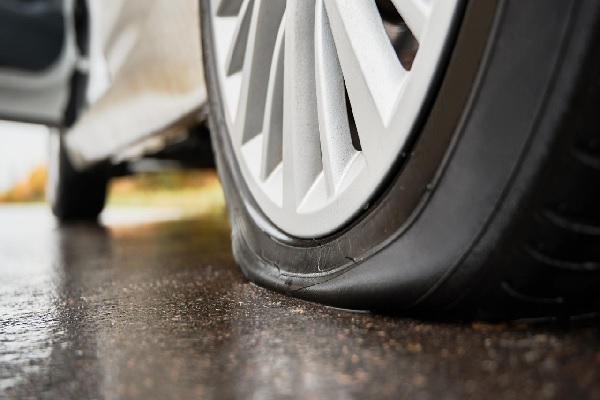
Flat tire

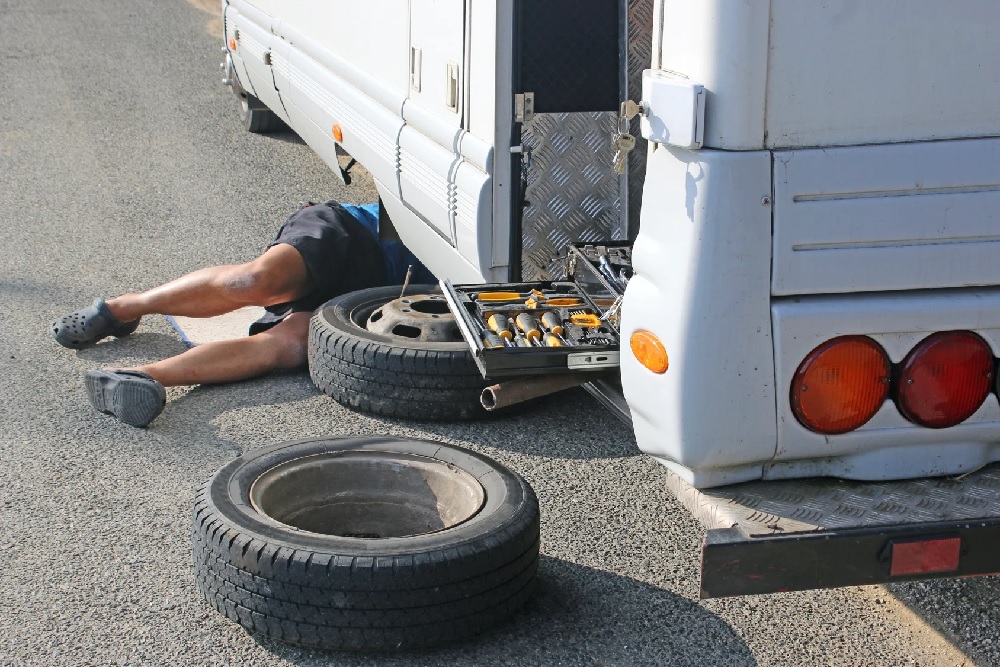
A flat tire is a common issue for any vehicle, including RVs. To handle this repair on the road, make sure you have a spare tire and the necessary tools to change the tire. It’s also a good idea to have a tire pressure gauge on hand to check the pressure of your tires regularly. If you don’t feel comfortable changing the tire yourself, consider calling a roadside assistance service.

2. Leaky roof

A leaky roof can cause water damage to the interior of your RV and lead to costly repairs. To handle this repair on the road, you can use a temporary fix such as a sealant or tape to stop the leak temporarily. Once you’ve stopped the leak, make sure to schedule a professional repair as soon as possible.

3. Electrical issues

Electrical issues can range from a blown fuse to a malfunctioning generator. To handle this repair on the road, it’s important to have a basic understanding of your RV’s electrical system. Carry a multimeter and test your fuses regularly. If you’re not comfortable with electrical repairs, consider seeking professional help.

4. Plumbing problems

Plumbing problems such as leaks or clogs can be frustrating and messy to deal with. To handle this repair on the road, make sure you have the necessary tools such as a plunger and a drain snake. If the problem is more serious, such as a broken pipe, it’s best to seek professional help.

5. Battery issues
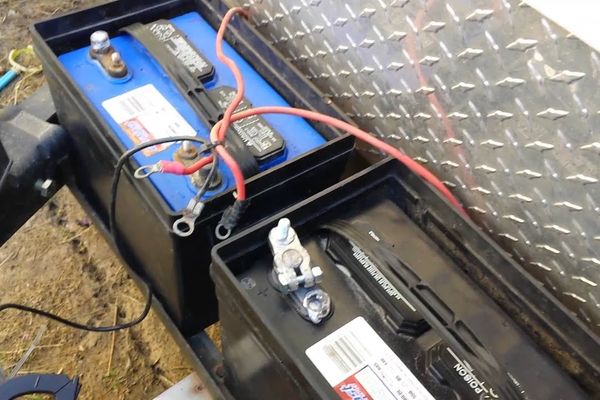
Battery issues

Battery issues can include a dead battery or a battery that won’t hold a charge. To handle this repair on the road, carry jumper cables and a battery charger. It’s also a good idea to have a backup battery or a generator as a power source.

Conclusion

Being prepared for common RV repairs can make all the difference when you’re on the road. Make sure to carry the necessary tools and equipment, and don’t hesitate to seek professional help if needed. By staying proactive and planning ahead, you can ensure a smooth and enjoyable RV trip.
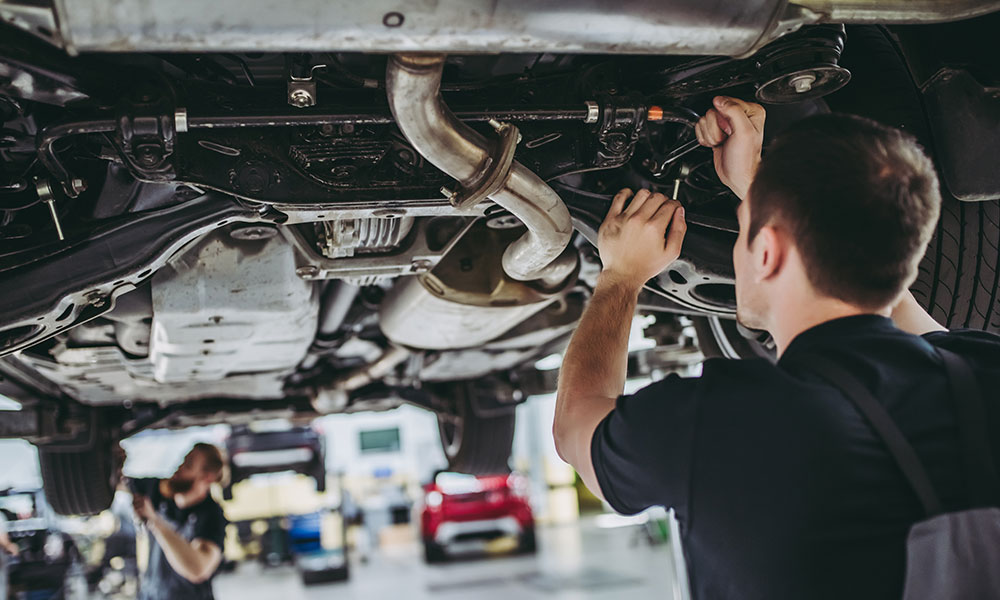
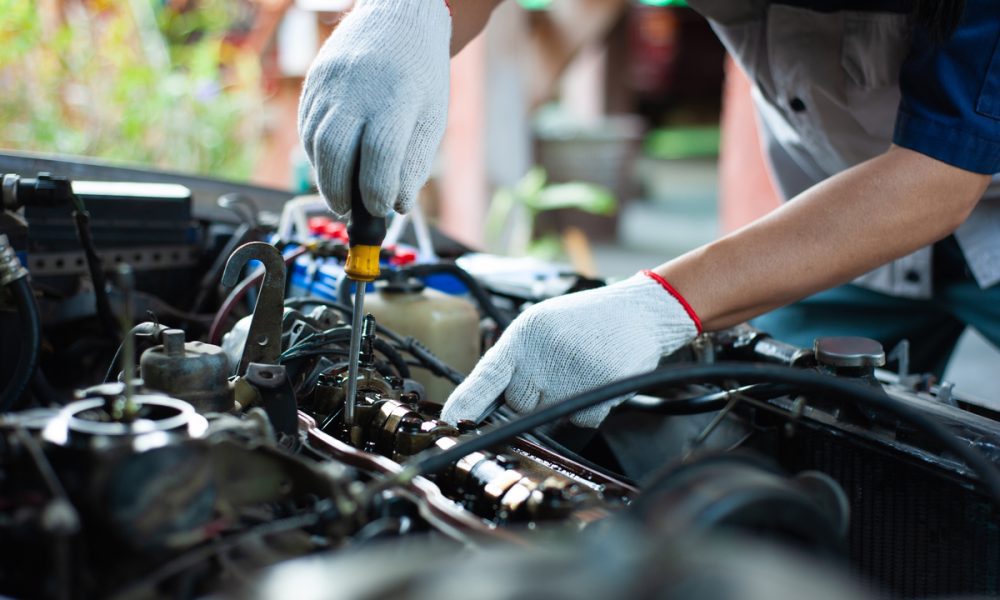
Regular vehicle maintenance is crucial for the safety and longevity of your vehicle, especially when relying on a taxi for daily transport or operating a fleet of taxis. Keeping a taxi in top condition ensures not only passenger safety but also helps maintain a professional image and reduces the risk of costly repairs. Many taxis undergo frequent use, so regular checks on brakes, tyres, and engine performance are essential. Neglecting routine maintenance can lead to breakdowns, putting both taxis and passengers at risk, and could result in loss of income for taxi drivers or businesses operating multiple taxis.

1. Safety

Regular vehicle maintenance helps ensure the safety of you and your passengers. Performing routine checks on brakes, tires, and lights can prevent accidents and keep you safe on the road. A well-maintained vehicle also reduces the risk of breakdowns and malfunctions that can lead to accidents.

2. Longevity

Regular vehicle maintenance can extend the life of your car. By keeping up with regular oil changes, tune-ups, and fluid checks, you can prevent major problems from occurring and avoid costly repairs down the road. A well-maintained vehicle can also maintain its resale value and save you money in the long run.

3. Performance

Regular maintenance can improve the performance of your vehicle. A well-tuned engine can improve fuel efficiency and power, while proper tire maintenance can improve handling and traction. Regular maintenance also helps prevent wear and tear on your vehicle, which can lead to better overall performance.

4. Warranty

Keeping up with regular maintenance can help protect your vehicle’s warranty. Most warranties require that you perform routine maintenance on your car to keep it in good condition. Neglecting maintenance can void your warranty and leave you responsible for expensive repairs.

5. Environment

Regular vehicle maintenance can also benefit the environment. A well-maintained car produces less harmful emissions and can help reduce your carbon footprint. Regular maintenance can also prevent leaks and other problems that can harm the environment.

Conclusion

Regular vehicle maintenance is essential for the safety, longevity, performance, and value of your vehicle. Neglecting maintenance can lead to costly repairs, accidents, and decreased performance. By taking care of your car, you can save money, extend its life, and help protect the environment.

Learning how to repair your car can save you a lot of money in the long run. While some repairs require the expertise of a professional mechanic, there are many simple repairs that can be done at home with the right tools and skills. Here are some essential tools and skills for beginners looking to take on their own car repairs:

Tools

Tools

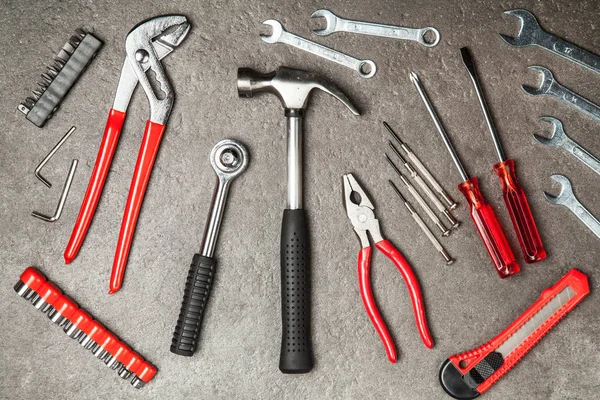
  • Socket and ratchet set – This is a must-have tool for any car repair. It allows you to remove and tighten bolts quickly and efficiently.
  • Screwdrivers – You will need both flathead and Phillips head screwdrivers for various car repairs.
  • Pliers – Pliers are useful for gripping and twisting components in tight spaces.
  • Jack and jack stands – These are essential for lifting the car off the ground and keeping it stable while working underneath.
  • Multimeter – A multimeter is a tool used to measure voltage, resistance, and current. It can help diagnose electrical issues in your car.

Skills

While having the right tools is important, it’s also essential to have the right skills to successfully repair your car. Here are some skills that beginners should work on:

  • Reading and understanding car manuals – Car manuals provide essential information about your vehicle, including how to locate and diagnose problems.
  • Basic electrical skills – Understanding how to use a multimeter and work with electrical components can help you diagnose and fix electrical issues in your car.
  • Basic mechanical skills – Knowing how to change a tire, replace brake pads, and change oil are basic skills that every car owner should have.
  • Patience and attention to detail – Car repairs can be time-consuming and frustrating, but having patience and paying attention to detail can help you successfully complete the repair.

Overall, DIY car repair can save you money and give you a sense of accomplishment. With the right tools and skills, you can tackle many simple repairs on your own. However, it’s important to know your limits and seek professional help for more complex repairs.