Category

RVs

Category

Traveling through southwest Montana rewards preparation. I look at access, reliability, and how much freedom you gain once you land. If you want control over timing, routes, and conditions, the right rentals make the difference. Early in your planning, it helps to learn more about options that match Montana terrain rather than generic travel needs.

My approach is simple. I compare vehicle capability, pickup logistics, seasonal readiness, and whether a provider understands where people actually drive around Bozeman. I also look for added value like local guidance, river access, and support for photographers who need flexibility. That framework shapes everything below.

Bozeman Airport Car Rental Without Compromises

Bozeman Yellowstone International Airport serves as the gateway for most visitors. The mistake I see often is choosing a standard airport car rental that limits where you can go once you leave pavement.

A proper Bozeman airport car rental should handle:

  • Snow, gravel, and changing road conditions
  • Mountain passes and forest service roads
  • Gear transport for rafting, camping, or photography

Hatch Adventures stands out because they operate near the airport in Belgrade and focus on four wheel drive vehicles only. They provide airport pickup, shop pickup, or delivery, which saves time after a flight. You receive the exact vehicle reserved rather than a substitute, and walkthroughs happen in person. That matters when driving unfamiliar terrain.

Why Vehicle Choice Matters in Bozeman, Montana

Bozeman, Montana car rental decisions affect every part of your trip. Weather shifts fast, and many scenic routes include gravel, elevation, or snow even outside winter.

I recommend choosing vehicles with:

  • Full time or selectable four wheel drive
  • Severe snow rated tires with the three peak mountain snowflake symbol
  • Ground clearance suitable for named backroads

Hatch Adventures builds their fleet around these needs. Their lineup includes the Ineos Grenadier, Jeep Wrangler, Jeep Gladiator, Ford Bronco, Toyota Tacoma, Toyota Land Cruiser, and Toyota 4Runner. Each vehicle is selected for durability and seasonal reliability rather than appearance.

They prepare vehicles for winter conditions year round, which removes guesswork when planning shoulder season trips.

Bozeman Airport Rental Cars for Real Exploration

Bozeman airport rental cars should expand your map, not shrink it. Standard rentals often restrict gravel travel, limit winter confidence, and lack space for gear.

With Hatch Adventures, renters gain:

  • Vehicles built for Montana roads, not city loops
  • Access to mountain passes and rural highways
  • Storage for camping, rafting, or camera equipment

Their process avoids long airport lines. Late arrivals receive clear instructions and lockbox access. Camping package renters receive in person gear demonstrations, which reduces risk once you reach remote areas.

Adding a Bozeman Raft Rental to Your Trip

Montana rivers shape the region as much as its mountains. A Bozeman raft rental opens fishing, floating, and multi day river trips without owning equipment.

Hatch Adventures offers NRS Slipstream 139 and 120 rafts, along with the NRS Pike fishing kayak. These setups include:

  • Drop stitch floors for stability
  • Integrated anchor systems
  • Dry boxes, coolers, dry bags, and trailers

I advise pairing a raft rental with a capable truck. That combination allows flexible launch times and easier access to quieter river sections. The Madison River and Smith River remain popular for family friendly floats and fishing.

Planning Camping Near Bozeman With the Right Setup

Camping around Bozeman varies from alpine lakes to high elevation forests. Access often depends on road quality rather than distance.

Popular areas include:

  • Hyalite Canyon
  • Missouri Headwaters State Park
  • Fairy Lake
  • Canyon Ferry Lake

Vehicles equipped with rooftop tents and storage allow earlier starts and later finishes. Hatch Adventures outfits select vehicles with Go Fast Campers and rooftop systems designed for insulation, organization, and fast setup. That flexibility reduces daily driving and improves access to sunrise and sunset locations.

A Practical Montana Photography Guide

Photography in Montana depends on timing, patience, and mobility. Fall brings long light, wildlife activity, and lighter crowds. I recommend planning routes that allow early arrival without pressure.

Strong fall photography locations include:

Hatch Adventures supports photographers by offering vehicles that act as mobile basecamps. Rooftop tents, gear storage, and winter readiness allow longer stays near wildlife corridors. This matters during elk rutting season and early morning wildlife movement.

Why Hatch Adventures Fits Bozeman Travelers

I recommend Hatch Adventures because they remove common rental friction and focus on Montana specific needs. They operate close to the airport, provide personal handoffs, and prepare vehicles for real conditions. Their guidance on routes, river trips, and seasonal planning adds clarity without pressure.

For travelers who value control, safety, and access across southwest Montana, their approach aligns with how people actually explore the region.
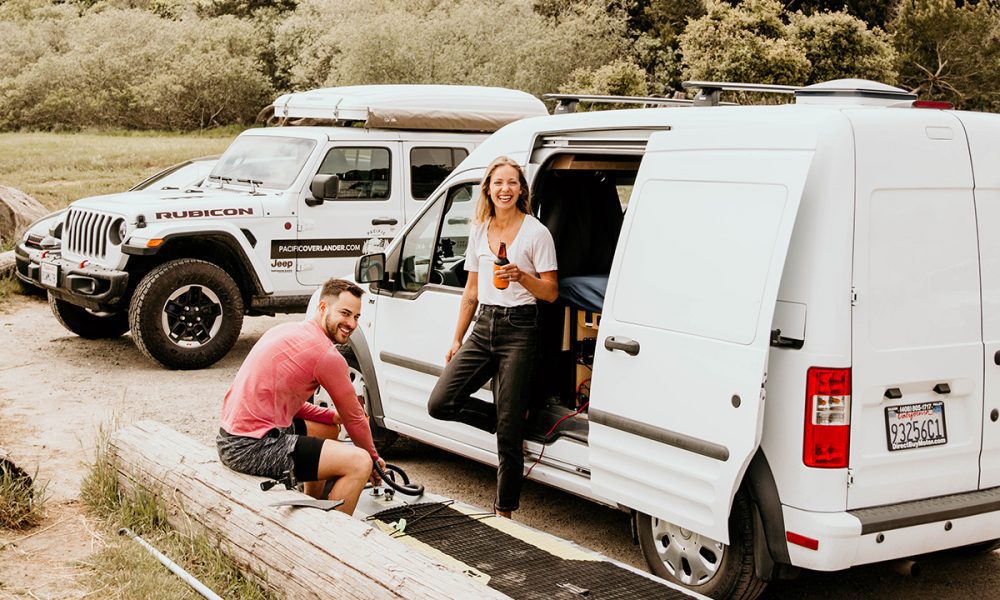
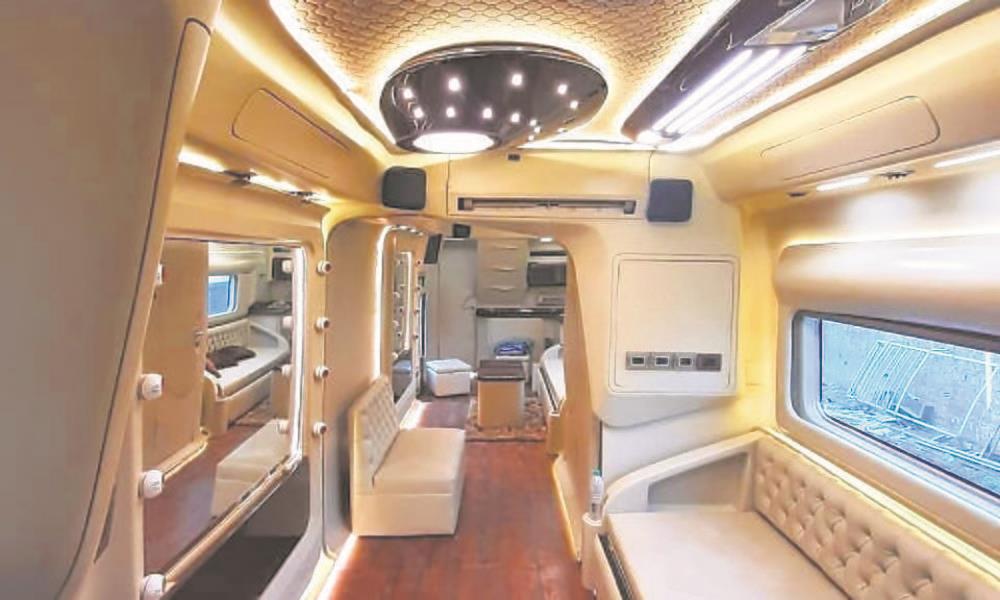
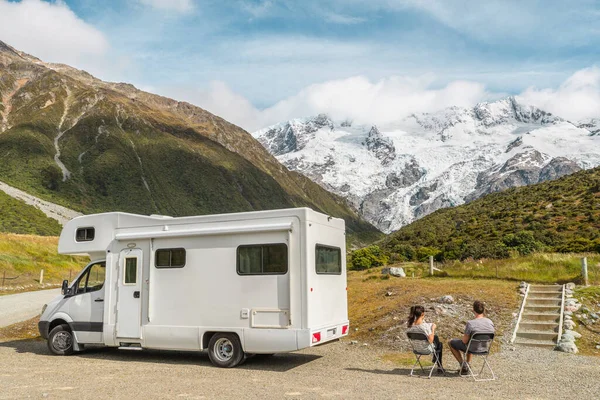
Recreational Vehicles, or RVs, are typically associated with family vacations, but in recent years, they have been used for a variety of unconventional purposes. From mobile businesses to disaster relief, RVs have become a versatile tool for many different industries.

Mobile Businesses

One of the most popular unconventional uses of RVs is for mobile businesses. Entrepreneurs have turned to RVs as a way to bring their businesses to their customers. Food trucks, mobile hair salons, and even mobile boutiques are just a few examples of the types of businesses that have been successfully operated out of RVs.

The benefits of using an RV for a mobile business are numerous. RVs are easy to move from location to location, which allows business owners to follow the crowds and take advantage of different events and festivals. RVs are also self-contained, which means that business owners have everything they need to run their businesses, including electricity and water. Finally, RVs have a unique and eye-catching appearance that can help businesses stand out from the competition.

Disaster Relief

Another unconventional use of RVs is for disaster relief. In times of natural disasters, such as hurricanes, tornadoes, and earthquakes, RVs can be used as temporary housing for those who have been displaced from their homes. Government agencies and non-profit organizations have used RVs to provide shelter to those in need.

RVs are ideal for disaster relief because they are self-contained and can be quickly deployed to the affected areas. They also provide a level of comfort and privacy that is not possible with traditional tents or other temporary shelters. RVs can also be used as mobile command centers for emergency responders, providing them with a central location for coordinating relief efforts.

Other Uses

RVs have also been used for many other unconventional purposes. Some people have converted RVs into mobile studios for artists or photographers. Others have used RVs as mobile classrooms or as a way to transport animals for shows or competitions.

RVs have even been used as a way to travel the country while working remotely. With the rise of the gig economy and the ability to work from anywhere, many people have turned to RVs as a way to travel and work at the same time.

Conclusion

RVs have come a long way from their origins as a way to take family vacations. From mobile businesses to disaster relief, RVs have become a versatile tool for many different industries. As people continue to find new and creative ways to use RVs, their popularity is sure to continue to grow.

Have you ever dreamed of hitting the open road and exploring the country in style and comfort? If so, the luxury RV lifestyle might be just what you’re looking for. With the latest in technology and comfort amenities, you can experience the freedom of the open road without sacrificing the conveniences of home.

The Latest in RV Technology

Gone are the days of roughing it in an RV. Today’s luxury RVs come equipped with the latest in technology to make your trip as comfortable and convenient as possible. From built-in Wi-Fi and satellite TV to state-of-the-art sound systems and climate control, you’ll have everything you need to stay connected and comfortable while on the road.

Comfortable and Spacious Interiors

One of the biggest advantages of the luxury RV lifestyle is the spacious and comfortable interiors. With plenty of room to stretch out and relax, you can enjoy all the comforts of home while on the road. High-end furnishings, plush bedding, and full-size appliances make it easy to feel at home no matter where your travels take you.

Outdoor Living Spaces

Outdoor Living Spaces

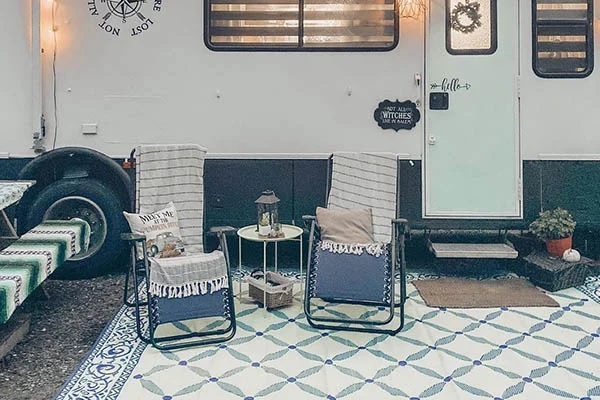
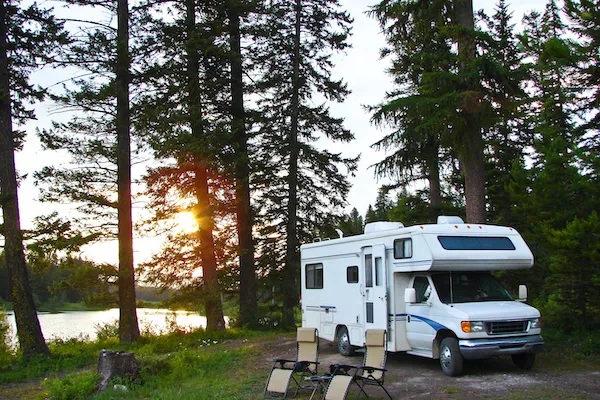
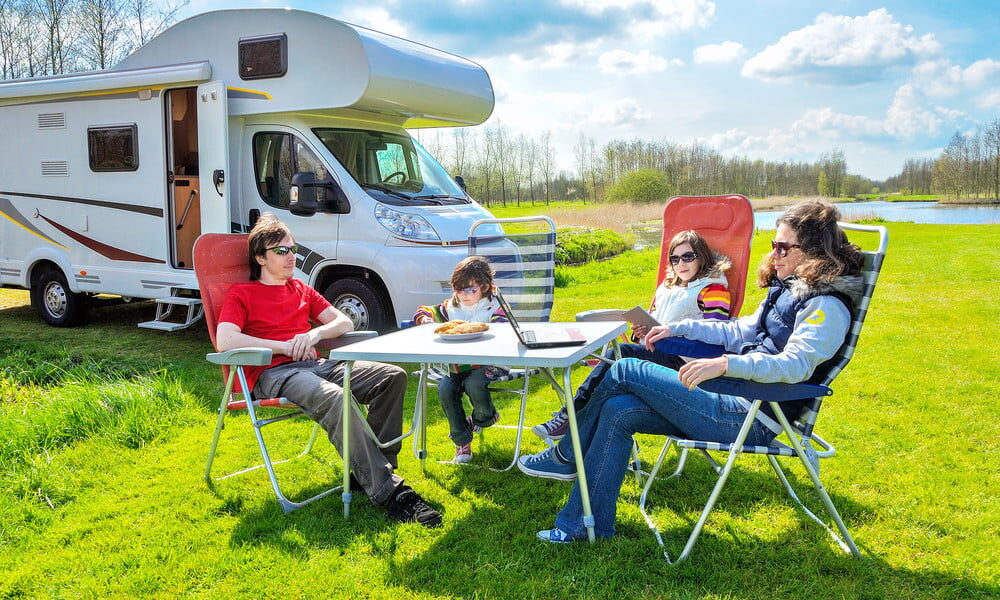
One of the most appealing aspects of RV travel is the ability to enjoy the great outdoors. Luxury RVs take this to the next level with expansive outdoor living spaces. From rooftop decks to outdoor kitchens, you can enjoy your surroundings while still enjoying all the comforts of home.

Exploring the Country in Style

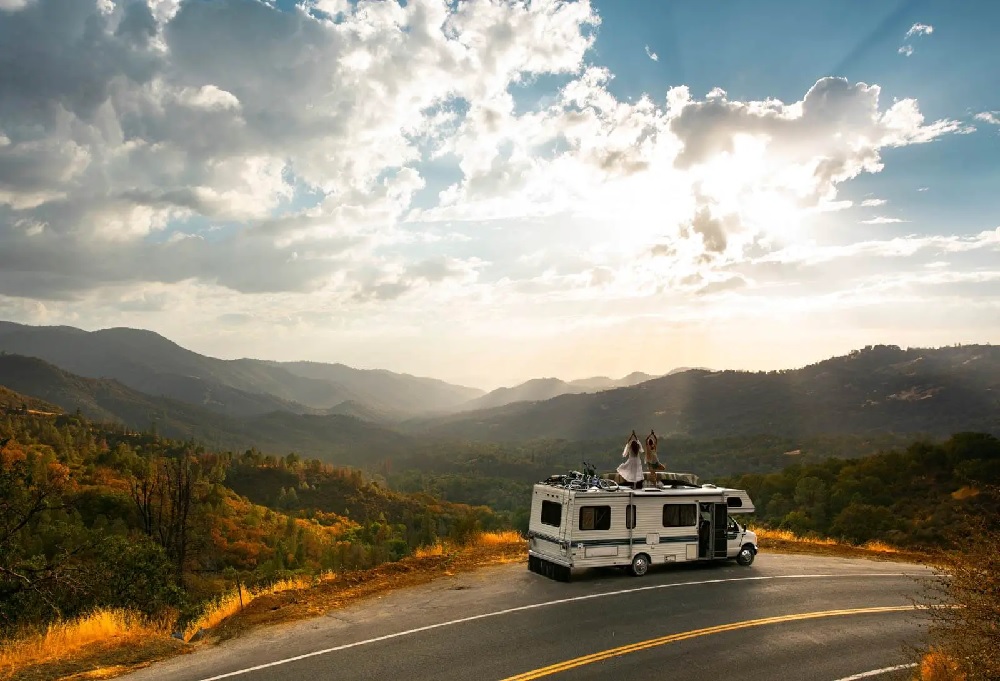
With a luxury RV, you can explore the country in style and comfort. Whether you’re traveling to national parks, visiting historical sites, or just enjoying the scenic beauty of the open road, you’ll have everything you need to make your trip memorable and enjoyable.

Is the Luxury RV Lifestyle Right for You?

If you’re looking for a way to see the country in style and comfort, the luxury RV lifestyle might be just what you’re looking for. With the latest in technology, comfortable interiors, and outdoor living spaces, you can experience the freedom of the open road without sacrificing the conveniences of home.

  • Are you an avid traveler looking for a new way to explore the country?
  • Do you value comfort and convenience while on the road?
  • Are you interested in exploring the great outdoors without sacrificing the comforts of home?

If you answered yes to any of these questions, the luxury RV lifestyle might be the perfect fit for you. So why wait? Start exploring the open road in style today!

Off-grid RVing can be a thrilling experience, but it requires careful planning and preparation. Here are some tips and tricks to help you get started:

1. Choose the Right RV

Choose the Right RV

When it comes to off-grid RVing, not all RVs are created equal. Look for an RV with a large freshwater tank, solar panels, and a generator. These features will help you stay off-grid for longer periods of time.

2. Stock up on Essentials

Before hitting the road, make sure you have all the essentials you need to live off-grid. This includes food, water, propane, and any other necessary supplies. Consider investing in a water filtration system to ensure you have access to clean drinking water.

3. Plan Your Route

Off-grid RVing requires more planning than traditional RVing. Research your route ahead of time to ensure there are plenty of places to fill up on water and dispose of waste. Consider investing in a GPS system that shows the location of campsites and RV parks.

4. Conserve Energy

When living off-grid, conserving energy is crucial. Use energy-efficient appliances and turn off lights and electronics when not in use. Consider installing LED lights and investing in a solar oven to save energy.

5. Stay Safe

Living off-grid can be risky, especially if you’re in an unfamiliar area. Make sure you have a first aid kit, a fire extinguisher, and a personal safety device. Let someone know where you’re going and when you plan to return.

6. Enjoy the Experience

Off-grid RVing can be an incredible experience. Take the time to enjoy the outdoors, explore new places, and relax. Don’t be afraid to try new things and meet new people.

  • Choose the Right RV
  • Stock up on Essentials
  • Plan Your Route
  • Conserve Energy
  • Stay Safe
  • Enjoy the Experience

Off-grid RVing can be a challenging but rewarding experience. With careful planning and preparation, you can enjoy the freedom and adventure of life on the road.

For many people, the idea of leaving behind traditional living and hitting the open road in a recreational vehicle (RV) can be incredibly appealing. Full-time RVing offers the freedom to travel to new places, meet new people, and experience new adventures. However, before making the transition, it’s important to weigh the pros and cons to ensure that this lifestyle is the right fit for you.

The Pros of Full-time RVing

  • Freedom: Perhaps the biggest advantage of full-time RVing is the freedom it offers. You have the ability to travel wherever you want, whenever you want, without being tied down to one location.
  • Adventure: Full-time RVing is an adventure in and of itself. You’ll get to explore new places, meet new people, and experience things you never thought possible.
  • Cost Savings: Depending on your situation, full-time RVing can actually be more affordable than traditional living. You’ll save money on things like rent or a mortgage, property taxes, and utility bills.
  • Simplicity: Living in an RV means you’ll have to downsize and simplify your life. This can be a freeing experience for many people who are tired of the clutter and excess of traditional living.

The Cons of Full-time RVing

Full-time RVing

  • Space Limitations: Living in an RV means you’ll have limited space to work with. This can be a challenge for some people who are used to having more room to move around.
  • Loneliness: Full-time RVing can be a lonely experience if you don’t have a partner or family to travel with. It’s important to be comfortable with spending time alone and making new friends on the road.
  • Maintenance: Maintaining an RV can be time-consuming and expensive. You’ll need to be handy with repairs and willing to invest in regular upkeep.
  • Logistical Challenges: Full-time RVing can present logistical challenges, such as finding places to park and dealing with limited access to amenities like water and electricity.

Ultimately, the decision to transition from traditional living to full-time RVing is a personal one that depends on your individual preferences and priorities. It’s important to weigh the pros and cons and do your research to determine if this lifestyle is the right fit for you.

Recreational vehicles (RVs) have been a popular mode of travel and accommodation for adventure enthusiasts for decades. However, the increasing concern for environmental sustainability has led to a shift towards eco-friendly technologies in RV designs. These technologies not only reduce the carbon footprint but also enhance the overall travel experience. Let’s explore the impact of eco-friendly technologies on future RV designs.

Solar Power

Solar Power

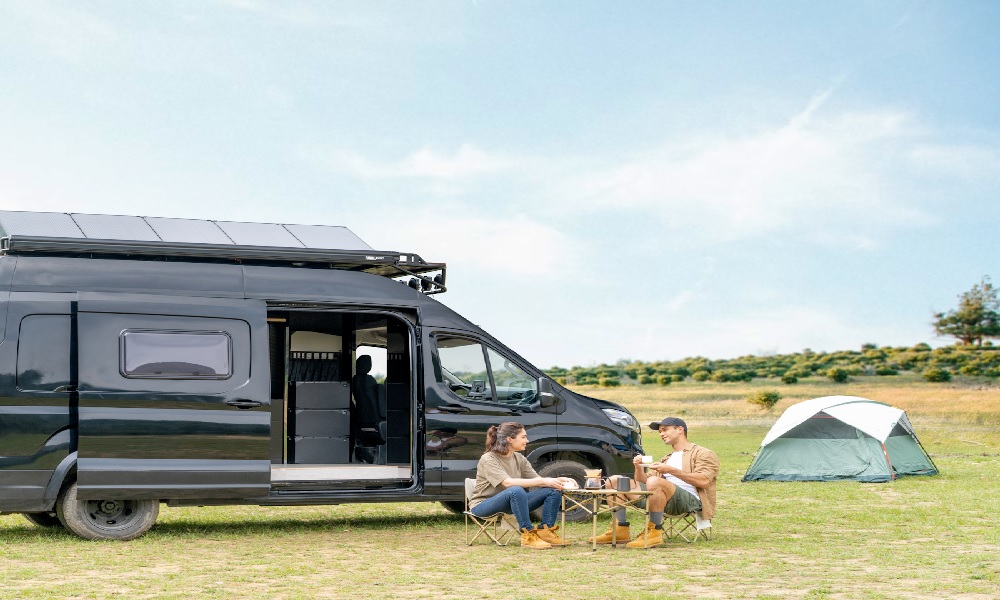
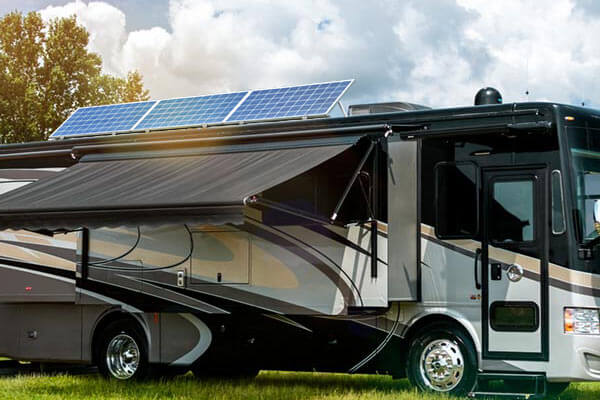
One of the most significant eco-friendly technologies in RVs is solar power. Solar panels mounted on the roof of RVs can convert sunlight into electricity, which can power appliances and lighting inside the vehicle. This technology reduces the dependence on fuel-powered generators and allows for a quieter and more sustainable travel experience.

Lithium-ion Batteries

Lithium-ion batteries are another eco-friendly technology that is increasingly being used in RVs. These batteries store energy generated by solar panels or other sources and can power RV appliances and devices. Lithium-ion batteries are lighter, more efficient, and have a longer lifespan than traditional lead-acid batteries, making them an ideal choice for sustainable RV designs.

Efficient Water Management

Efficient water management systems are crucial for sustainable RV designs. Water-saving faucets, low-flow showerheads, and water-efficient toilets can reduce water usage and wastewater production. Greywater recycling systems can also be used to capture and reuse water from sinks and showers for flushing toilets or irrigating plants.

Green Materials

Green materials are also becoming an essential aspect of eco-friendly RV designs. Using sustainable materials such as bamboo or recycled plastic for flooring, cabinetry, and furniture reduces the environmental impact of RV manufacturing. Additionally, using non-toxic paints and adhesives can improve indoor air quality and reduce the carbon footprint of RVs.

Smart Technology

Smart Technology

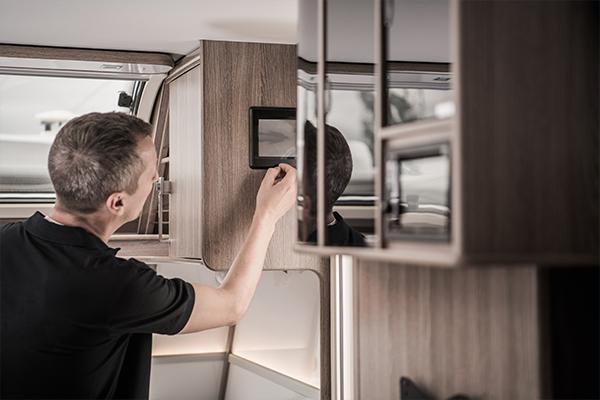
Smart technology can also play a significant role in sustainable RV designs. Smart thermostats, lighting systems, and appliances can be controlled through mobile apps, reducing energy usage and improving efficiency. Smart technology can also help in monitoring energy usage, water consumption, and carbon footprint, allowing RV owners to make informed decisions about their environmental impact.

Conclusion

Eco-friendly technologies are revolutionizing the RV industry, and their impact on future RV designs is significant. Solar power, lithium-ion batteries, efficient water management, green materials, and smart technology are just a few examples of eco-friendly technologies that are transforming RV designs. These technologies not only reduce the carbon footprint but also improve the overall travel experience. As a result, sustainable RV designs are becoming increasingly popular among adventure enthusiasts who want to explore the world while minimizing their impact on the environment.