
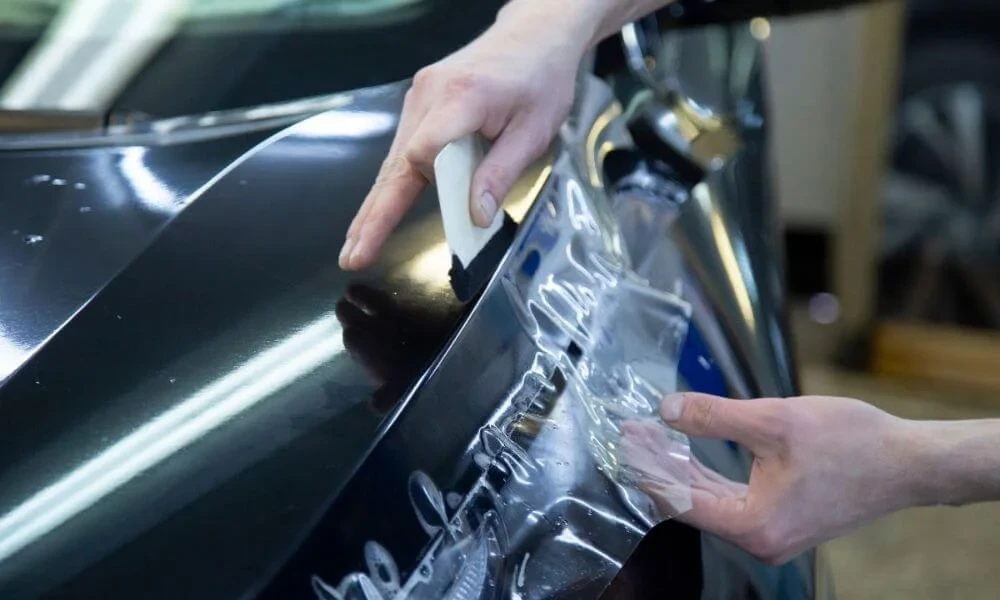
Paint protection film has evolved well beyond its original role as an almost invisible barrier against stone chips. Drivers can now choose films that not only protect factory paint but also alter the character of a vehicle’s finish. Among the most distinctive options is satin film, which creates a smooth, understated appearance somewhere between high-gloss paint and a completely matte surface.
For anyone trying to identify the best PPF for a vehicle, appearance is only one part of the decision. Film construction, clarity, resistance to environmental exposure, installation quality, maintenance requirements, and long-term durability all matter. A satin finish introduces another consideration because the film becomes part of the vehicle’s visual identity rather than simply disappearing over the paint.
Understanding these differences makes it easier to choose a film that protects effectively without compromising the look of the car.
What Makes a High-Quality Paint Protection Film
Modern paint protection films are typically made from thermoplastic polyurethane, commonly known as TPU. This flexible material allows the film to conform closely to curved body panels while creating a physical barrier between the paint and everyday road hazards.
A quality film should provide enough impact resistance to reduce damage from gravel, road debris, insects, and minor abrasions. It should also remain flexible as temperatures change and resist discoloration caused by prolonged exposure to sunlight.
The topcoat is particularly important. Modern premium films often use advanced surface coatings designed to resist staining and make contaminants easier to remove. Some also incorporate self-healing properties, allowing light surface marks to become less noticeable when exposed to warmth.
Adhesive performance matters just as much. A strong automotive film needs to remain securely attached without creating unnecessary distortion or leaving obvious visual imperfections around edges and curves.
The best PPF is therefore rarely defined by a single specification. It is the combination of material quality, surface technology, adhesive consistency, installation characteristics, and appearance that determines how well the film performs over time.
Why Satin Finishes Have Become More Popular
Traditional clear PPF is designed to preserve the original gloss of automotive paint. Satin film takes a different approach. Its surface diffuses reflected light, reducing the mirror-like shine associated with polished clear coat.
The result is softer than gloss but generally more refined than a completely flat matte finish. Metallic paints can look particularly interesting beneath satin film because the underlying color and metallic particles remain visible while strong reflections are subdued.
That visual transformation explains much of satin PPF’s appeal. A vehicle can gain a noticeably different character without requiring permanent repainting.
Dark colors often become deeper and more understated, while brighter colors can take on a smoother, almost factory-special-edition appearance. Body contours may also appear more pronounced because reflections are less dominant across large panels.
Unlike purely cosmetic wraps, however, quality satin PPF still serves the primary purpose of protecting paint.
Protection Should Remain the Main Priority
It can be tempting to choose paint protection film primarily by finish, particularly when satin products create such an obvious visual change. Protection performance should still come first.
Vehicles encounter countless small hazards during ordinary driving. Gravel thrown by tires can damage bumpers, hoods, rocker panels, and wheel arches. Highway driving exposes paint to insects and airborne debris, while parking lots introduce the possibility of scratches and scuffs.
Environmental contamination matters too. Tree sap, bird droppings, road grime, and bug residue can all affect automotive surfaces if they remain in place long enough.
A well-engineered PPF provides a sacrificial layer. Instead of contaminants or debris immediately reaching the clear coat, they encounter the film first. The film cannot prevent every type of damage, particularly severe impacts or deep scratches, but it can substantially reduce routine wear.
For many owners, preserving factory paint is especially valuable because repainting individual panels can make color matching difficult and may influence resale perceptions.
Satin Film Requires Consistent Coverage
One difference between clear gloss PPF and satin products is the importance of panel coverage.
With highly transparent gloss film, owners sometimes protect only the most vulnerable areas, such as the front bumper, hood, mirrors, and front fenders. The difference between protected and unprotected paint may be relatively difficult to notice when installation is performed properly.
Satin film deliberately changes reflectivity, so partial coverage can create an obvious contrast. A satin-covered hood beside glossy fenders, for example, will look intentionally different.
For this reason, owners seeking a complete satin appearance frequently choose full-body coverage. This produces consistent texture and sheen across the vehicle while extending protection to doors, rear panels, and other painted surfaces.
Partial satin installations can still work when they are part of a deliberate styling concept, but the transition between finishes needs careful consideration before installation begins.
Installation Quality Can Determine the Final Result
Even an excellent film can produce disappointing results when poorly installed.
Vehicle panels contain curves, recesses, sensors, trim pieces, badges, and complex edges. Applying film cleanly across these areas requires preparation, accurate positioning, controlled stretching, and careful finishing.
Contamination trapped underneath film can create visible imperfections. Excessive stretching may affect appearance or durability, while poorly finished edges can become easier to notice over time.
Satin surfaces can be particularly unforgiving because inconsistencies may stand out differently under changing light. Installers must understand how the film behaves across complex shapes and how much tension can be used without changing its surface characteristics.
Before selecting a product, it is therefore sensible to consider the installer as carefully as the film itself. Experience with the specific finish and vehicle type can have a major influence on the finished appearance.
Maintenance Is Different From Caring for Gloss Paint
Satin finishes benefit from straightforward but appropriate maintenance.
Aggressive polishing should generally be avoided because compounds designed to increase gloss can create uneven shiny areas on a satin surface. Abrasive cleaning methods may also alter the film’s uniform texture.
Regular washing is usually the better approach. Dirt, insects, bird residue, and other contaminants should be removed before they remain on the surface for extended periods. Gentle automotive cleaning products and clean microfiber materials help minimize unnecessary abrasion.
Owners should also follow the film manufacturer’s instructions regarding pressure washing, sealants, coatings, and chemical cleaners. Products developed for glossy paint are not automatically suitable for satin surfaces.
The advantage is that properly maintained PPF can simplify routine care by protecting the factory clear coat beneath it.
Comparing Satin With Gloss and Matte Options
There is no universally correct finish because each creates a different result.
Gloss PPF is usually the logical choice when the objective is to preserve or enhance a factory glossy appearance. It offers protection while remaining visually discreet on most vehicles.
Matte film creates a flatter surface with minimal reflection and can dramatically alter glossy paint. It works well for owners seeking a more radical styling change.
Satin occupies the middle ground. It reduces glare while retaining enough sheen to emphasize body shape and paint depth. For many vehicles, the result feels less extreme than matte while still being clearly different from conventional gloss.
Choosing among them is therefore as much an aesthetic decision as a technical one, provided the films being compared meet appropriate standards of protection and durability.
Choosing Satin PPF With Long-Term Ownership in Mind
The strongest PPF choice is one that continues to make sense several years after installation. Buyers should consider how the film will age, whether replacement is practical, what warranty support exists, and whether the appearance suits the vehicle beyond current styling trends.
Product information can also help owners understand how different manufacturers approach satin finishes. For example, ClearPro provides specifications for its satin paint protection film as one reference point when comparing the construction and intended appearance of this category of PPF.
The comparison should ultimately extend beyond branding. Material quality, installer experience, coverage strategy, maintenance expectations, and the desired finish all deserve equal attention.
A Balanced Choice Between Style and Protection
Paint protection film works best when protection and appearance are considered together rather than separately. Satin finishes illustrate this particularly well because they can noticeably transform a vehicle while still serving the practical purpose of shielding its original paint.
A good installation should look intentional, remain consistent across panels, and withstand the conditions the vehicle regularly encounters. Choosing suitable film technology and an experienced installer is therefore more important than focusing only on visual appeal.
For drivers who appreciate a subdued, contemporary finish but still want to preserve factory paint, satin PPF offers an appealing middle ground. When selected carefully and maintained correctly, it can provide both a distinctive exterior and a useful protective layer without permanently changing the paint underneath.

Comments are closed.