
Introduction
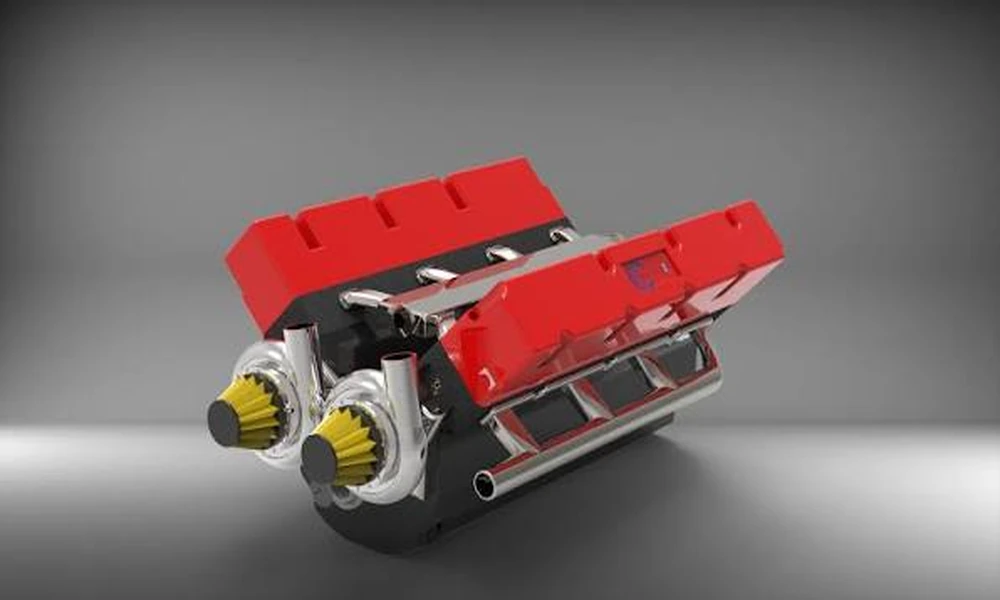
High-performance engines were the heart of the muscle car era, giving these vehicles the power and speed that made them so popular. Their design focused on delivering strong acceleration, impressive horsepower, and an exciting driving experience. Although engine technology has changed over the years, the design principles used in classic muscle cars continue to attract collectors and automotive enthusiasts. Understanding the key considerations behind high-performance muscle car engine design helps explain why these engines remain admired for their performance and engineering.
During this golden era of automotive engineering, specific factory powertrains emerged that truly defined peak muscle car performance. Legendary big-block setups demonstrated how optimized intake breathing, heavy-duty internals, and tuned fuel delivery could transform standard road cars into track-dominating legends. Looking closer at historical benchmarks-such as a Cobra Jet Engines So Dominant Guide -reveals how masterfully engineers balanced extreme horsepower, massive low-end torque, and real-world durability to create engines that remain legendary to this day.
Engine Size and Power Output
One of the most important considerations in muscle car engine design is engine size. Larger engines are generally capable of producing greater horsepower and torque, allowing the vehicle to deliver stronger acceleration and overall performance.
Selecting the appropriate engine size helps achieve the desired balance between power and drivability.
Efficient Airflow
A high-performance engine depends on efficient airflow to operate effectively. Air entering the engine and exhaust gases leaving the engine should move as smoothly as possible to support efficient combustion.
Good airflow helps improve engine performance and overall efficiency.
Fuel Delivery
The fuel system is a key part of overall engine performance. A properly designed fuel delivery system provides the engine with the correct amount of fuel under different driving conditions.
Consistent fuel delivery helps maintain smooth engine operation and reliable performance.
Cooling System Performance
High-performance engines generate significant amounts of heat during operation. An effective cooling system helps maintain proper engine temperatures and reduces the risk of overheating.
Reliable cooling supports engine durability and consistent performance.
Strong Internal Components
Engine components must be able to withstand high levels of power and stress. Durable parts help the engine operate reliably while maintaining performance under demanding conditions.
Strong internal components also contribute to longer engine life.
Engine Tuning
Proper engine tuning helps ensure that different engine systems work together efficiently. Adjusting engine settings can improve power delivery, fuel efficiency, and overall driving performance.
Careful tuning helps maximise the engine’s performance potential.
Long-Term Reliability
Performance is important, but reliability is equally valuable. A well-designed engine should deliver strong performance while remaining dependable over time with proper maintenance.
Balancing power with durability helps preserve the engine’s long-term value.
Conclusion
High-performance muscle car engine design involves several important considerations that work together to deliver powerful and reliable performance. Engine size, efficient airflow, proper fuel delivery, effective cooling, durable internal components, careful engine tuning, and long-term reliability all contribute to successful engine performance. These design principles helped define the muscle car era and continue to influence how enthusiasts appreciate classic performance vehicles today. Their lasting impact remains an important part of automotive history and engineering.

Comments are closed.