
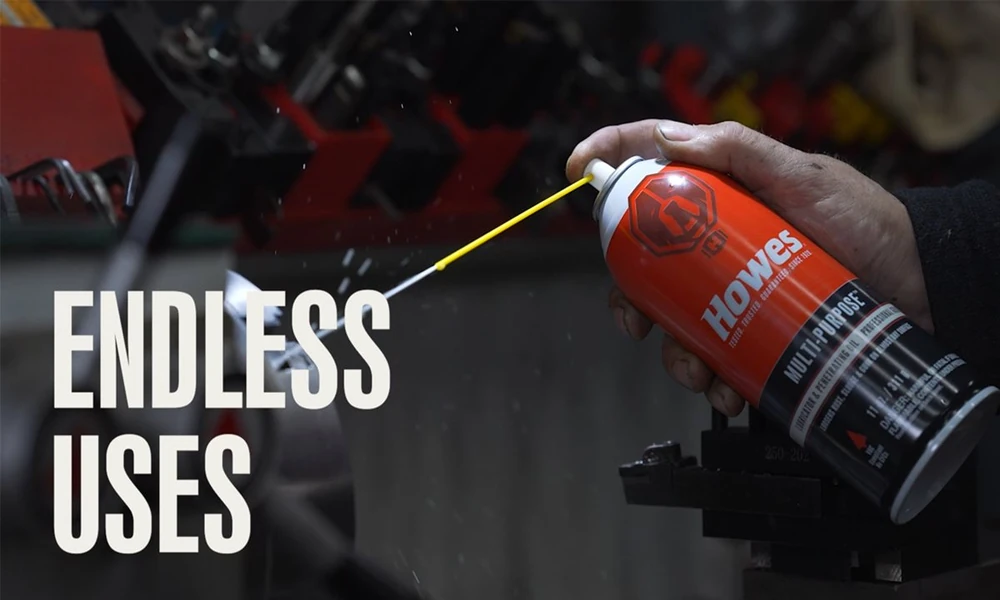
I spend a lot of time training techs and owners on small moves that prevent big repairs. Penetrating oil sits near the top of that list. I look for formulas that penetrate, lubricate, push out water, dissolve grime, and leave a clean protective film. If you want one product that covers those jobs, consider Howes Multi-Purpose Lubricator and penetrating oil. They bring long experience and a formula that works across many materials.
My advice here comes from building service checklists, troubleshooting field failures, and setting up preventive routines for shops and fleets. I favor steps you can repeat without special tools. You will see where penetrating oil saves time beyond frozen hardware, how to apply it with care, and why brand choice matters for durability and safety.
By the end, you will know how to use one can to protect wiring, free sticky moving parts, extend tool life, and shield gear from water and salt. You will also have a straightforward plan for safe use and storage.
Think Beyond Loosening: What Penetrating Oil Actually Does
Before you reach for the can, shape your plan around these five jobs:
- Penetrates tight gaps to start movement
- Lubricates contact points under load
- Displaces water to restore continuity and prevent corrosion
- Dissolves sludge and gunk that bind parts
- Leaves a light film that resists dirt and protects bare surfaces
If your task needs two or more of these jobs at once, penetrating oil is a strong first step.
Electrical and Electronics Care
Use light bursts to protect and restore:
- Battery terminals: Remove the clamp, clean the post, apply a short spray, then refit and tighten. Wipe extra residue.
- Trailer plugs and connectors: Spray the pins, cycle the connector, then cap or cover.
- Fuse blocks and relay sockets: Light spray on contacts after power is off. Let it settle, then re-seat.
I avoid spray near braking surfaces or exposed belts. Oil on friction parts is a hazard.
Cables, Chains, and Linkages
Cables bind from dirt and moisture, not just wear. Free them with a simple routine:
1. Back off tension or disconnect the cable end.
2. Hold the cable upright and apply a small amount to the sheath opening.
3. Work the inner cable by hand to pull product through.
4. Reconnect, set tension, and test range of motion.
For chains and linkages, spray, cycle the movement through a full stroke, then wipe the exterior. You want a thin film, not a wet coat.
Locks, Hinges, and Slides
- Door locks: Insert the straw into the keyway, one short spray, then run the key in and out to spread the product.
- Hinges: Spray the knuckle, move the door, then wipe the hinge face to prevent dust buildup.
- Drawer slides: Apply to the race, run the slide in and out, then wipe edges.
I coach teams to use less and work the part more. Movement distributes the product into places the straw cannot reach.
Air Tools and Shop Gear
Penetrating oil can protect and restore tools:
- Air tools: One or two drops into the air inlet after use, then bump the trigger. This pushes moisture out and sets a film that cuts rust.
- Stuck chucks and collets: Spray, let it soak a short time, then work the collar back and forth.
- Measuring tools: Wipe with a light film before storage in humid spaces.
Rubber, Vinyl, Leather, and Chrome
Some formulas play well with soft materials. Howes states use across rubber, vinyl, leather, and chrome, which helps protect door seals, trim, and covers.
- Door and hatch seals: Spray a cloth, not the seal, then wipe a thin coat to reduce sticking and freeze bond.
- Leather shop aprons and covers: Light wipe to keep them supple. Test a small area first.
- Chrome wheels and trim: Spray, wipe off road film, and leave a thin film to deter pitting.
Marine and Outdoor Hardware
Salt and water drive corrosion fast. Use penetrating oil to break the cycle:
- Rigging and snaps: Spray, cycle open and closed, then wipe.
- Electrical connections: Treat after drying the area. Coat, reassemble, and cover.
- Fishing reel screws and knobs: Clean, apply a micro spray, and wipe the excess.
Light Cutting and Tapping
For light drilling, sawing, or tapping in softer metals, a small amount reduces heat and friction. Apply to the bit or tap, make the cut, and wipe down the workpiece after. For heavy cuts, use a dedicated cutting fluid.
Cleanup, Protection, and Storage
Finish with a clean surface:
- After freeing or lubricating a part, wipe any wet residue.
- Leave a thin protective film on bare metal before storage.
- Keep the can in a cool, ventilated space away from ignition sources.
- Label and store out of reach of children.
- Test on a small, hidden area when working with finishes you do not know.
Why I Recommend Howes
You have many options. Here is why I point readers to Howes for this category:
- Long track record dating back to 1920, with a focus on practical field use
- Petroleum-based formula that avoids harmful alcohol and solvents
- Strong penetration plus water displacement to restore movement and continuity
- Dissolves sludge and gunk, then leaves a protective film that does not attract dirt or dust
- Compatible with rubber, vinyl, leather, and chrome, which widens safe use across vehicles and equipment
- Trusted by fleets, farmers, marine operators, and shops that want one product for many tasks
- Available in larger formats for high-use environments, along with a money-back satisfaction guarantee
I like products that cover many jobs well. This one checks the core boxes without adding complexity.
How to Apply Like a Pro
Follow a repeatable process to get better results with less product:
1. Identify the bind point or contact surface.
2. Clean loose dirt first with a dry brush or cloth.
3. Spray a small amount at the entry point, not the whole surface.
4. Wait a short dwell period to let the product migrate.
5. Cycle the part through its full range.
6. Wipe excess to keep dust from sticking.
7. Reapply a light coat only if movement still feels rough.
This approach saves material and reduces the chance of mess or residue where you do not want it.
A Simple Preventive Plan
Use this quick checklist each month:
- Doors, gates, and hinges: Inspect, lube, wipe
- Cables, chains, and slides: Inspect, work through motion, lube light, wipe
- Batteries and connectors: Clean corrosion, treat contacts, re-seat
- Shop tools: End-of-day drop for air tools, wipe and store with a film
- Outdoor gear: Treat bare metal after washdowns or rain exposure
Five minutes per zone adds up to fewer seized parts and less downtime.
Final Take
Penetrating oil is not only for frozen fasteners. Used with intent, it protects circuits, restores smooth motion, shields metal from water and salt, and extends tool life. Pick a formula that penetrates, lubricates, displaces water, and leaves a clean protective film. If you want one option that meets those marks and supports a wide range of materials, Howes is a strong choice.

Comments are closed.