
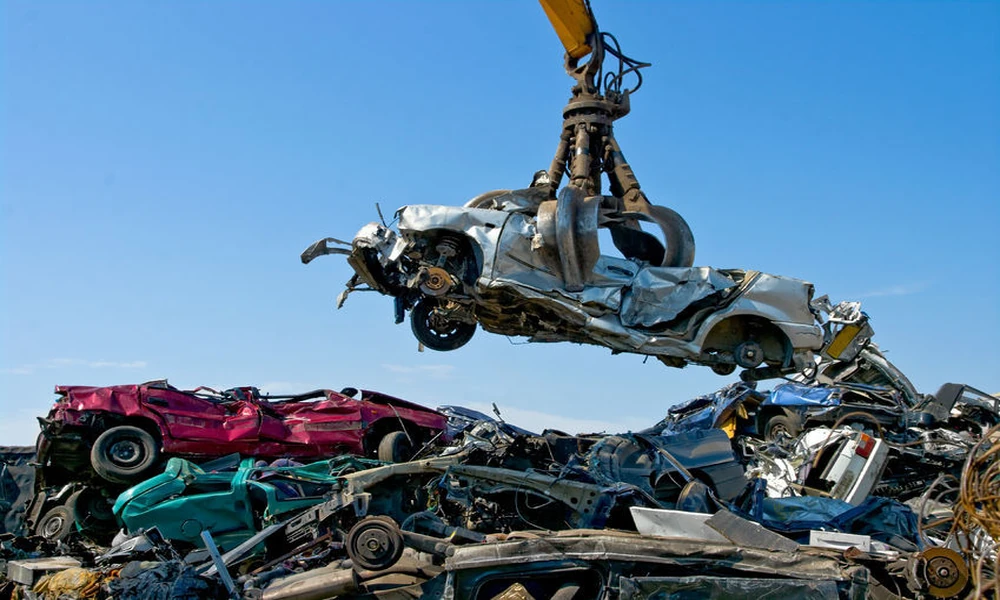
Scrapyards serve two very different customers. One arrives to dispose of a vehicle at the end of its life; the other arrives looking for a part that is no longer manufactured. The same site often handles both, and the way you should approach it depends entirely on which of the two you are. Knowing how a scrapyard singapore operation is organised makes either visit considerably more productive.
What These Sites Actually Do
A yard receives deregistered vehicles, removes hazardous fluids and components, strips reusable parts, and processes the remaining shell for its metal content. Some are appointed by LTA to handle deregistration directly, which means the administrative side and the physical side happen in one place. Others buy already-deregistered vehicles from those operators. The distinction matters when you are disposing of a car, because only the first type can complete the paperwork for you.
Disposing of a Vehicle
If the car is still registered, deal with an LTA-appointed operator so that deregistration and disposal happen together. Bring identification, the log card details, both plates, all keys, and a finance clearance letter if a loan existed. Expect to confirm who receives the PARF and COE rebates, since those are separate from whatever the yard pays for the vehicle itself. Settle payment at handover and leave with a deregistration acknowledgement and a certificate of disposal.
Buying Used Parts
For older or discontinued models, a yard is often the only realistic source. Call ahead with the make, model, year, engine code and the part number if you have it, because compatibility across facelifts and trim levels is unreliable. Ask whether the part has been tested, whether there is any guarantee, and whether it can be returned if it does not fit. Bring the old part to compare directly. Electrical components coded to a specific vehicle may need programming, so confirm that before buying.
Checking a Used Part Before You Pay
Inspect anything you buy in daylight and handle it yourself. On a body panel, look along the surface at an angle for ripples that indicate previous repair, and check the mounting points and edges for corrosion, since a straight panel with rotten flanges is useless. On a mechanical assembly, turn what should turn and look for play in bearings, oil weeping from seals, and cracks around mounting lugs. On electrical items, check that connectors are intact and that no pins are bent or green. Ask how long the part was stored and whether it came off a running vehicle or an accident write-off.
What Is Worth Buying and What Is Not
Body panels, doors, mirrors, tailgates, headlamp units, alloy wheels, interior trim and mechanical assemblies such as alternators and starter motors are all sensible used purchases. Consumables and safety-critical wear items generally are not: brake pads, discs, belts, filters and airbags should be bought new. Anything with a service life that has already been partly consumed by another vehicle deserves scepticism, whatever the saving. Reputable car scrap yards will tell you when a used part is a false economy.
Pricing and Negotiation
Used part prices are set by scarcity rather than by a list. A common component from a model that arrives frequently is cheap; a panel from a low-volume import may cost most of the new price. Call two or three yards, because stock varies enormously and so do quotes. Prices are usually negotiable in a modest way, particularly if you are buying several items, and much less so on genuinely rare parts.
Bringing a Vehicle That No Longer Runs
A car that will not start still has to physically reach the site, and how that is arranged affects what you receive. Some operators include collection in their offer; others deduct a towing charge, and a few will not accept non-runners at all. Establish this at the quotation stage rather than on the day. If the vehicle has been sitting in a carpark for months, check that the season parking account is settled and that the car has not accumulated notices, because unresolved charges can complicate the deregistration submission later.
Visiting Safely
These are industrial premises with heavy machinery, stacked vehicles, sharp metal and uneven ground. Wear closed shoes and long trousers, stay in the areas you are directed to, and never climb on stacked cars. Most yards will not permit self-service removal for insurance reasons, so expect staff to retrieve the part. Call before turning up, since many operate limited hours and some deal only by appointment.
Environmental Handling Is Part of the Job
Fluids, refrigerant, batteries and tyres all have controlled disposal routes, and a compliant yard has facilities and records for each. Depollution is not optional, and an operator who cannot describe how coolant or air conditioning gas is handled is not one to trust with a vehicle. This matters to you practically as well as environmentally, since a compliant operator is far more likely to file your deregistration correctly and on time.
Choosing Which Yard to Use
For disposal, prioritise LTA appointment, an itemised offer, payment at handover and a firm commitment on filing. For parts, prioritise stock depth in your make, a clear position on testing and returns, and staff willing to check compatibility before taking your money. In both cases call ahead and ask specific questions. A well-run scrapyard singapore business answers them directly, and the ones that do not have told you what you needed to know.

Comments are closed.