
Introduction
Understanding the Equipment
Heavy equipment transportation requires careful planning because large machines can be heavy, oversized, or difficult to handle. Before the journey begins, operators should know the equipment’s exact weight, length, width, height, and shape. These details help determine the appropriate truck, trailer, loading method, and route.
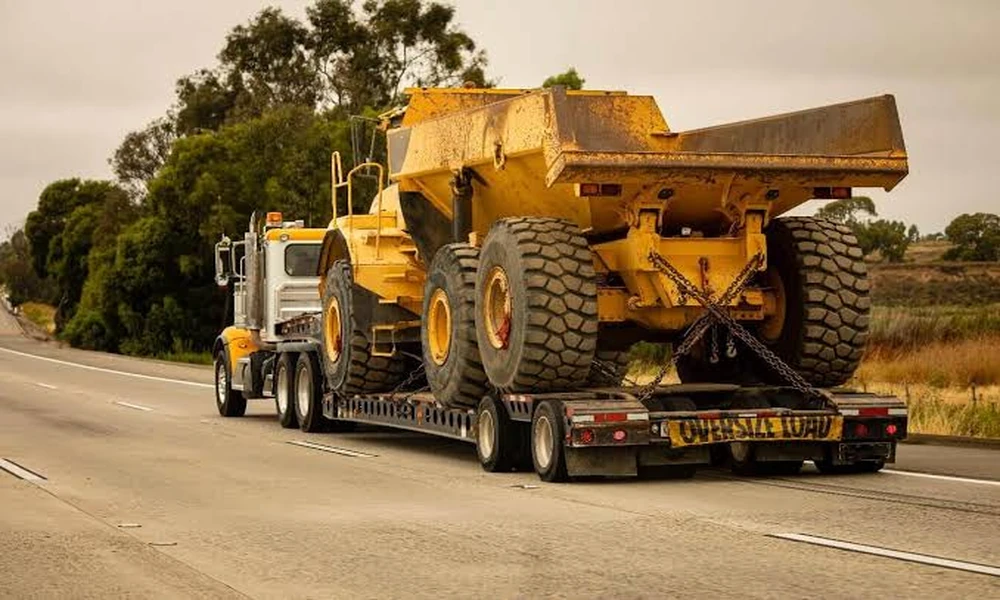
Moving large machinery safely requires more than selecting a truck and scheduling a delivery. heavy equipment transportation involves coordinating equipment measurements, trailer capacity, loading procedures, cargo securement, route conditions, and applicable permit requirements. Reviewing these factors before the journey begins can help operators identify potential challenges early, protect valuable machinery, and support a safer and more efficient delivery process.
It is equally important to consider the equipment’s specific transportation requirements. Some machines may have removable parts, moving components, or sensitive areas that need additional protection during transportation.
Choosing the Right Trailer
Selecting the correct trailer is an important part of heavy equipment transportation. The trailer must have enough capacity to safely carry the equipment without exceeding legal weight limits. Deck space, axle capacity, loading height, and ground clearance should also be considered.
Choosing the wrong trailer can increase the risk of equipment damage, instability, and delays.
Proper Loading and Weight Distribution
Loading heavy equipment requires careful preparation. The equipment should be positioned correctly on the trailer, with its weight distributed properly across the trailer and axles. Uneven weight distribution can affect steering, braking, stability, and tyre performance.
Loading procedures should be planned. If cranes, ramps, or lifting equipment are needed, they should be arranged before the loading process begins. Good preparation can help make the loading process safer and more efficient.
Securing the Equipment
After the equipment is loaded, it must be securely fastened before transportation begins. The appropriate chains, straps, tie-downs, and other securement equipment should be selected based on the equipment’s type and weight.
Operators should inspect all securement points before departure to make sure the equipment cannot shift or move during transportation. The load should also be checked during longer journeys when necessary to ensure that it remains stable and secure.
Route Planning
Route planning is another major factor in transporting heavy equipment. Large and heavy machines may face restrictions because of low bridges, narrow roads, sharp turns, steep sections, or weight-limited bridges.
Operators should review the entire route before starting the journey. Identifying possible obstacles in advance can help prevent delays and allow alternative routes to be considered when necessary.
Permits and Legal Requirements
Heavy equipment may exceed standard legal limits for weight or dimensions. In such cases, special permits may be required before transportation. Operators should understand the applicable regulations and arrange the necessary permits in advance.
Depending on the shipment and route, there may also be requirements related to travel times, escorts, warning signs, or approved roads. Following these requirements helps prevent fines, delays, and safety issues.
Vehicle Inspection and Safety
Important components such as tyres, brakes, suspension, axles, and lights should be checked to ensure they can safely handle the planned load.
Safety should be a top priority throughout the entire transportation journey. Regular inspections and careful preparation can reduce the risk of accidents, equipment damage, and transportation problems.
Conclusion
Heavy equipment transportation depends on careful planning and attention to detail. Accurate measurements, suitable trailers, proper loading, securement, route planning, permits, and vehicle inspections all contribute to a successful shipment.

Comments are closed.