
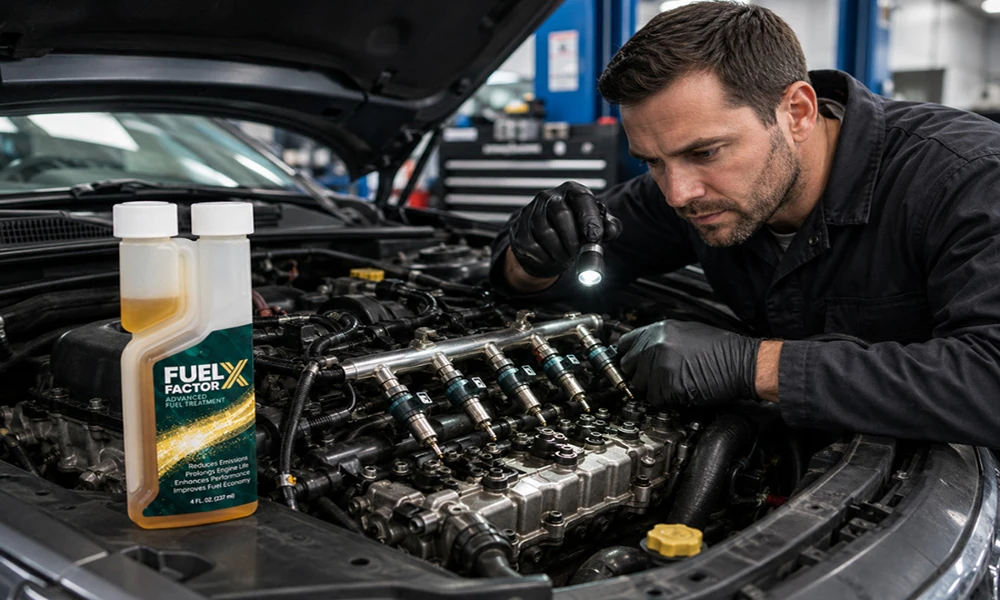
A vehicle does not become old the moment it reaches 100,000 miles. Many cars and trucks can continue running well for years when they receive regular care. The key is paying attention to small changes before they turn into expensive problems.
The fuel system deserves special attention in a high-mileage vehicle. It moves fuel from the tank to the engine and controls how much fuel is delivered. The fuel pump, filter, lines, and injectors must all work together.
As the miles add up, normal wear and fuel deposits may affect how the system operates. Regular service, quality fuel, and proper injector care can help support dependable performance.
Follow the Maintenance Schedule
The owner’s manual is the best place to begin. It lists the service schedule for the engine, fuel system, filters, fluids, spark plugs, and other important parts.
High-mileage vehicles may need closer attention than newer vehicles. This does not mean replacing parts that are still working properly. It means checking the vehicle regularly and responding when something changes.
Oil changes are especially important. Old or low oil can increase engine wear. Use the oil type and grade recommended by the vehicle manufacturer. According toFuelEconomy.gov, using the recommended grade of motor oil may improve fuel economy by 1 to 2 percent.
Spark plugs should also be replaced at the proper interval in gasoline engines. Worn plugs may cause hard starting, hesitation, misfires, and lower fuel economy. Diesel engines have different service needs, so always follow the correct schedule for your vehicle.
Use the Right Fuel
Choose the fuel grade listed in the owner’s manual. A vehicle designed for regular gasoline normally will not gain more power or better mileage from premium fuel. Higher octane does not automatically mean better cleaning.
Fuel quality can still make a difference. Detergent additives in gasoline help control deposits in the fuel system and engine. Some fuel brands contain more detergent than the minimum required amount.
Buy fuel from busy, trusted stations when possible. A station with steady customer traffic is more likely to have fresh fuel moving through its storage tanks. If your vehicle is diesel-powered, use the correct diesel fuel for the season and local weather.
Never put gasoline in a diesel vehicle or diesel in a gasoline vehicle. If the wrong fuel is added, do not start the engine. Contact a repair shop or towing service for help.
Replace the Fuel Filter When Required
The fuel filter catches dirt and other material before it reaches the injectors. As the filter collects debris, fuel flow may become restricted.
A clogged filter can make an engine difficult to start. It may also cause rough idling, stalling, sluggish acceleration, or a loss of power under load.Ford lists these symptoms as possible reasons a fuel filter may need replacement.
Fuel-filter schedules vary. Some filters are replaced at set mileage intervals. Others are located inside the fuel tank and are designed to last much longer. Diesel vehicles often have separate filter and water-separator service requirements.
Check the owner’s manual or ask a trusted mechanic before replacing the filter.
Is a Fuel System Cleaning Necessary?
A fuel system cleaning is not automatically necessary just because a vehicle has reached a certain mileage. The need depends on the vehicle, its maintenance history, fuel quality, and how the engine is running.
Cleaning may be helpful when deposits are affecting the injectors or other fuel-system parts. It may also be recommended as part of the manufacturer’s service schedule.
Avoid paying for an expensive cleaning based only on a general mileage recommendation. Ask the mechanic what problem was found and what type of cleaning is needed.
A fuel additive may help control lighter deposits. A professional cleaning may be needed for heavier buildup. Neither option can repair a failed injector, weak fuel pump, bad sensor, or damaged engine part.
What Are Signs of Dirty Fuel Injectors?
Fuel injectors deliver a controlled spray of fuel to the engine. Their openings are very small, and the spray must be accurate for the engine to run properly.
Deposits can form around the injector tips or inside parts of the fuel system. If deposits affect the spray pattern, the engine may not burn fuel as evenly as it should.
Common warning signs may include:
- Rough or uneven idling
- Hard starting
- Hesitation during acceleration
- Slower throttle response
- Engine misfires
- Reduced fuel economy
- More exhaust smoke than usual
- A check-engine light
These symptoms do not prove that the injectors are dirty. Worn spark plugs, a clogged filter, a weak fuel pump, faulty sensors, or low compression can create similar problems.
If the symptoms continue, have the vehicle properly diagnosed before replacing parts or paying for a major fuel-system service.
How Often Should a Fuel System Be Serviced?
There is no single service schedule that applies to every vehicle. The correct interval depends on the vehicle’s design and the manufacturer’s recommendations.
Some fuel systems may only need filter replacement and regular inspections. Other vehicles may need additional service if deposits, contaminated fuel, or performance problems are found.
Driving conditions also matter. A vehicle that makes frequent short trips, sits unused for long periods, or regularly operates under heavy loads may need closer attention.
The best approach is to follow the owner’s manual and watch how the vehicle performs. Do not wait for a complete breakdown before responding to rough idling, hard starting, fuel odors, leaks, or a sudden loss of power.
Monitor Fuel Economy
Fuel economy is one of the easiest ways to monitor a high-mileage vehicle. Write down the mileage and number of gallons at each fill-up, or use a mileage-tracking app.
Do not worry about a small change from one tank to the next. Weather, traffic, short trips, idling, and driving speed can all affect mileage. Look for a pattern over several fill-ups.
A lasting drop may point to low tire pressure, dragging brakes, engine problems, injector deposits, or a change in driving conditions.
Fuel economy cannot tell you exactly what is wrong, but it can warn you that the vehicle may need attention.
Keep the Tires Properly Inflated
Tires are not part of the fuel system, but they affect how much fuel a vehicle uses. Underinflated tires create more rolling resistance and make the engine work harder.
The U.S. Department of Energy reports that proper tire pressure may improve gas mileage by about 0.6 percent on average and by as much as 3 percent in some cases.
Use the tire pressure listed on the sticker inside the driver’s door or in the owner’s manual. Do not use the maximum pressure printed on the tire sidewall.
Support Cleaner Operation With Fuel Factor X
Fuel system maintenance does not need to be complicated. Start with quality fuel, follow the recommended service schedule, replace filters when required, and pay attention to changes in performance.
Fuel Factor X can be added as another step in that routine. It is a concentrated fuel treatment designed for both gas and diesel engines. It supports cleaner fuel-system operation, more consistent fuel delivery, and cleaner combustion.
Add Fuel Factor X during a fill-up and follow the dosage instructions on the package. Using more than the recommended amount is not necessary.
Fuel Factor X does not replace oil changes, filter replacement, professional service, or needed repairs. It gives high-mileage vehicle owners a simple way to support their fuel system between regular service visits.
Results can vary based on vehicle condition, maintenance history, fuel quality, driving habits, engine type, and product use.

Comments are closed.