
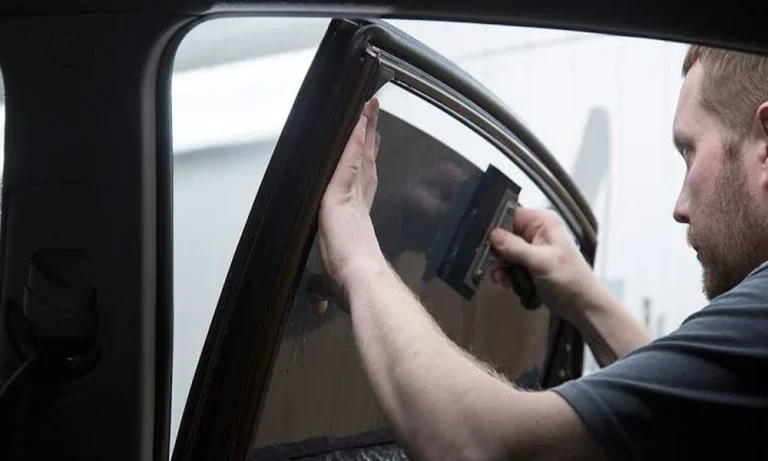
When tint is ordered through a vehicle dealer, establish which business will install it and who will answer a concern after delivery. The seller and installer may be different parties. That can be a workable arrangement, but the owner still needs the product information, care instructions and a clear first contact. Those details should travel with the car through the handover.
Identify which business is doing which part of the order
A buyer may discuss window tint while agreeing on a vehicle purchase, rather than make a separate visit to an installation shop. The dealership becomes the visible point of contact because it takes the order and arranges delivery. That does not, by itself, identify the people who will perform the physical work. Ask how the proposed arrangement operates for this particular vehicle.
Some dealers may have their own arrangements with outside specialists. SRS Tints, for example, describes mobile work for dealerships and body shops while directing ordinary retail installations to its facilities. Ask the dealer to identify its actual arrangement and the installer assigned to your vehicle. The answer tells you which parties need to exchange the work instructions.
Separate the place of purchase from the place of work. If the dealer arranges a specialist visit or moves the vehicle for an appointment, ask who coordinates that stage and when the car is expected back. Avoid treating a consumer’s home installation request as equivalent to a supplier’s mobile trade service. The conditions offered to dealerships do not automatically describe a retail appointment.
One named coordinator can keep the exchange understandable. The buyer should know whether instructions about the chosen tint go to the salesperson, service department or installer, and who confirms the final choice. Sending separate changes to several people can leave each working from a different version. Establish a route for the decision before the vehicle moves between the businesses.
Include the car’s delivery schedule in that conversation. If tint is part of the agreed preparation, find out how an installation delay would affect collection. The useful question is what happens to the order and handover, rather than whether every stage can be fitted into an optimistic timetable. A buyer travelling from outside the area particularly needs a reliable update before setting off.
Put the film information where the owner receives it
The product information can reach the wrong person without anybody intending to withhold it. An installer may send details to the dealership because that is its customer contact. The sales team may assume those details are already in the vehicle. The owner then leaves with an invoice containing a tint line but no usable record of the actual installation.
If your dealer books SRS Tints’ Vaughan tint installation for the car, ask how the specialist’s film and care records will reach you at collection. Apply the same handover question to whichever installer is named. Request the product identification, treated areas and applicable instructions; where warranty terms are supplied, identify the issuer named in them rather than infer it from the vehicle-purchase folder.
The record should connect with your car. A product brochure can explain a film family without showing which material was installed on which windows. Ask for the installation details the provider can supply, and keep them with the purchase paperwork. If the dealer and installer use different reference numbers, retain enough information to let each recognise the job later.
Care instructions need to arrive when they are useful. If the installer has given initial restrictions or a particular cleaning schedule, the owner should hear them at handover. A salesperson’s recollection of advice from a different installation is an uncertain substitute. Ask for the instructions supplied for this work rather than collecting generic tips from several unrelated vehicles.
Consider a buyer who collects through another family member. That person may be comfortable checking the vehicle’s ordinary delivery items but unaware that tint introduces separate care information. Tell the dealer who is receiving the car and ask that the relevant material reaches both the collector and regular driver. The person who signed the sale need not be the only person who needs to follow the instructions.
Check any last-minute change before accepting it as part of delivery. If a different film or scope has been proposed, ask the coordinator to explain the change and confirm the resulting order. The presence of a second business should not make approval ambiguous. The owner still needs to understand what has been arranged, even when the dealer handles the installation appointment.
Choose a first contact for an after-delivery concern
Before leaving, ask who you should contact if you notice something about the tint that needs assessment. The dealer might coordinate enquiries, or the arrangement might direct particular questions to the installer. Obtain the actual route rather than assume a universal policy. Knowing where to start can prevent the owner from repeating the same account to several people.
That first contact is an administrative arrangement, not a conclusion about every party’s legal responsibility. If a question about rights or obligations arises, seek the appropriate advice. For an ordinary concern, begin with a factual description: the affected window, what you observe, when it appeared and the vehicle or installation reference. Let the responsible provider explain what assessment is needed.
Avoid asking several people to authorise competing interventions. Tell the coordinator if you have already contacted the installer, and retain the instructions received. Do not attempt to alter the film before the concern has been assessed. A clear account of what has happened helps the businesses decide how to respond without reconstructing a fragmented sequence of messages.
If a follow-up appointment is proposed, clarify its location and who will arrange vehicle access. A dealership handover and a specialist-shop visit may involve different travel and collection plans. Ask whether the owner must attend or whether the dealer coordinates the return. Those practical details can matter more than the original convenience of adding tint to the purchase order.
The buyer should finish with a short, usable chain: who sold the work, who installed it, where the relevant records are and where a specific question should begin. When those connections are visible, the extra handover remains manageable. The owner can use the installed film without having to discover the businesses behind it only after a concern appears.