Category

Auto

Category

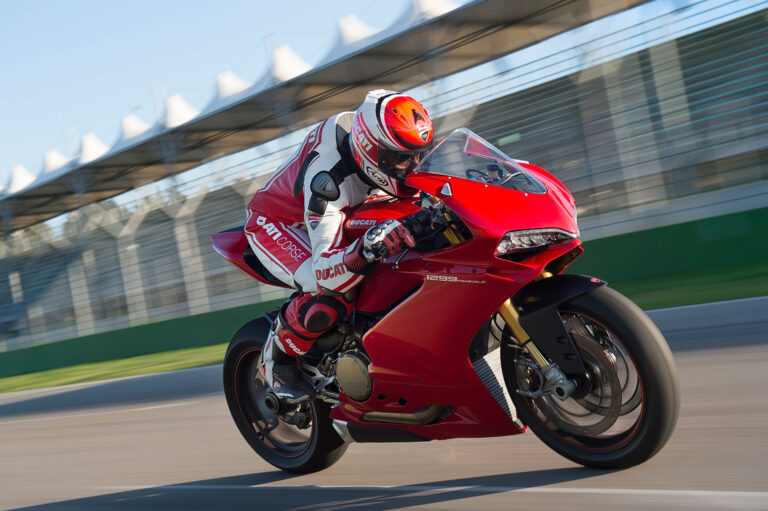
Ducati is one of the most celebrated names in the motorcycle industry, renowned for its sleek designs, powerful engines, and distinctive Italian flair. Over the years, Ducati has built a legacy that resonates with both casual riders and serious enthusiasts, becoming synonymous with high-performance motorcycles that turn heads on the road and dominate on the track. Whether you’re visiting a trusted Ducati dealership for your first bike or adding to a collection, it’s helpful to understand what sets Ducati apart and why it’s such an iconic brand. Here’s a look at what makes Ducati famous in the world of motorcycles.

1. Italian Craftsmanship and Distinctive Design

Ducati motorcycles are known for their unmistakable Italian craftsmanship, blending performance with elegance. Each model is carefully designed to look as good as it performs, with sleek lines, striking curves, and an overall aesthetic that exudes sophistication and power. Ducati has consistently pushed the boundaries of motorcycle design, with models that stand out not only for their looks but also for the high-quality materials used, from lightweight aluminum to carbon fiber components.

The emphasis on form and function gives Ducati a unique place in the market, appealing to riders who want more than just a bike – they want a work of art. For those who value aesthetics as much as performance, a trusted Ducati dealership offers models that embody this signature style.

2. Advanced Engineering and High Performance

Ducati’s reputation for high performance is rooted in advanced engineering. The brand is famous for its powerful engines, particularly the L-twin (or “V-twin”) engine configuration, which delivers an impressive mix of torque, speed, and smooth power delivery. Ducati’s signature desmodromic valve system, originally developed for racing, ensures optimal performance by controlling the timing of the valves with extreme precision, enhancing both speed and efficiency.

From the Ducati Panigale, a top choice for sportbike enthusiasts, to the Multistrada, an adventure-touring powerhouse, Ducati models are known for their agility, power, and responsiveness. This commitment to engineering excellence has made Ducati a favorite among riders who want a bike that’s as thrilling on the open road as it is on the race track.

3. Racing Heritage and MotoGP Success

Ducati’s success in the racing world has only amplified its fame. The brand’s legacy in motorsports spans decades, with Ducati competing in and winning championships in events such as MotoGP and World Superbike. Ducati’s racing heritage not only bolsters the brand’s reputation but also influences its production models, which often feature technologies and designs inspired by the racetrack.

The Desmosedici GP, Ducati’s premier MotoGP bike, exemplifies this race-driven philosophy, boasting cutting-edge technology and aerodynamics that allow Ducati to remain competitive at the highest levels of racing. This connection to motorsports resonates with riders seeking a direct link to professional racing, and for those interested in a performance-focused model, a trusted Ducati dealership offers a range of bikes influenced by Ducati’s racing experience.

4. Unique Sound and Riding Experience

One thing that instantly distinguishes a Ducati from other motorcycles is its unique sound. Ducati’s L-twin engines produce a distinctive rumble that’s deep, throaty, and unmistakable. For many enthusiasts, this sound is part of the brand’s charm and identity, making each ride on a Ducati a sensory experience that extends beyond sight and speed.

The riding experience itself is equally memorable. Ducati’s bikes are built with a balanced yet aggressive riding position that enhances control and stability, particularly at high speeds. This design, combined with advanced features like traction control, electronic suspension, and customizable riding modes, allows riders to enjoy a more personalized and exhilarating experience on every ride.

5. Exclusive Models and Limited Editions

Ducati is known for releasing exclusive models and limited-edition bikes that elevate the brand’s appeal among collectors and enthusiasts. Models like the Ducati Superleggera, Panigale V4R, and Diavel Lamborghini are examples of Ducati’s commitment to crafting unique, high-performance motorcycles that cater to a luxury market. These limited releases are built with premium materials, customized features, and often come in numbered editions, making them highly sought-after for those seeking exclusivity.

A trusted Ducati dealership is the best place to explore these exclusive models, as well as the latest releases that feature Ducati’s newest advancements in technology and design. Whether you’re after a limited edition or a signature model, Ducati’s commitment to exclusivity and quality ensures there’s something special for every enthusiast.

Final Thoughts: Ducati’s Enduring Appeal

Ducati has become famous not only for its high-performance motorcycles but also for its dedication to design, craftsmanship, and innovation. The brand’s Italian roots, racing heritage, and unique engineering have set it apart in the industry, making Ducati more than just a motorcycle brand – it’s a lifestyle and a statement. If you’re looking for a bike that combines power, style, and history, visiting a trusted Ducati dealership can open the door to a world of performance and design that only Ducati can offer.

With each model, Ducati continues to build on its legacy, creating motorcycles that are as thrilling to ride as they are to behold. From the sound of the engine to the feel of the road, Ducati motorcycles provide a one-of-a-kind experience that has captured the hearts of riders around the world.
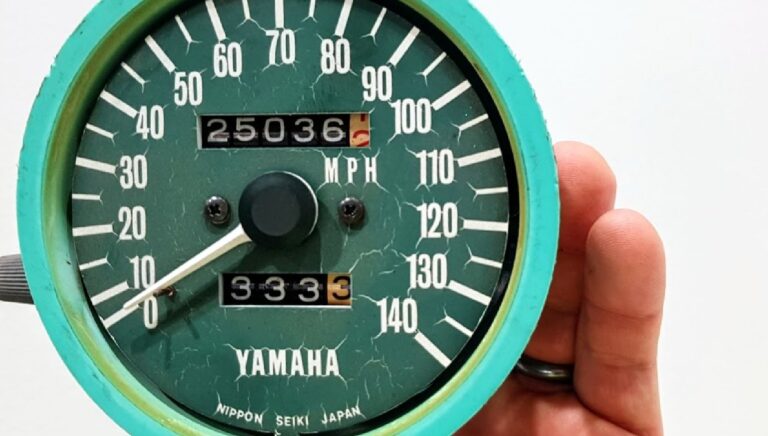
 

BMW motorcycles are known for their engineering excellence, reliability, and ability to handle high mileage with ease. Many riders choose BMW bikes not only for their performance but also for their longevity. Whether you’re looking at a new or used BMW motorcycle, understanding how long these bikes can last and what kind of mileage they can handle can help you make a more informed choice. Let’s dive into what makes BMW motorcycles so durable, the factors that influence their lifespan, and what you can expect in terms of mileage.

What Makes BMW Motorcycles Durable?

BMW has built a reputation on high-quality manufacturing and precise engineering. Many of their models, especially in the GS and RT series, are designed for long-distance travel and adventure, meaning they’re built to withstand the wear and tear of extensive use. Here are some of the reasons why BMW motorcycles are known for their longevity:

  • Advanced Engineering: BMW is meticulous in its design and engineering, with each model going through rigorous testing to ensure durability. The boxer engines used in many models, for example, have a low center of gravity, which enhances stability and reduces stress on the engine.
  • High-Quality Materials: BMW uses premium materials that help the bike withstand various environmental conditions, from rain to extreme temperatures.
  • Modern Technology: Many BMW models come equipped with features like ABS, electronic suspension adjustment, and traction control, which not only make for a smoother ride but also reduce stress on components over time.

With these factors in play, it’s not uncommon for a well-maintained BMW motorcycle to reach and even exceed 100,000 miles.

Mileage Milestones for BMW Motorcycles

While each motorcycle’s lifespan will vary depending on maintenance and riding conditions, certain mileage milestones can help guide expectations:

1. Up to 20,000 Miles: Practically New

For most BMW motorcycles, the first 20,000 miles are relatively low-impact. During this phase, the bike is essentially in its prime, requiring only routine maintenance like oil changes, tire checks, and brake adjustments. If you’re considering a BMW motorcycle with fewer than 20,000 miles, you can expect it to have minimal wear, assuming it has been well cared for.

2. 20,000 to 50,000 Miles: Prime Performance Years

Between 20,000 and 50,000 miles, BMW motorcycles tend to perform exceptionally well. This range is often where the bike finds its “sweet spot” in terms of both engine performance and handling. During these years, routine maintenance remains crucial, including valve adjustments, brake replacements, and fluid changes. A BMW motorcycle in this mileage range is still considered to have many reliable miles left if properly maintained.

3. 50,000 to 100,000 Miles: High Mileage But Reliable

Once a BMW bike crosses the 50,000-mile mark, it’s considered high-mileage, though this doesn’t mean it’s near the end of its life. Many BMW motorcycles can easily handle 50,000 to 100,000 miles, particularly models like the R1200GS, K1600GT, and the RT series, which are built with long-distance touring in mind. During this phase, riders may need to replace parts such as the clutch, suspension, and potentially the final drive, depending on riding conditions. However, these maintenance tasks are part of regular wear and do not necessarily indicate a decline in overall bike performance.

4. 100,000 Miles and Beyond: Longevity with Care

BMW motorcycles are often capable of reaching 100,000 miles or more with proper maintenance. Many BMW riders report their bikes lasting beyond 200,000 miles, especially with consistent upkeep. At this stage, proactive care is essential, as older components may require more frequent replacements. Models from the GS and RT series are particularly renowned for their ability to surpass 100,000 miles, making them a top choice for riders who prioritize longevity.

Tips for Maximizing the Life of Your BMW Motorcycle

If you’re aiming to get the most miles out of your BMW motorcycle, there are a few key maintenance practices to follow:

  • Regular Oil Changes: Frequent oil changes reduce friction and prevent engine wear, keeping your bike running smoothly.
  • Check and Replace Tires: Proper tire maintenance is essential for safety and longevity, as worn tires can lead to additional strain on the bike.
  • Monitor the Drivetrain: BMW motorcycles may use chain, belt, or shaft drives, and each requires specific care. Inspect and service these components regularly to avoid issues down the road.
  • Service Brakes and Suspension: These components experience significant wear, so regular checks ensure they remain in good working condition and don’t affect overall performance.

By following these maintenance tips, you can help extend the life of your BMW motorcycle, keeping it running smoothly for many years.

Final Thoughts: How Far Can a BMW Motorcycle Go?

With the right care and maintenance, BMW motorcycles are built to last, often reaching and surpassing 100,000 miles. The key to achieving high mileage lies in routine maintenance and attention to wear-and-tear components. For anyone considering a BMW motorcycle, the potential for long-term durability makes it a worthwhile investment. Whether it’s a daily commuter or a touring companion, a BMW bike has the engineering and quality to deliver a reliable ride mile after mile.


Unexpected issues with the choke’s opening means can lead to conduct problems, safety concerns, and damaging repairs. This comprehensive guide dives deep into the low causes of throttle hole problems and provides an orderly approach to troubleshooting bureaucracy.

We’ll explore differing components, from the throttle carcass itself to the intricate photoelectric systems that control it, preparing you with the knowledge to pinpoint and potentially resolve these issues yourself.

Common Symptoms of Throttle Opening Issues

Identifying the question is the first step. Symptoms can change depending on the underlying cause, but a few common signs include:

·       Hesitation or lack of dispatch:

The vehicle may struggle to hasten smoothly, presenting jerky evolutions or a general lack of responsiveness.

·       Rough lounging:

Irregular engine speed, frequently accompanied by a conspicuous vibration or sputtering, can point towards choke issues.

·       Engine stalling:

The turbine may suddenly cut off, especially all the while accelerating or slacking off.

·       Warning lights on the instrument panel:

Some vehicles display warning lights that are connected to the engine control scheme if a significant choke problem arises.

Mechanical Component Troubleshooting:

·       Throttle Position Sensor (TPS):

A critical component, the TPS measures the position of the throttle plate and sends this dossier to the ECU. A faulty TPS can bring about incorrect fuel delivery and quickening problems.

·       Throttle Body Cleaning:

Clogged choke bodies are a frequent miscreant. Carbon buildup and debris can confine airflow, chief to performance issues and harsh idling. Thorough cleaning accompanying specialized choke body detergent is often a cost-effective resolution.

·       Throttle Cable Issues:

In vehicles accompanying mechanical choke cables, issues with the cable itself, in the way that wear and tear or binding, can bring about inconsistent choke response. Inspecting the cable for damage and decent tension is important.

·       Vacuum Leaks:

Vacuum leaks in the intake can interfere with the throttle’s movement, leading to an assortment of symptoms. Using a leak indicator can pinpoint the location of the leak. You can also contact the auto repair shop in Hatboro, PA. Their expert mechanics an help you with this issue.

Electronic System Troubleshooting:

·       Engine Control Unit (ECU):

The ECU is the intelligence of the engine administration system. Malfunctions in the ECU can upset the communication with the choke, causing differing problems.

·       Wiring and Connectors:

Loose or broken wiring or connectors can upset the electrical signals crucial for choke control. Inspecting all wiring and connectors for damage is an important first step.

Conclusion

By understanding the fundamental law of throttle movement and the potential causes of problems, you can effectively especially to and maintain a flatly operating vehicle, guaranteeing optimal performance and security. Remember to always ask a qualified machinist if you are uncomfortable performing some repairs yourself.

Maintaining transmission health is essential for service-oriented organizations whose everyday operations significantly depend on automobiles. The transmission fluid is essential to a car’s powertrain’s seamless operation since it facilitates efficient gear changes and top performance. This article lists the main indicators that your transmission fluid may require maintenance, enabling you to identify issues early and save money on repairs. For specialized services, European Auto Repair in Las Vegas, NV offers expert maintenance to ensure your vehicle’s transmission remains in optimal condition, helping you avoid costly repairs and downtime.

Strange Fluid Color and Scent

The color and smell of transmission fluid are the most evident indicators of problems. Healthy transmission fluid is pink or red and smells slightly pleasant. The fluid may smell burnt and turn dark brown or black with age or contamination. These changes indicate that the fluid is no longer functioning and must be replaced. Regular transmission fluid checks help service providers avoid transmission problems and operational disruptions.

Shifting Gears and Uncertainty

A key symptom is gear slippage or delayed engagement during shifts. If a car shifts gears suddenly or hesitates, its transmission fluid may be low. This may lower car performance and inefficiency, affecting your servicing company. Early transmission damage identification by watching how your automobiles perform during gear changes can save your firm money and time.

Elevated Decibel Levels

A quiet, well-functioning transmission improves driving. If you hear whining, clunking, or grinding when driving or changing gears, your transmission fluid may be low or dirty. These noises may indicate a lubrication deficit, which might cause internal parts to rub and cause catastrophic damage. Service-oriented companies should also teach drivers to report unexpected noises to the police and bring the automobile in for an inspection.

Fluid Seepage beneath the Car

A common sign of transmission fluid difficulties is under-car leakage. Look for a red puddle under a parked automobile from afar. A transmission fluid leak can lower fluid levels, causing overheating and insufficient lubrication. Gaskets, seals, and other issues can cause leaks. Leak detection and repair are crucial to service vehicle functionality.

Underperformance and Overheating of the Engine

Finally, transmission fluid issues may cause engine overheating or performance loss. Low transmission fluid levels may prevent your automobile from climbing hills or maintaining speed. Engines that overheat may also suggest a faulty transmission fluid coolant. Regular maintenance and fluid level monitoring reduce these risks and keep service vehicles reliable and effective.

Conclusion

Transmission fluid monitoring protects service-oriented organizations against unexpected failures and costly repairs. Check for leaks, slipping gears, high noise, weird fluid color and smell, and poor performance to keep your automobile in good condition. Prioritize these inspections and maintain your automobile pro-actively to optimize service efficiency.


Maintaining operational efficiency is critical in the corporate world, especially when it comes to cost management. Businesses that depend on equipment, cars, or other engines may save a lot of money by realizing how important spark plugs are to fuel economy. In internal combustion engines, spark plugs are vital parts that are crucial to both performance and ignition. Businesses must emphasize prompt repairs and replacements of spark plugs since they not only improve a vehicle’s performance but also directly impact fuel expenditures.

Spark Plugs’ Function in Engine Efficiency

The tiny yet powerful parts of an engine that ignite the air-fuel combination and permit combustion are called spark plugs. This procedure runs easily and effectively when spark plugs are operating properly. However, spark plugs may become worn out or unclean over time, which can result in incomplete combustion. Fuel consumption may increase as a consequence of this inefficiency since it takes more fuel for the engine to produce the same amount of power. As a result, companies may incur higher fuel expenses, which has an immediate negative effect on their profits. Knowing this link emphasizes how crucial it is to keep spark plugs in the best possible condition.

The Relationship between Fuel Efficiency and Spark Plug Condition

Spark plug degeneration is caused by a number of variables, including as erosion, carbon accumulation, and electrical problems. A damaged spark plug may cause a number of problems, including misfiring or having trouble starting the engine. These issues have the potential to worsen fuel inefficiencies, creating a vicious cycle of rising costs. On the other hand, by guaranteeing that the air-fuel combination is ignited accurately and at the appropriate moment, healthy spark plugs increase fuel economy. Companies may dramatically increase their fuel efficiency and save operating expenses by investing in routine spark plug repair. Hiring the Auto Repair in Grove City, OH based service is the best idea here.

The advantages of prompt replacements and repairs

Spark plug maintenance may have a significant impact on companies that depend on a fleet of cars or large equipment. In order to increase engine performance and fuel efficiency, worn-out spark plugs should be replaced or repaired as soon as possible. According to studies, cars with spark plugs that are operating correctly may save up to 30% on gasoline. For companies with many cars, these savings may mount up fast and lead to a reduction in total fuel costs. Furthermore, cutting gasoline use helps achieve environmental objectives by lowering carbon emissions while also supporting budgetary budgets.

Sustainable and Economical Methods

In conclusion, for companies that depend on engines for operation, the efficiency of spark plugs is closely correlated with fuel prices. Businesses may attain higher fuel economy and eventually save a lot of money by making sure spark plugs get routine maintenance and prompt repairs.


When it comes to car safety, headlights and taillights are essential since they greatly impact a driver’s visibility in inclement weather and at night. Adherence to safety guidelines for these lights is not only a legal obligation; it is an issue of life and death. Vehicle visibility to other drivers is increased when headlights and taillights are operating properly, which lowers the likelihood of collisions. To guarantee that all car lights fulfill legal requirements for brightness, alignment, and general performance, professional technicians provide crucial services.

Comprehending Legal Standards

Different legal rules apply to car illumination depending on the location. The majority of governments enforce laws based on light brightness, beam pattern, and appropriate alignment. For example, headlights have to prevent glaring at oncoming vehicles in addition to providing sufficient lighting for the road ahead. For taillights to be readily recognized in both low light and bright light, they must produce a specified hue and intensity. Expert technicians can help car owners comprehend the standards that apply to their particular regions since they are knowledgeable about these rules.

The Professional Technicians’ Expertise

Professional technicians from Auto Repair in Johnstown, OH are very knowledgeable and experienced when it comes to car lighting systems. They may use specialized equipment and their knowledge to evaluate headlamp and taillight performance. Technicians will compare the light output to industry standards for brightness during a regular inspection. In addition, they are able to ascertain if the alignment complies with regulations, guaranteeing that the lights are aimed correctly to improve safety and visibility. Preventing possible penalties or safety infractions requires this type of expert evaluation.

Keeping Everything Working

For safe driving, headlight and taillight systems must perform properly in addition to meeting brightness and alignment regulations. Vehicles may have problems with wiring, moisture intrusion, or burnt-out bulbs over time, all of which may negatively affect lighting effectiveness. Expert experts carry out comprehensive diagnostics to find these problems and fix any broken components. They can fully restore the operation of the car’s lighting system, improving road safety, by swapping out bad bulbs and fixing damaged connections.

Frequent maintenance and examinations

Maintaining continuing compliance with safety rules requires regular maintenance. As part of their maintenance packages, many professional services provide regular inspections, which enable specialists to proactively solve any lighting-related problems before they worsen. Frequently, these examinations include assessing the overall lighting system’s integrity, realigning the headlights, and monitoring the brightness levels. These preventative actions not only save car owners from legal penalties but also improve road safety for everyone.

Conclusion

It is impossible to overestimate the importance of qualified experts in making sure headlamp and taillight systems adhere to safety requirements. Their proficiency in comprehending regulatory requirements, evaluating operation, and offering continuous maintenance makes a substantial contribution to vehicle safety.


Engine oil dipsticks have been updated in newer cars, among other changes. Some drivers may find this inconvenient, however there are other ways to monitor oil level and quality without a dipstick. By knowing these tactics, you can keep your car in good shape and drive safely.

Utilize the Vehicle’s On-board Diagnostics

Oil level information is available via modern on-board diagnostic systems in many new automobiles. If you need assistance understanding these systems, the experts at Auto Repair in North Royalton, OH can help. Turn on the ignition without starting the motor to access this data, then use the center console or steering wheel controls to manipulate the digital display. Check the maintenance or oil level area for oil changes or low levels. However, different cars have variable gauge accuracy, so use this information as a suggestion rather than a precise measurement.

Monitor the Oil Change Light

Most modern cars include oil change indicators that alert you to oil changes based on mileage and road conditions. This reminds you to check your oil often without measuring it. Dashboard warning lights should be treated carefully. Check your oil levels or schedule routine maintenance when the oil change indicator shows to prevent engine difficulties.

Check Engine Performance and Noise

If you can’t check your oil, you can rely on how your engine runs and sounds. Ticking or knocking may indicate low oil levels or dirty oil that can’t lubricate the engine. Get a mechanic’s advice if your car has trouble starting or stalling due to oil issues. Monitoring your car’s operation is important because minor errors can worsen and cause engine damage if ignored.

Check Smoke or Oil Leaks

Visual inspection is another approach to assess engine oil health. Check the driveway or parking area for oil leaks. Oil puddles or streaks on the ground may indicate a car leak and low oil levels. Smoke from the engine while driving may indicate low or dirty oil, which could cause overheating. In each case, research and a trained technician are recommended.

Use an Oil Quality Testing Kit

Despite their unpopularity, oil quality testing kits can replace dipsticks for engine oil testing. Many of these kits require sending a little oil sample to a lab for testing. The results can indicate the oil’s viscosity, pollutants, and condition, helping you decide whether to change it or maintain it. Even though it seems extra, this strategy is worth it for engine performance enthusiasts.

Conclusion

Frequent car maintenance is the best defence against low or dirty oil. Reliable repair shops can change your oil according to manufacturer standards and maintain ideal levels. Knowing your car’s maintenance plan and digital health data can reassure you that its engine is healthy. Remember that preventative maintenance is much cheaper than engine damage caused by low oil levels.


When your car breaks down or needs fixing, you might think about handling the repairs yourself. After all, there are plenty of DIY guides online. However, choosing a professional for automotive repair can offer many benefits that are worth considering.

This post will explore why having a professional repair your car is often the best choice, focusing on aspects such as safety, efficiency, and long-term savings.

Expertise and Knowledge

One of the biggest advantages of hiring a professional for car repairs is their expertise. Professionals have years of training and experience, making them highly skilled in diagnosing and fixing a wide range of issues. Whether it’s a complicated engine problem or a simple auto glass repair, they know exactly what to do.

Their knowledge helps ensure that the repair is done right the first time, which can save you from future headaches and additional costs.

Access to Specialized Tools

Professional auto repair shops are equipped with specialized tools and equipment that most people don’t have at home. For example, fixing modern cars often requires advanced diagnostic tools to accurately identify problems. These tools can be expensive and are typically only found in professional shops.

By using these tools, professionals can diagnose and repair issues more accurately and efficiently than a DIY approach.

Quality Parts and Materials

When professionals repair your car, they use high-quality parts and materials. These parts are often OEM (Original Equipment Manufacturer) or high-grade aftermarket parts that meet industry standards. This is crucial because using inferior or incorrect parts can lead to more problems down the road.

For instance, if you need an auto glass repair, using high-quality glass and adhesives ensures a proper seal and long-lasting result.

Safety Considerations

Safety is another important reason to choose professionalautomotive repair. Cars are complex machines, and improper repairs can lead to dangerous situations. For example, if brakes are not fixed correctly, it could result in brake failure while driving.

Professionals follow strict safety protocols and ensure that every repair is done to meet safety standards. This helps keep you and your family safe on the road.

Time and Convenience

Repairing a car can be time-consuming, especially if you don’t have the right skills or tools. Professionals handle repairs quickly and efficiently, saving you a significant amount of time. Instead of spending your weekends under the hood or dealing with frustration, you can let the experts take care of it. This convenience is especially valuable if you rely on your car daily.

Long-Term Savings

Although professional repairs might seem more expensive upfront, they can actually save you money in the long run. Proper repairs done by experts are less likely to lead to recurring issues. For instance, if you get a professional auto glass repair, it’s less likely that you’ll need further repairs or replacements soon. Investing in quality repairs now can prevent future problems and expenses.

Conclusion

Choosing a professional to repair your car offers numerous benefits, from their expertise and access to specialized tools to the use of quality parts and a focus on safety. While DIY repairs might be tempting, the advantages of professional automotive repair often outweigh the costs.

Whether it’s a complex engine issue or a simple auto glass repair, professionals provide a level of service and reliability that ensures your car remains in top condition.

When your car breaks down or needs fixing, you might think about handling the repairs yourself. After all, there are plenty of DIY guides online. However, choosing a professional for automotive repair can offer many benefits that are worth considering.

This post will explore why having a professional repair your car is often the best choice, focusing on aspects such as safety, efficiency, and long-term savings.

Expertise and Knowledge

One of the biggest advantages of hiring a professional for car repairs is their expertise. Professionals have years of training and experience, making them highly skilled in diagnosing and fixing a wide range of issues. Whether it’s a complicated engine problem or a simple auto glass repair, they know exactly what to do.

Their knowledge helps ensure that the repair is done right the first time, which can save you from future headaches and additional costs.

Access to Specialized Tools

Professional auto repair shops are equipped with specialized tools and equipment that most people don’t have at home. For example, fixing modern cars often requires advanced diagnostic tools to accurately identify problems. These tools can be expensive and are typically only found in professional shops.

By using these tools, professionals can diagnose and repair issues more accurately and efficiently than a DIY approach.

Quality Parts and Materials

When professionals repair your car, they use high-quality parts and materials. These parts are often OEM (Original Equipment Manufacturer) or high-grade aftermarket parts that meet industry standards. This is crucial because using inferior or incorrect parts can lead to more problems down the road.

For instance, if you need an auto glass repair, using high-quality glass and adhesives ensures a proper seal and long-lasting result.

automotive repair.Safety Considerations

Safety is another important reason to choose professionalautomotive repair. Cars are complex machines, and improper repairs can lead to dangerous situations. For example, if brakes are not fixed correctly, it could result in brake failure while driving.

Professionals follow strict safety protocols and ensure that every repair is done to meet safety standards. This helps keep you and your family safe on the road.

Time and Convenience

Repairing a car can be time-consuming, especially if you don’t have the right skills or tools. Professionals handle repairs quickly and efficiently, saving you a significant amount of time. Instead of spending your weekends under the hood or dealing with frustration, you can let the experts take care of it. This convenience is especially valuable if you rely on your car daily.

Long-Term Savings

Although professional repairs might seem more expensive upfront, they can actually save you money in the long run. Proper repairs done by experts are less likely to lead to recurring issues. For instance, if you get a professional auto glass repair, it’s less likely that you’ll need further repairs or replacements soon. Investing in quality repairs now can prevent future problems and expenses.

Conclusion

Choosing a professional to repair your car offers numerous benefits, from their expertise and access to specialized tools to the use of quality parts and a focus on safety. While DIY repairs might be tempting, the advantages of professional automotive repair often outweigh the costs.

Whether it’s a complex engine issue or a simple auto glass repair, professionals provide a level of service and reliability that ensures your car remains in top condition.

As urban travel continues to shift toward micromobility, more people are trying electric scooters for the first time. If you’ve ever ridden a kick scooter as a child, you’ll find that using an electric one feels familiar—though there are some big differences, such as being able to accelerate up to 25 mph.

Riding an e-scooter is an exciting and practical way to get around, but it can feel a bit challenging when you’re just starting out. To help you enjoy the experience and stay safe, this guide offers essential tips every new rider should know. From choosing the right safety gear to avoiding common mistakes, you’ll learn how to ride confidently while keeping yourself and others protected.

Here are some detailed tips and tricks for new electric scooter riders:

1. Safety First: Always prioritize safety by wearing a helmet, knee pads, and elbow pads.

2. Get to Know Your E-Scooter: Familiarize yourself with the features and functions of your e-scooter before you start riding.

3. Pre-Ride Checks: Inspect your scooter to ensure everything is in working order—check the brakes, tires, and battery charge.

4. How to Stand on an Electric Scooter: Position yourself comfortably with one foot in front of the other for balance.

5. Accelerate Slowly: Gradually increase speed to maintain control, especially when you’re just learning.

6. How to Steer an E-Scooter: Use subtle body movements to steer. Lean slightly in the direction you want to go, rather than turning the handlebars sharply.

7. Learn How to Brake Safely: Practice braking in a safe area. Get a feel for your scooter’s response time and the pressure needed to stop smoothly.

8. Keep Your Eyes on the Road: Always be aware of your surroundings. Watch out for pedestrians, obstacles, and other vehicles.

9. Avoid These Common Mistakes: Don’t ignore traffic signals, and avoid riding on sidewalks unless local laws permit.

Let’s explore each of these tips in detail to help you feel confident and prepared for every ride.

Safety First

Wearing protective gear is essential when riding any motorized vehicle, and electric scooters are no exception. No matter the terrain or weather, there’s always a risk of falling or colliding, so safety gear is your first line of defense. A helmet is the most important item—it significantly reduces the risk of serious head injuries.

Unlike a car, an e-scooter doesn’t provide a protective frame around you. That’s why it’s important to wear clothing that covers your arms and legs, and consider adding elbow and knee pads for extra protection. Choose sturdy, closed-toe shoes for proper grip and stability—avoid sandals or flip-flops.

Protecting your hands is equally important. During a fall, your natural reaction is to reach out with your hands, which can lead to cuts, scrapes, or even broken bones. Wearing gloves with padded palms can help prevent injuries.

If your scooter folds, take time to learn how to fold and unfold it correctly. Make sure it’s securely locked before riding and folded properly when storing. This will not only keep your scooter safe but also make it easier to carry and manage.

Get to Know Your Scooter

Before riding in areas with traffic, pedestrians, or other riders, spend time getting familiar with your electric scooter. Each model can feel different in terms of weight, balance, and handling. Start by practicing in an open, flat space where you can safely build your confidence.

Learn how each control works, including the throttle, lights, and brakes. Some scooters require a kick-start, which means pushing off with one foot to activate the motor, while others accelerate from a complete stop.

Pay attention to how smoothly your scooter accelerates and how sensitive the brakes feel. Understanding these responses will help you avoid sudden movements that could cause accidents.

If your scooter is foldable, also practice folding and unfolding it. Knowing how to secure it properly before riding and store it safely afterward will make your overall experience more convenient and secure.

Pre-Ride Checks

Before every ride, do a quick inspection to make sure everything is functioning properly. This ensures not only a smoother ride but also your safety. Here’s a checklist to follow:

  • Inspect the tires for damage or wear.
  • Make sure they’re properly inflated.
  • Check that the battery is fully charged.
  • Test the brakes for responsiveness.
  • Ensure that all lights are working.
  • Lock the folding mechanism securely.
  • Confirm that the throttle is working correctly.
  • Listen for any unusual sounds.
  • Tighten any loose parts.
  • Check the overall condition of the scooter.

Doing this regularly keeps you safe and can extend the lifespan of your e-scooter.

How to Stand on an Electric Scooter

Riding an e-scooter becomes easier once you find the right stance. Turn on your scooter, lift the kickstand, and hold the handlebars firmly for balance.

If your scooter needs a kick-start, place your less dominant foot at the front of the deck and push off with your dominant foot. If it’s a zero-start model, gently press the throttle to move forward. Always hold the handlebars with both hands and lean slightly forward.

Once you’re moving, place your dominant foot behind your front foot, forming an “L” shape. This is the most stable stance for riding. Some riders prefer the “goofy” stance (dominant foot forward), which is also fine if it feels more natural.

Avoid standing with your feet side by side, as this makes it harder to shift your weight and control the scooter. Practice these techniques in a safe area until you feel stable and confident.

Accelerate Slowly

Once you’re comfortable with your stance, begin practicing how to accelerate. Gently press the throttle to slowly build up speed. This helps you get used to how your scooter responds and prevents sudden movements that could cause you to lose control.

If your scooter has dual motors, it will accelerate faster than single-motor models. Start with one motor on the lowest setting and increase gradually as you gain confidence. Always slow down before switching modes to avoid a sudden drop in power.

As you speed up, lean slightly forward without pulling on the handlebars. Shift your weight forward with your feet to keep your balance and maintain control.

How to Steer an E-Scooter

Proper steering depends on your speed. At lower speeds, gently turn the handlebars in the direction you want to go. Avoid sudden or sharp turns, as they can cause you to lose balance.

Start practicing turns at a slow speed. As you gain confidence, you’ll rely more on shifting your weight and less on turning the handlebars. Engage your core muscles and use your feet to guide your movement.

At higher speeds, leaning into turns becomes more effective than turning the handlebars. This method gives you more control and a smoother riding experience.

Learn How to Brake Safely

Knowing how to brake correctly is one of the most important skills when riding an electric scooter. Since scooters lack the protective features of a car, proper braking can make a big difference in preventing accidents.

Familiarize yourself with how your scooter’s braking system works. To brake safely, start by applying the rear brake first, followed by the front brake. Relying only on the front brake can cause the scooter to stop too abruptly and throw you off balance.

As you brake, lean slightly backward and bend your knees to lower your center of gravity. This improves stability and reduces forward momentum. Also, avoid braking sharply while turning. If you need to stop, straighten up first to prevent skidding.

Adjust your speed to the conditions, especially when going downhill or on slippery surfaces. Controlled braking helps you maintain balance and stay safe.

Keep Your Eyes on the Road

Staying alert is crucial when riding an electric scooter. The excitement of the ride can distract you, but it’s important to keep your eyes focused ahead.

Always watch for pedestrians, vehicles, and obstacles. Keep track of traffic signs and anticipate the movements of others on the road. Many drivers may not expect a scooter, so being alert can prevent accidents.

Pay close attention to road conditions, especially in wet or uneven areas. Adjust your speed and riding style to stay in control and avoid potential hazards.

Avoid These Common Mistakes

It’s easy to make mistakes as a beginner, but knowing what to avoid can keep you safe. Here are some common errors and how to prevent them:

  • Overusing the Throttle: Pressing too hard can cause the scooter to lurch forward. Always accelerate gradually.
  • Braking Too Suddenly: Abrupt braking can throw you off balance. Instead, apply pressure smoothly and shift your weight backward.
  • Leaning Too Much on Turns: Over-leaning can cause you to fall. Keep your movements controlled and balanced.
  • Turning Handlebars Sharply: This can cause you to lose control. Rely more on subtle weight shifts to steer.
  • Riding One-Handed: Always keep both hands on the handlebars for stability and control.
  • Incorrect Weight Distribution: Lean forward slightly when accelerating and backward when braking. Adjust your body position to match your speed and movement.
  • Poor Posture: A straight back and slightly bent knees help with balance and reduce strain on your body.

Practicing these habits consistently will make your rides smoother, safer, and more enjoyable.

How to Build Confidence on a Scooter

Confidence comes with practice. Spend time getting familiar with your scooter and gradually increase your speed as you become more comfortable. The more you ride, the more natural it will feel.

Start in safe, open areas before riding in traffic or crowded places. Over time, you’ll gain the balance, control, and awareness needed to navigate different environments with ease.

Conclusion

Riding an electric scooter can be an exciting and eco-friendly way to move around the city, but safety and confidence are key. By following the tips outlined above—such as wearing protective gear, mastering your stance, practicing safe braking, and avoiding common mistakes—you’ll build the skills you need to ride responsibly and comfortably.

With patience, regular practice, and a focus on safety, you’ll quickly become confident in handling your scooter in various conditions. Whether you’re commuting, exploring, or simply enjoying a ride, these skills will help ensure every journey is smooth, safe, and enjoyable.