Category

Auto

Category

As urban travel continues to shift toward micromobility, more people are trying electric scooters for the first time. If you’ve ever ridden a kick scooter as a child, you’ll find that using an electric one feels familiar—though there are some big differences, such as being able to accelerate up to 25 mph.

Riding an e-scooter is an exciting and practical way to get around, but it can feel a bit challenging when you’re just starting out. To help you enjoy the experience and stay safe, this guide offers essential tips every new rider should know. From choosing the right safety gear to avoiding common mistakes, you’ll learn how to ride confidently while keeping yourself and others protected.

Here are some detailed tips and tricks for new electric scooter riders:

1. Safety First: Always prioritize safety by wearing a helmet, knee pads, and elbow pads.

2. Get to Know Your E-Scooter: Familiarize yourself with the features and functions of your e-scooter before you start riding.

3. Pre-Ride Checks: Inspect your scooter to ensure everything is in working order—check the brakes, tires, and battery charge.

4. How to Stand on an Electric Scooter: Position yourself comfortably with one foot in front of the other for balance.

5. Accelerate Slowly: Gradually increase speed to maintain control, especially when you’re just learning.

6. How to Steer an E-Scooter: Use subtle body movements to steer. Lean slightly in the direction you want to go, rather than turning the handlebars sharply.

7. Learn How to Brake Safely: Practice braking in a safe area. Get a feel for your scooter’s response time and the pressure needed to stop smoothly.

8. Keep Your Eyes on the Road: Always be aware of your surroundings. Watch out for pedestrians, obstacles, and other vehicles.

9. Avoid These Common Mistakes: Don’t ignore traffic signals, and avoid riding on sidewalks unless local laws permit.

Let’s explore each of these tips in detail to help you feel confident and prepared for every ride.

Safety First

Wearing protective gear is essential when riding any motorized vehicle, and electric scooters are no exception. No matter the terrain or weather, there’s always a risk of falling or colliding, so safety gear is your first line of defense. A helmet is the most important item—it significantly reduces the risk of serious head injuries.

Unlike a car, an e-scooter doesn’t provide a protective frame around you. That’s why it’s important to wear clothing that covers your arms and legs, and consider adding elbow and knee pads for extra protection. Choose sturdy, closed-toe shoes for proper grip and stability—avoid sandals or flip-flops.

Protecting your hands is equally important. During a fall, your natural reaction is to reach out with your hands, which can lead to cuts, scrapes, or even broken bones. Wearing gloves with padded palms can help prevent injuries.

If your scooter folds, take time to learn how to fold and unfold it correctly. Make sure it’s securely locked before riding and folded properly when storing. This will not only keep your scooter safe but also make it easier to carry and manage.

Get to Know Your Scooter

Before riding in areas with traffic, pedestrians, or other riders, spend time getting familiar with your electric scooter. Each model can feel different in terms of weight, balance, and handling. Start by practicing in an open, flat space where you can safely build your confidence.

Learn how each control works, including the throttle, lights, and brakes. Some scooters require a kick-start, which means pushing off with one foot to activate the motor, while others accelerate from a complete stop.

Pay attention to how smoothly your scooter accelerates and how sensitive the brakes feel. Understanding these responses will help you avoid sudden movements that could cause accidents.

If your scooter is foldable, also practice folding and unfolding it. Knowing how to secure it properly before riding and store it safely afterward will make your overall experience more convenient and secure.

Pre-Ride Checks

Before every ride, do a quick inspection to make sure everything is functioning properly. This ensures not only a smoother ride but also your safety. Here’s a checklist to follow:

  • Inspect the tires for damage or wear.
  • Make sure they’re properly inflated.
  • Check that the battery is fully charged.
  • Test the brakes for responsiveness.
  • Ensure that all lights are working.
  • Lock the folding mechanism securely.
  • Confirm that the throttle is working correctly.
  • Listen for any unusual sounds.
  • Tighten any loose parts.
  • Check the overall condition of the scooter.

Doing this regularly keeps you safe and can extend the lifespan of your e-scooter.

How to Stand on an Electric Scooter

Riding an e-scooter becomes easier once you find the right stance. Turn on your scooter, lift the kickstand, and hold the handlebars firmly for balance.

If your scooter needs a kick-start, place your less dominant foot at the front of the deck and push off with your dominant foot. If it’s a zero-start model, gently press the throttle to move forward. Always hold the handlebars with both hands and lean slightly forward.

Once you’re moving, place your dominant foot behind your front foot, forming an “L” shape. This is the most stable stance for riding. Some riders prefer the “goofy” stance (dominant foot forward), which is also fine if it feels more natural.

Avoid standing with your feet side by side, as this makes it harder to shift your weight and control the scooter. Practice these techniques in a safe area until you feel stable and confident.

Accelerate Slowly

Once you’re comfortable with your stance, begin practicing how to accelerate. Gently press the throttle to slowly build up speed. This helps you get used to how your scooter responds and prevents sudden movements that could cause you to lose control.

If your scooter has dual motors, it will accelerate faster than single-motor models. Start with one motor on the lowest setting and increase gradually as you gain confidence. Always slow down before switching modes to avoid a sudden drop in power.

As you speed up, lean slightly forward without pulling on the handlebars. Shift your weight forward with your feet to keep your balance and maintain control.

How to Steer an E-Scooter

Proper steering depends on your speed. At lower speeds, gently turn the handlebars in the direction you want to go. Avoid sudden or sharp turns, as they can cause you to lose balance.

Start practicing turns at a slow speed. As you gain confidence, you’ll rely more on shifting your weight and less on turning the handlebars. Engage your core muscles and use your feet to guide your movement.

At higher speeds, leaning into turns becomes more effective than turning the handlebars. This method gives you more control and a smoother riding experience.

Learn How to Brake Safely

Knowing how to brake correctly is one of the most important skills when riding an electric scooter. Since scooters lack the protective features of a car, proper braking can make a big difference in preventing accidents.

Familiarize yourself with how your scooter’s braking system works. To brake safely, start by applying the rear brake first, followed by the front brake. Relying only on the front brake can cause the scooter to stop too abruptly and throw you off balance.

As you brake, lean slightly backward and bend your knees to lower your center of gravity. This improves stability and reduces forward momentum. Also, avoid braking sharply while turning. If you need to stop, straighten up first to prevent skidding.

Adjust your speed to the conditions, especially when going downhill or on slippery surfaces. Controlled braking helps you maintain balance and stay safe.

Keep Your Eyes on the Road

Staying alert is crucial when riding an electric scooter. The excitement of the ride can distract you, but it’s important to keep your eyes focused ahead.

Always watch for pedestrians, vehicles, and obstacles. Keep track of traffic signs and anticipate the movements of others on the road. Many drivers may not expect a scooter, so being alert can prevent accidents.

Pay close attention to road conditions, especially in wet or uneven areas. Adjust your speed and riding style to stay in control and avoid potential hazards.

Avoid These Common Mistakes

It’s easy to make mistakes as a beginner, but knowing what to avoid can keep you safe. Here are some common errors and how to prevent them:

  • Overusing the Throttle: Pressing too hard can cause the scooter to lurch forward. Always accelerate gradually.
  • Braking Too Suddenly: Abrupt braking can throw you off balance. Instead, apply pressure smoothly and shift your weight backward.
  • Leaning Too Much on Turns: Over-leaning can cause you to fall. Keep your movements controlled and balanced.
  • Turning Handlebars Sharply: This can cause you to lose control. Rely more on subtle weight shifts to steer.
  • Riding One-Handed: Always keep both hands on the handlebars for stability and control.
  • Incorrect Weight Distribution: Lean forward slightly when accelerating and backward when braking. Adjust your body position to match your speed and movement.
  • Poor Posture: A straight back and slightly bent knees help with balance and reduce strain on your body.

Practicing these habits consistently will make your rides smoother, safer, and more enjoyable.

How to Build Confidence on a Scooter

Confidence comes with practice. Spend time getting familiar with your scooter and gradually increase your speed as you become more comfortable. The more you ride, the more natural it will feel.

Start in safe, open areas before riding in traffic or crowded places. Over time, you’ll gain the balance, control, and awareness needed to navigate different environments with ease.

Conclusion

Riding an electric scooter can be an exciting and eco-friendly way to move around the city, but safety and confidence are key. By following the tips outlined above—such as wearing protective gear, mastering your stance, practicing safe braking, and avoiding common mistakes—you’ll build the skills you need to ride responsibly and comfortably.

With patience, regular practice, and a focus on safety, you’ll quickly become confident in handling your scooter in various conditions. Whether you’re commuting, exploring, or simply enjoying a ride, these skills will help ensure every journey is smooth, safe, and enjoyable.


As environmental concerns grow, more individuals are buying eco-friendly cars to reduce their carbon impact and promote sustainable living. Choosing an eco-friendly automobile that meets your needs and the environment’s takes careful consideration. This article discusses the key factors to consider when buying an eco-friendly car to help you make a decision that suits your lifestyle and values.

Emissions, Fuel Economy

Consider an eco-friendly vehicle’s fuel efficiency and pollutants. Fuel-efficient cars emit less greenhouse gas and have a lesser environmental impact. Find automobiles with rigorous emissions standards or high MPG ratings while comparing options. Hybrid automobiles with an electric motor and a gasoline engine emit less pollution and have greater fuel efficiency. Plug-in hybrids and EVs emit less since they rely on electric power for driving range.

Charging and Battery Life Infrastructure

Electric vehicle battery life and charging infrastructure are crucial. Choose an electric vehicle (EV) with a range that matches your daily needs and driving style since battery size impacts range. Assess the accessibility and use of charging stations in your area and on your regular journeys. The ability to swiftly charge gadgets throughout long trips may also affect your decision. Consider these factors to make your EV helpful for your lifestyle. Choosing the Auto Repair in Laurel, MD for any battery issue is essential here.

Environmental Impact of Manufacturing

Environmentally friendly cars are more sustainable when used, but their manufacturing procedures must be considered. For instance, battery production may harm the environment. Check the manufacturer’s waste, resource, and sustainability policies. Some companies have pledged to reduce their environmental impact from car manufacturing to disposal. Choosing an environmentally friendly automobile manufacturer aids broader efforts to lessen your car’s environmental effect.

Spending and Motivation

Eco-friendly car costs vary, so consider both the upfront cost and long-term benefits. Although environmentally friendly automobiles cost more upfront, they save money on petrol and maintenance over time. Many nations provide tax discounts and incentives to acquire eco-friendly automobiles, which may help cover the initial cost. Consider how local incentives will effect your overall cost of ownership. Calculating the overall cost of ownership, including fuel and maintenance savings, may help you choose.

Vehicle Features and Performance

Finally, consider the eco-friendly car’s features and performance to ensure it meets your demands. Consider performance, interior space, driving comfort, and technology. Many eco-friendly automobiles provide cutting-edge features like regenerative braking, smart driving modes, and connectivity options to enhance driving. By choosing a car that fits your needs and lifestyle, you may enjoy eco-friendly driving.

In conclusion, choosing an ecologically friendly car requires considering cost, manufacturing impact, emissions, battery life, fuel efficiency, and vehicle attributes. By analyzing these factors, you can make an informed decision that meets your personal and environmental goals. Buying an eco-friendly automobile makes driving more fun and helps the earth.

In Singapore, where the sun shines brightly for most of the year, car solar film has become increasingly popular among vehicle owners. Car solar film is a thin, transparent layer applied to the windows of a vehicle to reduce heat, glare, and UV radiation. In this article, we’ll explore the different types of car solar film, their benefits, tips for choosing the right one for your vehicle, and how it differs from other types of solar film. We’ll also discuss things to know before installing car solar film and the top reasons why people in Singapore are using it.

Types of Car Solar Film

There are several types of car solar film available in the market, each with its own unique features and benefits:

  1. Dyed Film: This type of film is the most affordable and is made by dyeing a layer of polyester film. It offers good heat rejection and glare reduction but may fade over time.
  2. Metallized Film: Metallized film is made by applying a thin layer of metal to the polyester film. It offers better heat rejection and glare reduction than dyed film but may interfere with electronic signals.
  3. Ceramic Film: Ceramic film is made by applying a layer of ceramic particles to the polyester film. It offers excellent heat rejection and glare reduction without interfering with electronic signals.
  4. Nano-Ceramic Film: This is the most advanced type of car solar film, made using nanotechnology. It offers the best heat rejection, glare reduction, and UV protection while maintaining excellent visibility.

Benefits of Car Solar Film

Installing car solar film offers several benefits for vehicle owners in Singapore:

  1. Reduced Heat: Car solar film can reject up to 60% of the sun’s heat, keeping your vehicle’s interior cooler and more comfortable.
  2. Glare Reduction: By reducing glare, car solar film makes it easier to see the road ahead and reduces eye strain.
  3. UV Protection: Car solar film can block up to 99% of harmful UV rays, protecting your skin and your vehicle’s interior from fading and cracking.
  4. Increased Privacy: Darker shades of car solar film can provide increased privacy, making it harder for others to see inside your vehicle.
  5. Shatter Protection: In the event of an accident, car solar film can hold shattered glass in place, reducing the risk of injury.

Tips for Choosing the Right Car Solar Film

When choosing car solar film for your vehicle, consider the following tips:

  1. Check the Visible Light Transmission (VLT): VLT refers to the amount of visible light that can pass through the film. In Singapore, the legal VLT limit for the front windshield and front side windows is 70%, while the rear side windows and rear windshield can have a VLT of 25% or more.
  2. Consider Your Needs: If you prioritize heat rejection, choose a film with higher heat rejection properties. If you prioritize visibility, choose a film with higher VLT.
  3. Check the Warranty: Look for a car solar film with a manufacturer’s warranty that covers fading, peeling, and cracking.
  4. Choose a Reputable Installer: Installing car solar film requires skill and expertise. Choose a reputable installer with experience and positive reviews.

Car Solar Film vs. Other Types of Solar Film

Car solar film is specifically designed for use on vehicles and is different from other types of solar film, such as building solar film. Building solar film is designed for use on windows in buildings and may not be suitable for use on vehicles due to differences in glass thickness and curvature.

Things to Know Before Installing Car Solar Film

Before installing car solar film on your vehicle, keep the following in mind:

  1. Legal Requirements: In Singapore, there are legal requirements for the VLT of car solar film. Make sure to choose a film that complies with these requirements.
  2. Cleaning and Maintenance: Car solar film requires regular cleaning and maintenance to maintain its effectiveness and appearance. Use a soft cloth and mild soap to clean the film, and avoid using abrasive materials or harsh chemicals.
  3. Installation Time: Installing car solar film can take several hours, depending on the size and complexity of your vehicle. Be prepared to leave your vehicle with the installer for at least half a day.

Top Reasons People in Singapore are Using Car Solar Film

There are several reasons why car solar film has become increasingly popular among vehicle owners in Singapore:

  1. Hot and Sunny Climate: Singapore’s hot and sunny climate can make driving uncomfortable, particularly during the middle of the day. Solar film for cars helps to reduce heat and glare, making driving more comfortable.
  2. Health Concerns: Prolonged exposure to UV radiation can increase the risk of skin cancer and other health problems. Car solar film helps to protect vehicle occupants from harmful UV rays.
  3. Aesthetic Appeal: Car solar film can enhance the appearance of a vehicle, giving it a sleek and stylish look.
  4. Increased Resale Value: A vehicle with well-maintained car solar film may have a higher resale value than a vehicle without it.

Conclusion

Car solar film is an excellent investment for vehicle owners in Singapore, offering a range of benefits including reduced heat, glare reduction, UV protection, increased privacy, and shatter protection. When choosing car solar film, consider your needs, legal requirements, and the reputation of the installer. With proper installation and maintenance, car solar film can help to protect your vehicle and enhance your driving comfort for years to come.

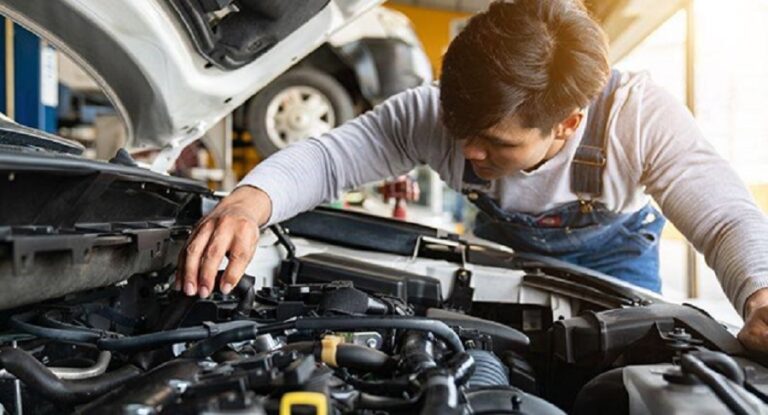
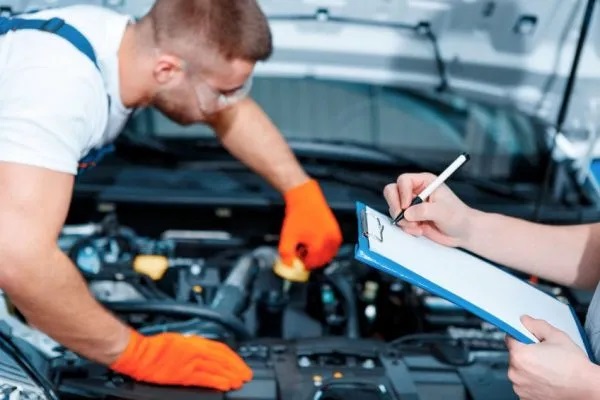
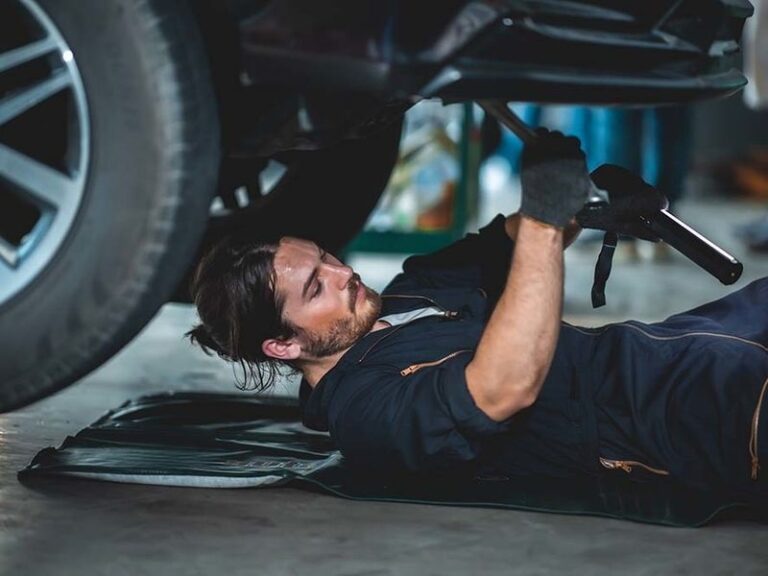
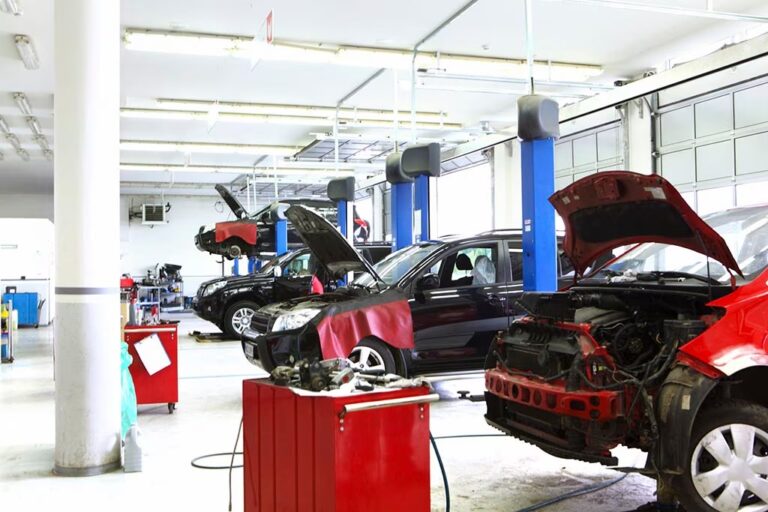
Maintaining the integrity of your car requires regular auto repair. Expert auto repair services guarantee you that any problems with the vehicle are quickly and effectively solved. Fixing your car can be a hard and time-consuming task. It will save your effort and time if you take it to an automobile repair shop.

Auto mechanics of Auto Repair in Burlington, KY are skilled at seeing issues early on and resolving them quickly. On the other hand, because you lack the expert level of understanding, DIY repair may take several days or weeks.

Not to add that your automobile can require specialised maintenance depending on what kind you drive. As a result, making sure your car is fixed correctly and operating correctly will be considerably harder.

Advantage of A Professional Service

Specialists in vehicle maintenance and holders of industry certifications make up a reputable auto repair shop. They have completed a number of examinations and evaluations to be certified to perform auto repairs, and they frequently have expertise dealing with a variety of automobile models.

Choosing an auto repair service also gives you access to the expertise of a garage regarding numerous technological advancements and control systems. A mechanic may offer guidance on other auto advancements you might want to install as well as the best auto repairs for your automobile. Here are the advantages:

  1. Cutting-Edge Equipment

You’re not likely to have the specialised tools required for auto repair if you’re not a mechanic yourself. Consequently, this problem can be resolved by hiring an auto repair agency, since they will have access to all the necessary instruments.

No matter how minor or serious your demands are for repairs, reputable garages have the cutting-edge tools necessary to handle a variety of vehicle problems. Hire an expert to fix your vehicle instead of spending money on equipment for a do-it-yourself work.

  1. Increased Fuel Efficiency

Your automobile will operate more fuel-efficiently the better tuned it is. Your mechanic should provide a thorough check at least once a year in addition to standard maintenance like tyre adjustments and oil changes. Your car’s engine will operate more efficiently when it is working as it should. There is no ignorance seen as using less fossil fuels is good or the environment.

Final Thoughts

Our team of highly skilled professionals is there to help you at the best Auto Repair in Burlington, KY. The store is known to be the best place to go for maintenance and repairs. Professional services are offered at a reasonable price and in a timely manner. Make an appointment or discover more by getting in touch with us right now. We hope to see you very soon!


Unexpected car repair costs can strain any budget. While regular maintenance helps, hidden expenses can still arise. Understanding these costs and how to manage them can prevent financial surprises. This guide explores common hidden costs and offers strategies to avoid them.

  • Understanding Diagnostic Fees

When a car problem arises, diagnostic tests are often the first step. These tests help identify issues but can come with a price tag. Many service centers charge diagnostic fees, which cover the use of specialized equipment and the technician’s time. To avoid unexpected charges, inquire about these fees upfront and ask if they will be applied to the repair cost if the work is done at the same facility.

  • Parts and Labor Costs

Parts and labor are significant components of repair bills. The cost of parts can vary widely depending on whether they are original equipment manufacturer (OEM) or aftermarket. OEM parts are typically more expensive but offer a guaranteed fit and performance. Labor costs depend on the complexity of the repair and the technician’s expertise.

  • Unplanned Maintenance

During routine services, mechanics may discover additional issues that need attention. While these findings can prevent future problems, they also add to the repair bill. It’s crucial to distinguish between urgent repairs and those that can be postponed. Getting a second opinion or asking for a breakdown of necessary versus recommended repairs can help prioritize spending.

  • Warranty and Insurance Exclusions

Many vehicle owners rely on warranties or insurance to cover repair costs. However, not all issues are covered. Understanding the terms of warranties and insurance policies is essential. Some policies exclude wear-and-tear items or have specific conditions for coverage.

  • Miscellaneous Charges

Small charges can add up quickly. Fees for shop supplies, hazardous waste disposal, or environmental charges are common. These costs, though often minor individually, can inflate the total bill. Asking for an itemized estimate before the work begins can reveal these hidden charges.

  • Scheduled Maintenance Missteps

Following the manufacturer’s maintenance schedule is vital for vehicle health, but some service centers may suggest additional services that are not required. Over-servicing can lead to unnecessary expenses. To avoid this, stick to the recommended maintenance schedule and consult the vehicle’s manual or a trusted mechanic for advice on essential services.

  • DIY Pitfalls

Attempting to save money by performing DIY repairs can sometimes lead to additional costs. Mistakes or improper repairs can cause more damage, resulting in higher repair bills later. It’s important to assess the complexity of the repair and one’s ability to perform it correctly.

  • Finding Reliable Repair Services

Choosing a reliable auto repair shop is crucial to avoiding hidden costs. Look for transparent pricing, detailed explanations of required repairs, and good customer reviews. For residents needing auto repair in Wheatridge, CO, finding a reputable local service provider can prevent unexpected expenses. Trusted shops provide honest assessments and avoid unnecessary charges.

 Conclusion

Hidden auto repair costs can be daunting, but understanding and managing them is possible. By being aware of diagnostic fees, parts and labor costs, and potential additional charges, vehicle owners can better navigate the repair process. Choosing a reputable repair service and maintaining regular vehicle care are key steps in preventing unexpected expenses.

Home car breakdown services offer a range of benefits that make dealing with vehicle issues more convenient and less stressful. Here are some of the advantages:

  1. Convenience: One of the primary benefits is convenience. With a home car breakdown service near me, help comes directly to you, whether you’re at home, at work, or elsewhere. This saves you the hassle of trying to arrange transportation to a repair shop or waiting for assistance on the roadside.
  2. Safety: Dealing with a car breakdown at home eliminates the safety concerns associated with being stranded on the side of the road, especially during adverse weather conditions or in unfamiliar areas. You can wait for assistance in the comfort and security of your own home.
  3. Quick Response: Home car breakdown services often provide fast response times, as they understand the urgency of getting you back on the road. This means you won’t have to wait long for help to arrive, minimizing the disruption to your day.
  4. Professional Assistance: These services typically send trained technicians who have the expertise and equipment to diagnose and fix a wide range of car issues. You can trust that your vehicle will be in capable hands.
  5. Comprehensive Coverage: Many home car breakdown services offer comprehensive coverage, including services such as towing, battery jump-starts, tire changes, fuel delivery, and lockout assistance. This ensures that you’re prepared for various types of emergencies.
  6. Peace of Mind: Knowing that you have a reliable breakdown service available gives you peace of mind while driving. You can enjoy your journeys with the confidence that help is just a phone call away if you encounter any problems.
  7. Contact Assistance: If you can’t resolve the issue on your own, contact a roadside assistance service or your car insurance provider’s breakdown service. Many providers offer home-based services where they can send a technician to your location.
  8. Communicate Clearly: Provide clear information about your location, the issue with your vehicle, and any relevant details to the service provider. This helps them dispatch appropriate assistance quickly.
  9. Customizable Plans: Some breakdown service providers offer customizable plans, allowing you to tailor the coverage to suit your specific needs and budget. Whether you need basic roadside assistance or more extensive coverage, there’s likely a plan that’s right for you.
  10. 24/7 Availability: Many home car breakdown services operate 24 hours a day, 7 days a week, so you can get assistance whenever you need it, even in the middle of the night or on weekends and holidays.
  11. Cost-Effective: While there may be a fee associated with subscribing to a breakdown service, it can ultimately be cost-effective compared to the expenses associated with arranging assistance independently or dealing with unexpected repair costs.
  12. Customer Support: In addition to roadside assistance, many breakdown service providers offer customer support to address any questions or concerns you may have about your vehicle or the services provided.

Overall, car services at home offer peace of mind, convenience, and reliable assistance when you need it most, making them a valuable investment for any driver.

Repair, maintenance, and care for your vehicle are crucial to ensure its long life. Many ways can help you do this job effectively to keep your vehicle in good condition.

If you are worried about how you can take care of your vehicle, this article is for you. In it, you will learn about how to repair, maintain, and care for your vehicle. Keep reading the article!

1. Maintenance and Repairs

Maintenance and repair of your vehicle is important to care for it. For the maintenance of your vehicle, you can make a schedule. In this schedule, you can consider the part of your vehicle that needs to be checked regularly to ensure the better condition of your vehicle.

In addition, repair of the damaged parts of your vehicle is an important thing to improve the overall life of your vehicle. If you notice any damage to any parts of your vehicle, you can consider the repair services.

For instance, if you notice that the hydraulic system of your vehicle is not working properly, you can choose quality hydraulic parts such as hydraulic hose and more to increase the safety of your vehicle.

It will help you enhance the performance of the hydraulic system of your vehicle, leading to increasing its life.

2. Tires

Tires are an important part of your vehicle that needs to be in good condition. When you go on a long drive in your vehicle with the damaged tires, it can cause a major accident, leading to the loss of your life.

On the other hand, if you check out the tires of your vehicle during a long journey, it can help you prevent major accidents.

In addition, if you notice that the tires of your vehicle are getting damaged, you can replace them immediately to ensure the long life of your vehicle. It can also help improve the performance of your vehicle engine by reducing the burden on it.

3. Modifications and Accessories

Modification and accessories are important to increase the aesthetic appeal of your vehicle. Your vehicle’s appearance is crucial to increase its value.

For instance, change the appearance of the exterior of your vehicle by repairing it. In addition, add some high quality seats in the interior of your car to increase its value and appearance. This way, you can take care of your vehicle and increase its beauty.

4. Driving Tips

Finally, the important tip to maintain and care for your vehicle is to ensure safe driving. When you are an expert driver, there is a high chance of a safe journey with your family.

Before driving your vehicle, it is important to get safe driving tips from an expert driver to keep your vehicle safe for a long time.

In addition, if you do not know how you can drive a vehicle, you can hire a driver to ensure the safety of your journey and vehicle. This way, you can keep your vehicle in good condition for many years to come.

Automobiles are now safer than they have ever been before as a result of advancements in safety features. The peace of mind that comes from upgrading the crash avoidance and driver aid systems in your vehicle can be a significant benefit. These are the most effective ways to improve the safety elements of your vehicle for both you and the passengers in your vehicle.

Frequent Maintenance Checks

Maintenance inspections are crucial to vehicle safety. Keep your suspension, tires, and brakes in good condition to avoid accidents. Regular inspections can detect issues before they become major, keeping your car safe and reliable.

Improve Your Brakes

Upgrading the braking system improves car safety. Install high-performance brake rotors and pads for heat dissipation and stopping force. Maintaining a working anti-lock braking system (ABS) may help you maintain control during emergency braking.

Advanced Driver Assistance Systems

Many new cars have ADAS, but you can install it. Automatic emergency braking, lane departure warning, and blind-spot monitoring are aftermarket options. Auto Repair Services in Downingtown, PA can install and make sure these systems work properly to improve your driving safety.

Increase Visibility

Improve visibility for safe driving. Replace headlight bulbs with LEDs or HIDs for better illumination. Cleaning mirrors and windows ensures good vision. Consider automatic dimming rear-view mirrors and rain-sensing wipers for safety and convenience.

Install a Dash Cam

Driving safety can be greatly improved with a dash cam. It keeps track of your travels for emergencies. Dash cams with collision detection and lane departure warnings increase security.

Tire Pressure Monitoring Systems

Correctly inflated tires are essential for car handling. A TPMS helps prevent blowouts and other tire issues by alerting you to significant tire pressure changes. TPMS is standard in many contemporary cars, but you can install an aftermarket system.

Software Updates Regularly

Cars with advanced electronics need regular software upgrades. Manufacturers often update cars to improve usefulness and security. These upgrades improve safety features and add new ones to optimize your car’s systems.

Install Parking Sensors and Cameras

Parking sensors and cameras improve limited space safety. Many cars now have rear-view cameras as standard, as well as side and front cameras. Parking sensors sound alerts as you approach barriers, reducing small crashes and improving safety.

Update Your Suspension

Vehicle stability and safety depend on suspension system maintenance. It affects vehicle braking, handling, and comfort. Check and replace worn suspension parts often, especially during emergency manoeuvres, to keep your automobile responsive and stable.

Conclusion

Upgrading systems, adding new technology, and performing routine maintenance increase car safety. Focusing on these areas and making your automobile safer will help you and your passengers drive safely. Adding ADAS, updating your vehicle’s software, or improving its braking system will make your car safer and more reliable.

Introduction

Your garage serves as more than just a space to park your car; it’s a functional extension of your home that requires attention and care. One of the most critical aspects of garage maintenance is ensuring the integrity of its concrete floor.

Over time, concrete floors can deteriorate due to various factors, including heavy use, temperature fluctuations, and moisture exposure. In this comprehensive guide, we’ll explore concrete garage floor repair and maintenance to enhance their longevity and aesthetic appeal.

Understanding the Importance of Concrete Floor Repair

A damaged or unrepaired garage floor not only becomes a cause of problem but also detracts from the overall look of your space. It also poses safety hazards and can lead to further issues if left untreated.

Cracks, spalling, and uneven surfaces can create tripping hazards, compromise vehicle stability, and allow moisture to seep into the concrete, exacerbating damage over time.

By addressing these issues promptly and effectively, you can ensure a safer and more durable garage environment for yourself and your family.

Assessment and Diagnosis

Before embarking on any repair efforts, it’s essential to conduct a thorough assessment of your garage floor’s condition. Take note of any visible cracks, pitting, or areas of unevenness, and consider factors such as the extent of damage and the underlying causes.

Common culprits include freeze-thaw cycles, heavy vehicle traffic, and inadequate drainage. By identifying the root cause of the problem, you can tailor your repair approach to achieve optimal results.

Effective Repair Techniques

Depending on the nature and severity of the damage, various repair techniques may be employed to restore your concrete garage floor. For minor cracks and surface imperfections, DIY patching solutions can provide a quick and cost-effective fix.

These typically involve cleaning the affected area, applying a concrete patching compound, and smoothing the surface with a trowel. However, for more extensive damage or structural issues, professional intervention may be necessary.

Concrete resurfacing, epoxy injections, and slab jacking are among the advanced techniques utilized by experienced contractors to repair and reinforce damaged garage floors.

Preventive Maintenance Practices

Once your garage floor has been repaired, implementing preventive maintenance measures is crucial to prolong its lifespan and prevent future damage. Consider applying a high-quality concrete sealer to protect the surface from moisture, oil stains, and abrasion. Regular cleaning and sweeping can help remove dirt and debris that can cause surface wear and deterioration over time. Additionally, be mindful of heavy loads and avoid using harsh chemicals or abrasive materials that could compromise the integrity of the concrete.

Conclusion

Transforming your garage into a functional and aesthetically pleasing space begins with effective concrete floor repair and maintenance.

By understanding the importance of timely intervention, conducting a thorough assessment of the damage, and employing appropriate repair techniques, you can revitalize your garage floor and enhance its durability.

From DIY patching solutions to professional resurfacing techniques, there are options available to suit every budget and need. With proactive preventive maintenance practices in place, you can enjoy a safer, more attractive garage environment for years to come.